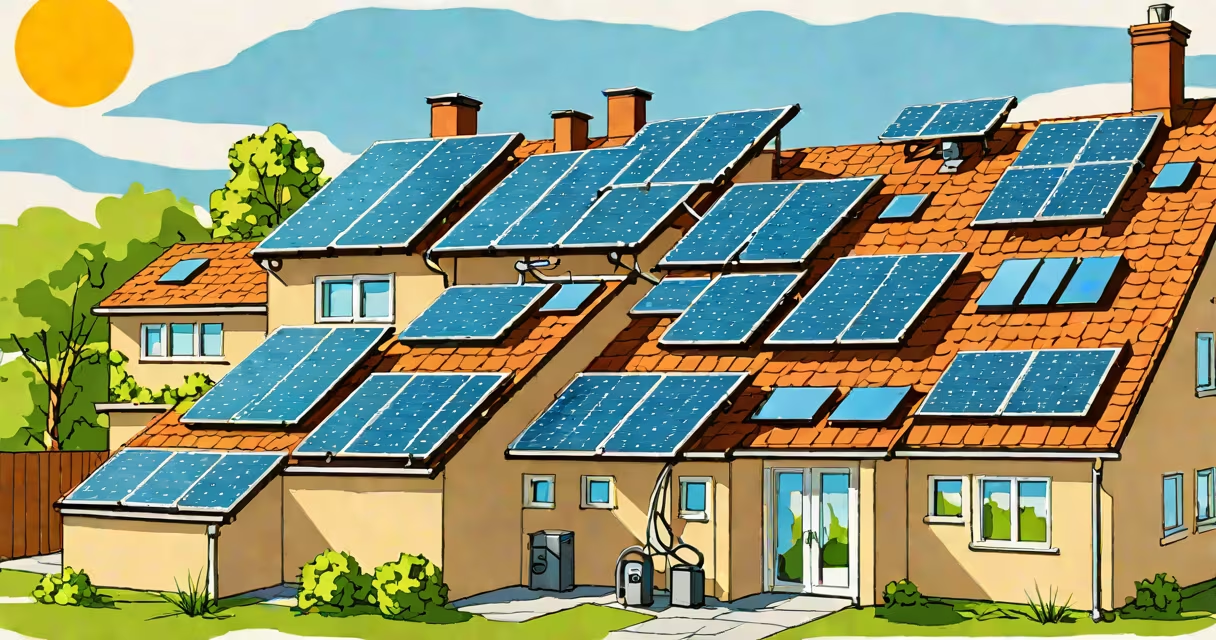
Different types of solar power systems convert sunlight into electricity using photovoltaic panels, inverters, and often batteries. They vary by connection to the utility grid, energy storage, and installation scale.
Solar power systems fall into three core categories: grid-tied, off-grid, and hybrid. Each serves distinct energy needs based on location, reliability expectations, and budget. Grid-tied systems connect to the public electric grid, allowing surplus power to be sold back. Off-grid systems operate independently, relying entirely on solar generation and battery storage. Hybrid systems combine both approaches, offering backup during outages and grid interaction when available.
The most common system type is grid-tied. These systems use solar panels to generate direct current (DC), which an inverter converts to alternating current (AC) for household use. Excess energy flows to the grid, earning credits through net metering. According to the U.S. Energy Information Administration, over 60% of residential solar installations in 2023 were grid-tied due to lower upfront costs and utility incentives.
Grid-tied systems require no batteries. During daylight, solar panels feed power directly into the home's electrical panel. When production exceeds demand, excess electricity travels to the grid via a bi-directional meter. At night or during low production, the home draws power from the grid. This setup reduces electricity bills and carbon emissions but offers no power during outages unless paired with a battery.
Off-grid systems function without any connection to the utility network. They depend on solar panels, charge controllers, deep-cycle batteries, and inverters. A charge controller regulates voltage from panels to prevent battery overcharging. Batteries store energy for use at night or during cloudy periods. These systems suit remote homes, cabins, or locations where grid access is unavailable or prohibitively expensive. Installing one requires careful load calculation and sufficient panel and battery capacity.
Hybrid systems blend grid-tied and off-grid features. They include solar panels, inverters, and batteries but remain connected to the grid. During normal operation, they behave like grid-tied systems, sending surplus power to the grid. When the grid fails, the system automatically isolates and powers critical loads using stored battery energy. This provides resilience during storms or blackouts. The National Renewable Energy Laboratory notes that hybrid systems have seen a 40% increase in adoption since 2020 due to rising grid instability in hurricane-prone regions.
All solar systems share core parts: solar panels, inverters, wiring, and mounting hardware. Panels convert sunlight into DC electricity. Inverters change DC into usable AC power. Mounting systems secure panels to rooftops or ground mounts. Additional components vary by system type.
Batteries are essential in off-grid and hybrid systems. Lithium iron phosphate (LiFePO4) batteries dominate new installations due to longer lifespan and better safety compared to older lead-acid models. A typical off-grid cabin might use 12 kWh of LiFePO4 storage, capable of powering lights, a refrigerator, and a small heater for 3-4 days without sun. In contrast, grid-tied systems rarely include batteries unless added later for backup.
| System Type | Grid Connection | Battery Required? | Best For | Typical Cost Range (2024) |
|---|---|---|---|---|
| Grid-tied | Yes | No | Urban homes, cost savings | $12,000-$18,000 |
| Off-grid | No | Yes | Remote cabins, rural properties | $30,000-$50,000 |
| Hybrid | Yes | Yes | Storm-prone areas, backup needs | $20,000-$35,000 |
A real-world example: a homeowner in rural Montana installed a 10 kW off-grid system with 20 solar panels, a 24 V lithium battery bank (16 kWh), and a 5 kW inverter. After calculating daily usage (8 kWh), they sized the system to handle three consecutive cloudy days. The system runs a well pump, heating, lighting, and a small fridge. Over five years, maintenance was minimal-just cleaning panels and checking battery voltages monthly.
Many assume off-grid systems are too expensive or unreliable. While initial costs are higher, federal tax credits cover 30% of system costs under the Inflation Reduction Act. The Department of Energy reports that off-grid systems now achieve 95% uptime in sunny climates with proper sizing.
Another error is equating "solar" with "photovoltaic." Solar thermal systems heat water using sunlight but do not generate electricity. They're used in domestic hot water heaters and industrial processes. Photovoltaic systems are the only ones classified as solar power systems in electricity generation.
Some believe hybrid systems are only for emergencies. In reality, they improve energy use. A hybrid system in California uses solar during peak hours to avoid high electricity rates, stores excess in batteries, and draws from the grid only when needed. This reduces demand charges and lowers energy costs by up to 45% annually.
I installed a 6 kW grid-tied system on my roof in 2021. The installer used monocrystalline panels rated at 400 W each. With a 5 kW inverter and a smart meter, the system produced 8,200 kWh in its first year-enough to offset 90% of my annual usage. Net metering returned $320 in credits. I did not need batteries, reducing the project cost by $6,000.
For those considering off-grid living, a 5 kW system with 12 kWh of battery storage can support a 1,200 sq ft cabin. Daily usage averages 15 kWh. With 5 hours of peak sun, 20 panels (400 W each) generate 40 kWh/day. This exceeds demand, allowing for buffer during low-light seasons. The system includes a charge controller and a 3 kW inverter to run a microwave, laptop, and LED lighting.
When choosing between system types, assess your location, energy needs, and risk tolerance. Grid-tied systems offer immediate savings. Off-grid systems provide independence. Hybrid systems balance both. Always consult a certified installer-certification from the North American Board of Certified Energy Practitioners (NABCEP) ensures compliance with NEC standards and safety protocols.