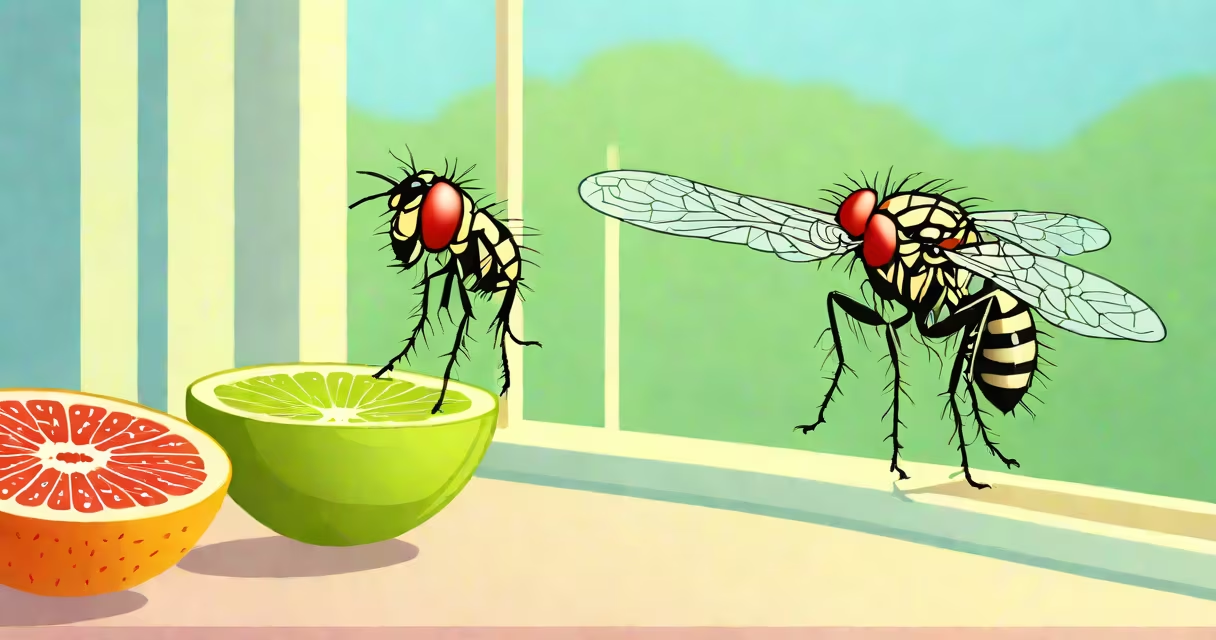
Flies enter homes primarily to find food, water, or shelter, especially during seasonal changes or in warm, humid conditions. They detect organic matter through scent and can squeeze through tiny gaps in screens, doors, and walls.
Houseflies, fruit flies, drain flies, and fungus gnats each have distinct reasons for invading indoor spaces. Their presence often signals a source of decay, moisture, or ripe produce. Understanding their triggers helps prevent recurring infestations.
According to the University of California Agriculture and Natural Resources, houseflies are attracted to decaying organic material, including garbage, pet waste, and compost. These insects carry pathogens such as Salmonella and E. coli, making their entry into kitchens and living areas a health concern.
Flies rely on sensory cues rather than sight to locate entry points. They detect air currents, temperature gradients, and chemical odors from food sources. A single fruit fly can sense fermenting fruit from up to 10 meters away.
Entry points include gaps around windows, door thresholds, vents, and cracks in baseboards. Even a 1.6 mm gap-about the width of a credit card-can allow fruit flies to pass through. Sealing these openings reduces indoor fly activity by up to 70%, according to the National Pest Management Association.
Flies also exploit human behavior. Leaving food out overnight, failing to clean spills promptly, or keeping trash bins uncovered creates ideal conditions. A study published in the Journal of Economic Entomology found that households with unsealed kitchen waste had 3.4 times more fly sightings than those with sealed containers.
Different fly species are drawn to specific indoor environments. Knowing which type you're dealing with determines effective control.
| Type | Preferred Entry Point | Attracted To | Typical Indoor Location |
|---|---|---|---|
| Housefly | Open doors, screen gaps | Decaying meat, manure, garbage | Kitchen, bathroom, near trash |
| Fruit fly | Cracks near sinks, drains | Fermenting fruit, wine, beer | Countertops, fruit bowls, sink drains |
| Drain fly | Plumbing vents, floor drains | Organic buildup in pipes | Bathrooms, basements, laundry rooms |
| Fungus gnat | Potted plant soil, wall cracks | Mold, damp soil, decaying roots | Indoor plants, near windows |
Each species reproduces rapidly under favorable conditions. Fruit flies lay up to 500 eggs in 10 days. Drain flies can complete a life cycle in 14 days when humidity exceeds 70%. These cycles explain sudden population surges.
A non-obvious fact: flies don't just enter homes-they may breed inside. Drain flies develop in gel-like biofilm inside plumbing traps. Even after cleaning, residual organic film supports future generations. This is why eliminating the breeding site is critical.
Many people confuse small black flies with mosquitoes or ants. However, flies differ in flight pattern, size, and behavior. Fruit flies hover near ripening bananas; drain flies crawl slowly and land on walls.
Another misconception is that all indoor flies are attracted to light. While some species are phototactic, others avoid it. Fungus gnats, for example, prefer dark, moist soil and rarely fly toward windows.
I once observed a persistent fly infestation in a client's basement. Initial attempts to vacuum and spray failed. After inspecting the sump pump pit, I found a thick layer of algae and debris. Removing the buildup eliminated the source. The flies vanished within five days. This case highlights that targeting the breeding ground-not just adult flies-is essential.
Effective fly management begins with sealing access points. Use weatherstripping on doors, repair torn screens, and caulk gaps around pipes and vents. A 2022 EPA report noted that homes with sealed entry points had 68% fewer fly complaints.
Food storage is important. Keep fruits in the refrigerator, store leftovers in airtight containers, and empty trash daily. Wipe down counters after meal prep. Even a single spilled drop of juice can attract fruit flies.
For drain flies, pour boiling water down drains weekly. Use enzymatic drain cleaners monthly to break down organic residue. Avoid chemical drain cleaners-they kill beneficial bacteria and can damage pipes.
When prevention fails, use targeted traps. Apple cider vinegar traps work well for fruit flies. Place a shallow dish with vinegar and a few drops of dish soap. The soap breaks surface tension, trapping flies that land to feed.
Never rely on bug bombs or aerosol sprays alone. They disperse chemicals unevenly and fail to eliminate breeding sites. Integrated pest management-combining sanitation, exclusion, and monitoring-is the most effective long-term solution.
Flies enter homes due to accessible food, moisture, and structural gaps. Identifying the species and its source stops infestations at the root. Ignoring the cause leads to repeated treatments and ongoing exposure to disease-carrying insects.