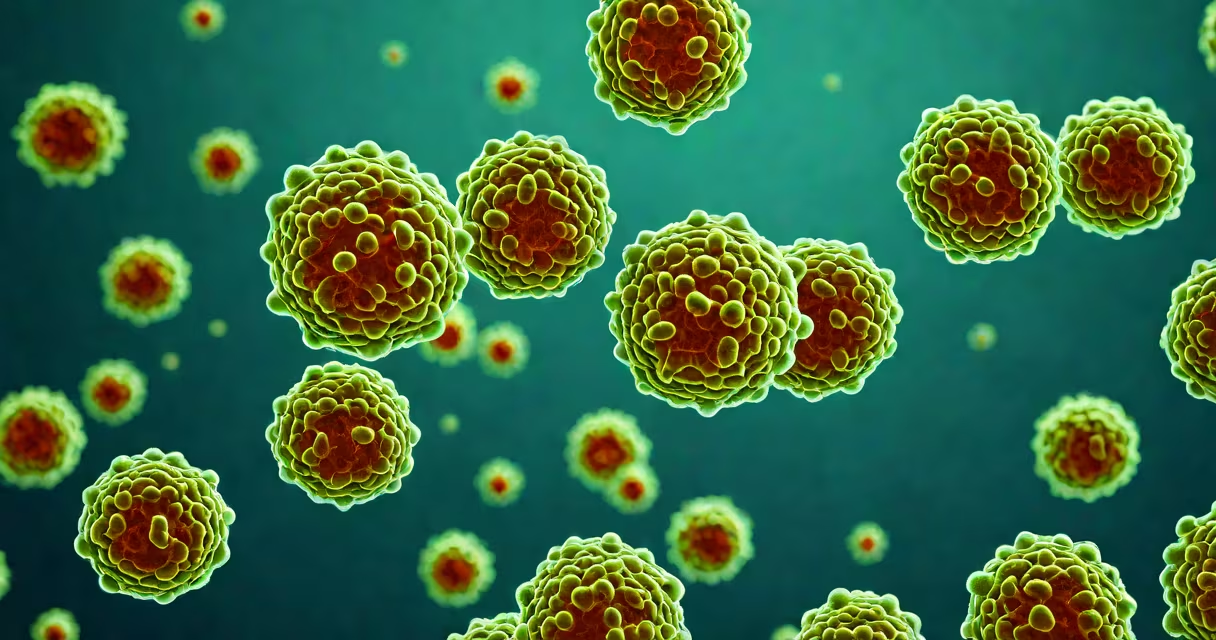
The bacteria of tuberculosis is Mycobacterium tuberculosis, a rod-shaped, acid-fast bacterium that causes tuberculosis (TB), a contagious respiratory illness affecting the lungs and other organs. It is transmitted through airborne droplets when an infected person coughs or speaks.
Mycobacterium tuberculosis belongs to the genus Mycobacterium, which includes other slow-growing, lipid-rich bacteria. Its cell wall contains high levels of mycolic acids, making it resistant to many common disinfectants and antibiotics. This structural feature explains why TB treatment requires multiple drugs over long durations.
According to the World Health Organization (WHO), M. tuberculosis is responsible for nearly 10 million new cases annually worldwide, with approximately 1.3 million deaths each year. The Centers for Disease Control and Prevention (CDC) confirms that untreated latent TB can progress to active disease in 5-10% of infected individuals over their lifetime.
When inhaled, M. tuberculosis particles reach the alveoli in the lungs. Macrophages attempt to engulf the bacteria, but M. tuberculosis can survive and replicate inside these immune cells by inhibiting phagolysosome fusion. This allows it to persist in a dormant state for years.
Latent TB infection occurs when the immune system contains the bacteria but cannot eliminate it. Active TB develops when the bacteria reactivate due to weakened immunity, such as during HIV co-infection or immunosuppressive therapy. A 2022 study published in *Nature Microbiology* showed that M. tuberculosis can manipulate host cell metabolism to maintain its intracellular niche.
Active TB typically presents with persistent cough lasting more than three weeks, hemoptysis (coughing up blood), night sweats, weight loss, and fever. Without treatment, the mortality rate exceeds 50% within five years.
M. tuberculosis is a non-motile, aerobic bacillus measuring 0.2-0.5 micrometers in width and 1.0-4.0 micrometers in length. Its thick, waxy cell wall-rich in mycolic acids, glycolipids, and complex polysaccharides-confers resistance to drying, heat, and many antimicrobial agents.
The acid-fast staining property arises from this lipid-rich wall. When stained with carbol fuchsin, the bacteria retain the red dye even after acid-alcohol decolorization, appearing as bright red rods under the microscope. This technique remains a standard diagnostic tool in low-resource settings.
| Feature | Description |
|---|---|
| Shape | Rod-shaped (bacillus) |
| Growth Rate | Slow; doubling time ~15-20 hours |
| Staining | Acid-fast positive (Ziehl-Neelsen stain) |
| Environmental Resistance | Survives months in dry sputum; resistant to UV light and desiccation |
A non-obvious fact: M. tuberculosis can remain viable in dried sputum for up to six months. This persistence contributes to transmission in crowded, poorly ventilated environments like shelters and prisons.
Tuberculosis spreads via aerosolized droplets released when an infected person coughs, sneezes, or talks. An individual with active pulmonary TB can infect 10-15 people per year in close contact settings.
Transmission requires prolonged exposure-typically more than 10 hours in enclosed spaces. Brief encounters, such as passing someone on a street, pose negligible risk. The WHO estimates that one-third of the global population has latent TB infection, though most never develop symptoms.
High-burden countries include India, Indonesia, China, the Philippines, and South Africa. In 2023, India reported over 2.6 million TB cases, accounting for nearly 25% of the global total. Drug-resistant forms-especially multidrug-resistant TB (MDR-TB)-pose major challenges, requiring treatment regimens lasting 9-12 months with second-line drugs.
M. tuberculosis is often confused with other mycobacteria, such as Mycobacterium avium complex (MAC), which causes lung infections primarily in immunocompromised patients. Unlike M. tuberculosis, MAC is not typically transmitted person-to-person and grows faster in culture.
Another common confusion is with nontuberculous mycobacteria (NTM), which are environmental organisms found in soil and water. NTM infections mimic TB clinically but do not respond to standard anti-TB drugs. Proper identification requires molecular testing like PCR or sequencing.
I once observed a misdiagnosis in a clinic in Nairobi where a patient with chronic cough was initially treated for TB based on a positive acid-fast smear. Further testing revealed MAC infection. The patient worsened until switched to macrolide-based therapy. This case highlights the importance of species-specific diagnostics.
Standard first-line treatment for drug-susceptible TB involves four antibiotics: isoniazid, rifampin, pyrazinamide, and ethambutol, taken daily for two months (intensive phase), followed by isoniazid and rifampin for four more months (continuation phase).
Treatment duration averages six months. Failure to complete the course leads to drug resistance. Mutations in genes like *rpoB* (for rifampin), *katG* (for isoniazid), and *embB* (for ethambutol) confer resistance. Whole-genome sequencing is now used to detect these mutations rapidly.
Drug-resistant TB is harder to treat. MDR-TB resists both isoniazid and rifampin. Extensively drug-resistant TB (XDR-TB) adds resistance to fluoroquinolones and injectable agents. WHO recommends bedaquiline and pretomanid for XDR-TB, though access remains limited in low-income nations.
Understanding M. tuberculosis as a resilient, slow-growing pathogen with complex immune evasion mechanisms clarifies why TB remains a leading infectious disease killer despite available treatments. Its persistence in human populations underscores the need for improved diagnostics, shorter therapies, and better public health infrastructure.