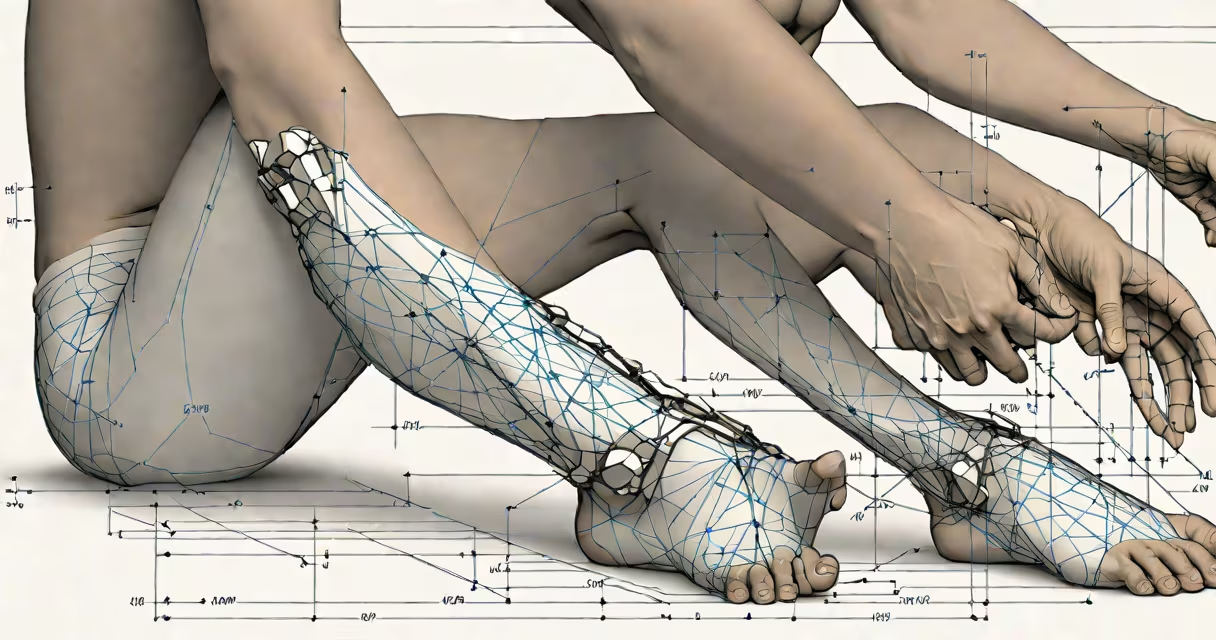
Hamstring pain results from strain, overuse, or injury to the group of muscles at the back of the thigh that control knee bending and hip extension. This pain typically appears during physical activity or after sudden movements like sprinting or jumping.
The hamstrings consist of three muscles: the semitendinosus, semimembranosus, and biceps femoris. These muscles work together to stabilize the knee and move the leg backward. When overstretched or overloaded, they develop micro-tears or full tears, leading to sharp or dull pain behind the thigh. Common triggers include sudden acceleration, improper warm-up, or repetitive bending motions.
According to the American Academy of Orthopaedic Surgeons (AAOS), hamstring strains account for 15-20% of all sports injuries among athletes. Most cases occur during high-speed running or explosive movements. Pain may start subtly during activity and worsen afterward, especially when walking uphill or rising from a seated position.
Pain begins when muscle fibers exceed their elastic limit. The body responds with inflammation, swelling, and protective muscle spasms. This leads to stiffness and reduced range of motion. The severity depends on the degree of tissue damage, classified as Grade 1 (mild strain), Grade 2 (partial tear), or Grade 3 (complete rupture).
A 2021 study published in the British Journal of Sports Medicine found that 68% of hamstring injuries in runners occurred during the late swing phase of running-when the leg is moving forward and the hamstring contracts to decelerate the lower leg. This explains why pain often strikes mid-stride rather than at the start of movement.
Over time, untreated strain can lead to chronic tightness or recurrent injury. Without proper rest and rehabilitation, scar tissue forms, reducing elasticity and increasing vulnerability to future strain. Early recognition prevents long-term complications.
Most hamstring pain arises from mechanical stress. Sudden sprints, kicking a ball, or lifting heavy objects with bent knees overload the muscles. Poor flexibility, weak glutes, or imbalanced quadriceps-to-hamstring strength ratios increase risk. A 2019 review in the Journal of Science and Medicine in Sport linked a 2:1 ratio of quadriceps to hamstring strength with higher injury rates.
Non-athletic causes include prolonged sitting, which shortens the muscle over time, and poor posture during standing or walking. Even everyday tasks like reaching for something on a high shelf can trigger pain if the muscle is already fatigued.
One overlooked factor is nerve entrapment. Sciatica or piriformis syndrome can mimic hamstring pain by compressing nerves that run through the buttock and down the back of the leg. True hamstring strain affects the muscle itself, while nerve-related pain often radiates below the knee or into the foot.
Differentiating between normal soreness and actual injury is critical. Muscle soreness after exercise typically resolves within 48 hours. Persistent pain lasting more than three days, especially with swelling or bruising, signals a strain.
Key symptoms include:
If you feel a "pop" at the time of injury, especially near the sit bone, it may indicate a significant tear. Immediate medical evaluation is needed. The National Institute of Arthritis and Musculoskeletal and Skin Diseases (NIAMS) recommends imaging (MRI or ultrasound) for suspected Grade 2 or 3 injuries.
Initial treatment follows the RICE protocol: Rest, Ice, Compression, and Elevation. Apply ice for 15-20 minutes every 2-3 hours during the first 48 hours. Avoid heat, NSAIDs, or massage during acute phases-these can increase bleeding and swelling.
After 48 hours, gentle stretching and light strengthening exercises improve circulation and prevent stiffness. A 2020 clinical trial showed that patients who began controlled eccentric training (slow lowering of the leg) within 72 hours recovered 30% faster than those who waited longer.
For mild strains (Grade 1), return to activity typically takes 1-2 weeks. Grade 2 injuries require 4-6 weeks of rehab. Grade 3 tears may need surgery and up to 3 months of physical therapy. Rushing back increases recurrence risk-up to 30% in athletes returning too soon, per AAOS data.
See a healthcare provider if pain persists beyond 7 days, worsens despite rest, or limits daily function. Imaging may be necessary to rule out tendonitis, stress fractures, or referred pain from the spine.
I once treated a runner who ignored mild hamstring discomfort for two weeks. By the time he sought care, the strain had progressed to a partial tear. He missed three months of training. Early intervention avoids such setbacks.
Changing warm-ups before activity reduce injury risk by 40%, according to a 2022 meta-analysis in Sports Health. Include leg swings, walking lunges, and high knees for 5-10 minutes.
Strengthening the hamstrings with deadlifts, Nordic curls, and resistance band rows improves resilience. Perform these twice weekly with proper form. Stretching post-exercise maintains flexibility-focus on seated toe touches and supine leg lifts.
Wearing supportive footwear and avoiding sudden changes in intensity or terrain also helps. Runners should not increase weekly mileage by more than 10% to prevent cumulative strain.
Many assume hamstring pain is due to "tight muscles." While tightness contributes, it's often a symptom, not the root cause. Underlying weakness, poor biomechanics, or nerve issues are more likely culprits.
Another myth is that stretching after a workout prevents injury. Research shows static stretching post-exercise offers little protection against strain. Changing warm-ups before activity are far more effective.
Finally, some believe pain means "muscle is healing." That's false. Pain indicates ongoing damage. Continuing activity worsens the injury and delays recovery.
| Injury Level | Symptoms | Recovery Time | Treatment Focus |
|---|---|---|---|
| Grade 1 (Mild) | Mild tenderness, minimal swelling | 1-2 weeks | Rest, ice, gentle stretching |
| Grade 2 (Moderate) | Sharp pain, bruising, difficulty walking | 4-6 weeks | Physical therapy, gradual loading |
| Grade 3 (Severe) | "Pop" sensation, inability to bear weight | 3+ months | Surgical repair, rehab program |
Recovery hinges on accurate diagnosis and patient compliance. Stop activity at the first sign of pain. Use cold therapy early. Begin rehab only when pain-free. Return to sport gradually. Prevention is more effective than treatment.