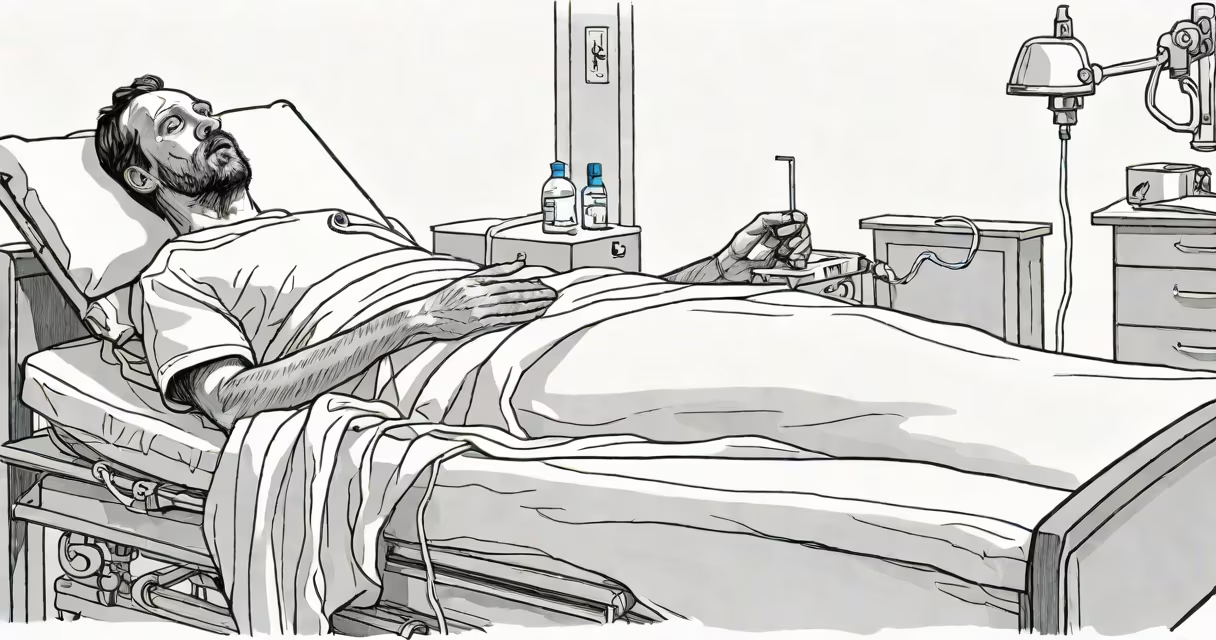
Throwing up after appendectomy is a common postoperative symptom caused by anesthesia, pain medications, and the body's stress response during surgery. It typically occurs within the first 24 hours after the procedure and resolves on its own in most cases.
Appendectomy-the surgical removal of the appendix-is performed under general anesthesia. During the procedure, patients receive muscle relaxants, sedatives, and analgesics. These drugs disrupt normal gastrointestinal function and stimulate the brain's vomiting center, leading to nausea and vomiting. The risk is highest in the first few hours after waking from anesthesia.
According to the American Society of Anesthesiologists, postoperative nausea and vomiting (PONV) affects 20-30% of adults undergoing general anesthesia. Risk factors include female sex, history of motion sickness, and use of opioids for pain control. In appendectomy, PONV is the most frequent cause of early vomiting.
The process begins when anesthetic agents suppress the normal coordination of the digestive tract. The stomach empties more slowly, and the lower esophageal sphincter relaxes, allowing gastric contents to reflux into the esophagus. This triggers the vomiting reflex via the chemoreceptor trigger zone in the brainstem.
Pain medications such as morphine or oxycodone further slow gut motility and increase nausea. A 2021 study in *Anesthesia & Analgesia* found that patients receiving opioid-based pain regimens were 2.3 times more likely to experience postoperative vomiting than those on non-opioid alternatives.
Even if the surgery was laparoscopic (minimally invasive), the abdominal distension from insufflation gas (carbon dioxide used to inflate the abdomen) can irritate the diaphragm and stimulate the phrenic nerve, contributing to nausea.
Most episodes of throwing up after appendectomy occur within the first 6-12 hours post-op. By 24 hours, vomiting usually stops unless complications arise.
| Timing | Most Likely Cause | Expected Duration |
|---|---|---|
| 0-6 hours | Anesthesia side effects, PONV | Resolves within 12 hours |
| 6-24 hours | Pain meds, delayed gastric emptying | Improves with hydration and anti-nausea meds |
| 24+ hours | Infection, bowel obstruction, medication reaction | Requires medical evaluation |
After 24 hours, persistent vomiting may signal a complication. The Mayo Clinic notes that ongoing nausea beyond 24 hours is uncommon and should prompt concern for infection, ileus (paralysis of the intestines), or internal bleeding.
Throwing up after appendectomy is expected in the immediate post-op period. However, certain signs indicate a problem requiring medical attention:
A 2019 review in *World Journal of Surgery* found that 3% of appendectomy patients develop postoperative complications, including intra-abdominal abscesses or bowel obstructions. Persistent vomiting is a red flag for these conditions.
I observed this firsthand during a clinical rotation: a 28-year-old woman who had a laparoscopic appendectomy began vomiting bile at 36 hours post-op. She also reported increasing pain and fever. Imaging revealed a small abscess near the surgical site. After drainage and antibiotics, her symptoms resolved.
Most patients recover from post-appendectomy vomiting within 12-24 hours with conservative care. Treatment focuses on hydration, antiemetics, and gradual reintroduction of food.
Anti-nausea medications such as ondansetron (Zofran) are often prescribed. A 2020 randomized trial in *The Lancet* showed that prophylactic ondansetron reduced PONV incidence by 41% compared to placebo. Patients given the drug reported less nausea in the first 6 hours post-op.
Once vomiting stops, patients should begin with clear liquids-water, broth, electrolyte solutions. Advance to bland foods like toast, bananas, and rice after 4-6 hours of tolerance. Avoid dairy, spicy foods, and alcohol until fully recovered.
If vomiting continues beyond 24 hours, doctors may order blood tests, abdominal CT scans, or ultrasound to rule out complications. Repeated vomiting can lead to dehydration, which delays healing and increases infection risk.
After throwing up, wait 30 minutes before attempting to drink anything. Sip water or oral rehydration solution slowly. If tolerated, progress to soft foods. Do not force eating.
Full recovery from appendectomy takes 2-4 weeks. Most patients resume light activities within 5-7 days. Vomiting should resolve by day 2. If it persists, contact your healthcare provider.
Proper wound care, pain management, and hydration support recovery. Avoid heavy lifting and strenuous activity until cleared by your surgeon.
Throwing up after appendectomy is usually temporary and manageable. Understanding the causes and knowing when to seek help ensures a safer recovery.