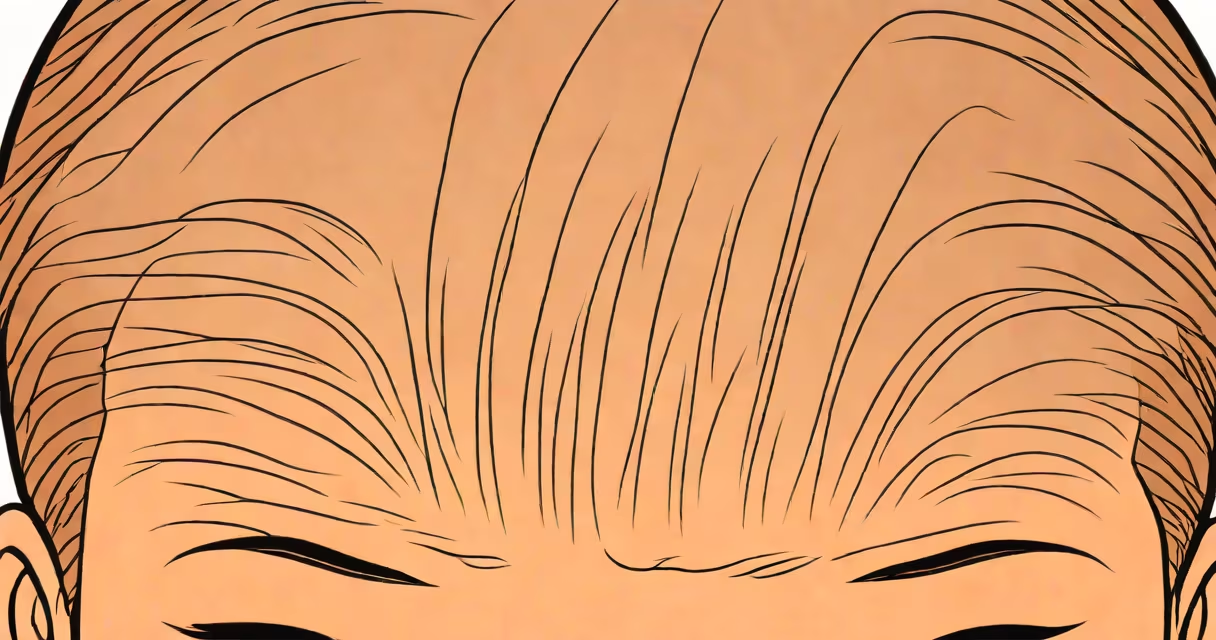
Non scarring hair loss occurs when hair falls out due to temporary disruptions in the growth cycle, without destroying the hair follicle or leaving permanent scars. This condition allows regrowth once the underlying cause is addressed. It accounts for over 90% of adult hair loss cases, according to the American Academy of Dermatology.
Unlike scarring alopecia, which damages follicles and prevents regrowth, non scarring hair loss involves reversible changes in the hair cycle. The follicles remain intact and capable of producing new hair. Common triggers include hormonal shifts, stress, nutrient deficiencies, medications, and autoimmune responses. Identifying the root cause is essential for effective management.
Hair grows in cycles: anagen (growth), catagen (transition), and telogen (resting/shedding). Normally, 85-90% of scalp hairs are in the anagen phase. In non scarring hair loss, external or internal factors push too many follicles into the telogen phase prematurely. This leads to increased shedding, often noticed during washing or brushing.
When the trigger resolves-such as after childbirth, recovery from illness, or stopping a medication-the follicles return to anagen. Regrowth typically begins within 3-6 months. The process is not instantaneous, but it is predictable and reversible in most cases.
A 2021 study published in the Journal of the American Academy of Dermatology found that 72% of patients with telogen effluvium experienced significant regrowth within six months of identifying and treating the underlying cause.
Several distinct forms of non scarring hair loss exist, each with unique triggers and patterns:
| Type | Trigger | Pattern | Recovery Time |
|---|---|---|---|
| Telogen effluvium | Stress, surgery, childbirth, crash dieting | Diffuse thinning across the scalp | 3-6 months |
| Androgenetic alopecia | Genetics, DHT sensitivity | Receding hairline, crown thinning | Chronic; treatable but not always reversible |
| Alopecia areata | Autoimmune response | Round patches of complete hair loss | Variable; spontaneous remission in 30-50% |
Androgenetic alopecia, the most common form, affects approximately 50 million adults in the U.S., per the National Institute of Health. It results from genetic sensitivity to dihydrotestosterone (DHT), which shrinks follicles over time. While it progresses slowly, early intervention with FDA-approved treatments like minoxidil or finasteride can slow or reverse thinning.
Alopecia areata occurs when the immune system attacks hair follicles. It presents as sudden, well-defined bald patches. Though unpredictable, about half of patients see spontaneous regrowth within a year, according to the National Alopecia Areata Foundation.
Many assume all hair loss is permanent or linked to aging. That's false. Non scarring hair loss is often temporary and treatable. A key distinction lies in the presence of scarring: if the scalp appears smooth, shiny, or pitted, it may indicate scarring alopecia. Non scarring types leave the skin texture unchanged.
Another frequent error is attributing hair loss solely to poor hygiene or shampoo choice. These do not cause non scarring hair loss. However, excessive heat styling or tight hairstyles can contribute to traction alopecia-a form of non scarring loss that results from mechanical stress, not biology.
One non-obvious fact: telogen effluvium can manifest up to four months after the triggering event. A patient who lost hair after a car accident may not notice shedding until weeks later, because the hair cycle delay means the follicles shed only after the stress period passed.
After childbirth, many women experience dramatic hair shedding between 2-4 months post-delivery. This is telogen effluvium triggered by hormonal shifts. Estrogen levels drop sharply after delivery, pushing follicles into resting phase.
For example, a 32-year-old woman reported losing 150 hairs daily during her third month postpartum. She had no family history of baldness. Blood tests ruled out thyroid issues and iron deficiency. Her dermatologist diagnosed postpartum telogen effluvium. Within five months, her hair density returned to baseline after she resumed a balanced diet and reduced stress.
This case illustrates that non scarring hair loss is often self-resolving. Treatment focuses on removing triggers, not aggressive therapy.
If hair loss persists beyond six months, spreads rapidly, or causes emotional distress, consult a dermatologist. Early diagnosis improves outcomes. For instance, alopecia areata responds better to treatment when started early. Topical immunotherapy or steroid injections can stimulate regrowth.
Some medications cause non scarring hair loss. Amitriptyline, an antidepressant, is associated with telogen effluvium in up to 10% of users, per the FDA's adverse event database. If you suspect your medication is causing hair loss, discuss alternatives with your doctor before discontinuing.
Non scarring hair loss is not a single disease but a category of conditions sharing reversibility and lack of follicular destruction. It includes telogen effluvium, androgenetic alopecia, and alopecia areata. Most cases resolve with time, lifestyle adjustments, or targeted treatment.
Understanding the difference between scarring and non scarring types prevents unnecessary anxiety and guides appropriate action. If you're experiencing hair shedding, focus on identifying triggers-stress, diet, medication, or health changes-rather than assuming permanence.
With proper evaluation, nearly all cases of non scarring hair loss can be managed effectively. Early recognition and intervention improve outcomes.