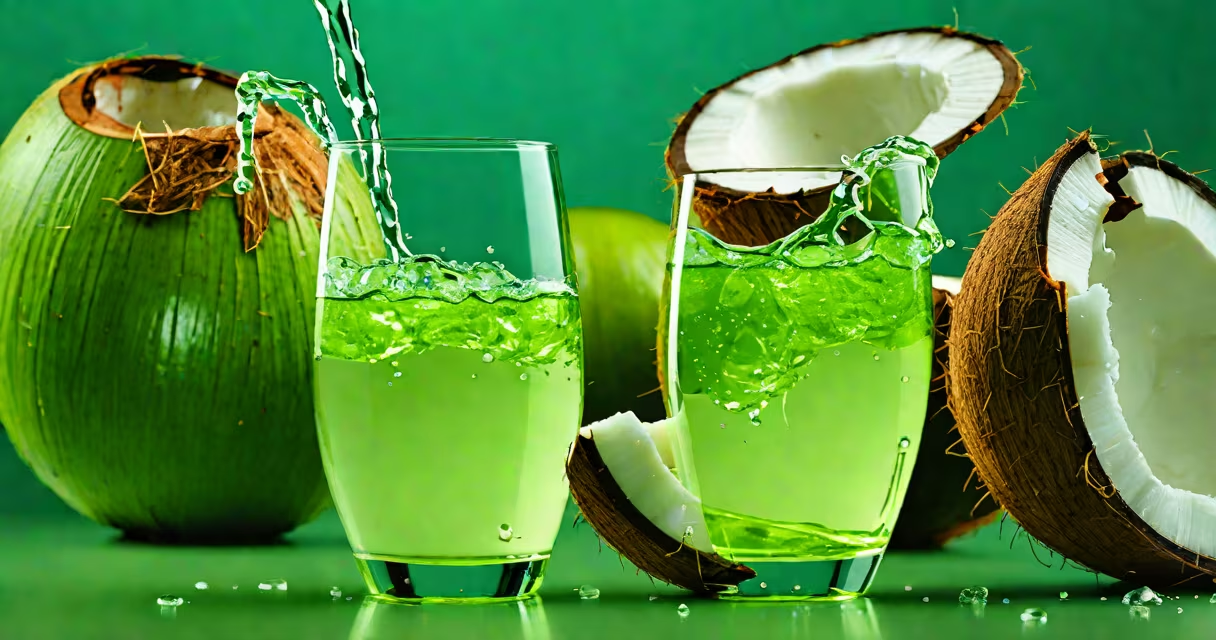
Coconut water is a naturally occurring, low-calorie beverage found inside young green coconuts. It contains electrolytes like potassium, sodium, and magnesium, making it effective for hydration and replenishing fluids lost during physical activity. Its isotonic composition closely mirrors human plasma, supporting rapid fluid absorption.
Unlike sugary sports drinks, coconut water delivers hydration with minimal added sugars and no artificial ingredients. It's consumed fresh or packaged, often marketed as a natural alternative to synthetic electrolyte solutions. The beverage is especially valued for post-exercise recovery, morning hydration, and digestive support.
When you sweat, you lose water and electrolytes-primarily sodium and potassium. Coconut water replaces these at a ratio similar to that found in blood plasma. A 2012 study published in the Journal of Medicinal Food found that coconut water was as effective as commercial sports drinks in restoring hydration after moderate exercise, with less sugar and fewer additives.
The primary electrolytes in coconut water are potassium (around 600 mg per cup) and sodium (about 250 mg). These minerals regulate nerve function, muscle contractions, and fluid balance. Potassium levels in coconut water exceed those in bananas by nearly 20%, making it a potent natural source of this essential nutrient.
Coconut water also contains small amounts of calcium, magnesium, and vitamin C. While not a significant source of vitamins, the combination of micronutrients supports metabolic processes involved in energy production and immune function.
Coconut water is the clear, naturally filtered liquid inside young, green coconuts (typically harvested between 6-8 months after pollination). As the coconut matures, the water turns into solid coconut meat, reducing the liquid content. Only immature coconuts yield the high-volume, low-sugar water used commercially.
Commercial coconut water is typically pasteurized to extend shelf life and prevent spoilage. Some brands add flavorings or fortify with additional nutrients. However, pure coconut water contains no added sugar, preservatives, or artificial colors.
| Type | Potassium (mg/cup) | Sodium (mg/cup) | Sugar (g/cup) | Calories |
|---|---|---|---|---|
| Fresh coconut water (raw) | 600 | 250 | 9 | 45 |
| Branded bottled (e.g., Vita Coco) | 500 | 200 | 10 | 45 |
| Flavored versions (e.g., Bai) | 450 | 180 | 12 | 50 |
Raw coconut water from young coconuts tends to have higher nutrient density than processed versions. Bottled products may undergo heat treatment that reduces some enzymes and vitamin C content. Always check labels for added sugars or syrups.
Coconut water is widely consumed in tropical regions such as the Philippines, India, and Brazil, where coconuts grow abundantly. Historically, it was used as a rehydration solution during dehydration caused by illness or heat exposure.
In clinical settings, coconut water has been studied as a potential oral rehydration therapy. A 2014 trial in the Indian Journal of Medical Research showed that coconut water was effective in treating mild to moderate dehydration in children, comparable to WHO-recommended oral rehydration salts (ORS).
For athletes, coconut water serves as a natural alternative to commercial sports drinks. A 2014 study in the journal Journal of the International Society of Sports Nutrition found that participants who drank coconut water after cycling experienced faster recovery of hydration status and lower perceived exertion compared to those who drank plain water.
Many assume coconut water is a weight-loss miracle drink. While it's low in calories, it contains natural sugars. Drinking large quantities daily can contribute to excess calorie intake. One cup provides about 9 grams of sugar-similar to a small apple-but without fiber to slow absorption.
Another myth is that coconut water is universally safe for everyone. In reality, people with kidney disease should limit intake due to high potassium levels. Excess potassium can lead to hyperkalemia, which affects heart rhythm. The American Kidney Fund warns against excessive consumption of high-potassium beverages for individuals on dialysis or with chronic kidney disease.
A lesser-known fact: coconut water contains cytokinins, plant hormones linked to anti-aging effects in lab studies. These compounds have shown antioxidant properties and may inhibit cell aging in vitro. However, human evidence remains limited, and no clinical trials confirm anti-aging benefits in people.
Consider a 30-minute outdoor run in 85°F weather. You sweat heavily and feel fatigued. After finishing, you drink one cup (8 oz) of chilled coconut water. Within 20 minutes, your heart rate stabilizes, and muscle cramps subside.
Your body absorbs the fluid quickly due to the isotonic nature of coconut water. The potassium helps restore neuromuscular function, while the sodium prevents hyponatremia-a condition caused by diluted blood sodium during prolonged activity. This effect is well-documented in endurance athletes.
After two hours, your hydration markers return to baseline. Compared to drinking plain water, coconut water leads to faster restoration of electrolyte balance. This makes it ideal for workouts lasting longer than 45 minutes, especially in hot climates.
Coconut water is not a substitute for medical treatment. It cannot replace intravenous fluids in cases of severe dehydration, vomiting, or diarrhea. For patients with acute illness, oral rehydration solutions remain the gold standard.
It also doesn't provide protein or complex carbohydrates needed for muscle repair. Athletes requiring recovery nutrition should pair coconut water with a protein-rich snack like a banana or Greek yogurt.
Some people report bloating or gas after consuming coconut water. This occurs because the natural sugars (mainly sucrose and fructose) can ferment in the gut if not fully absorbed. A 2017 study in Nutrition Journal noted that individuals with fructose malabsorption experienced increased flatulence and abdominal discomfort after drinking 12 oz of coconut water.
Coconut water outperforms plain water in electrolyte replacement but falls short of specialized sports drinks in sodium content. For example, Gatorade contains around 110 mg of sodium per 8 oz, while coconut water averages 250 mg. This higher sodium content makes coconut water better suited for intense or prolonged activity.
However, coconut water lacks the carbohydrate concentration found in most sports drinks. A typical sports drink provides 14-20 grams of carbs per 8 oz to fuel prolonged exertion. Coconut water offers only 9 grams-enough for light to moderate activity but insufficient for endurance events lasting over 90 minutes.
For optimal performance, combine coconut water with a carb-rich food. A runner completing a marathon might drink coconut water during the event and eat a banana afterward to maintain glycogen stores.
What is coconut water good for? It's effective for hydration, electrolyte replenishment, and mild recovery after physical activity. It's a natural, low-sugar alternative to commercial sports drinks and can support digestive health in moderation.
Its benefits are real but context-specific. It's not a cure-all, nor is it suitable for everyone. People with kidney issues, fructose intolerance, or high potassium levels should monitor intake. For most healthy adults, one to two cups daily offer hydration and nutritional value without risk.