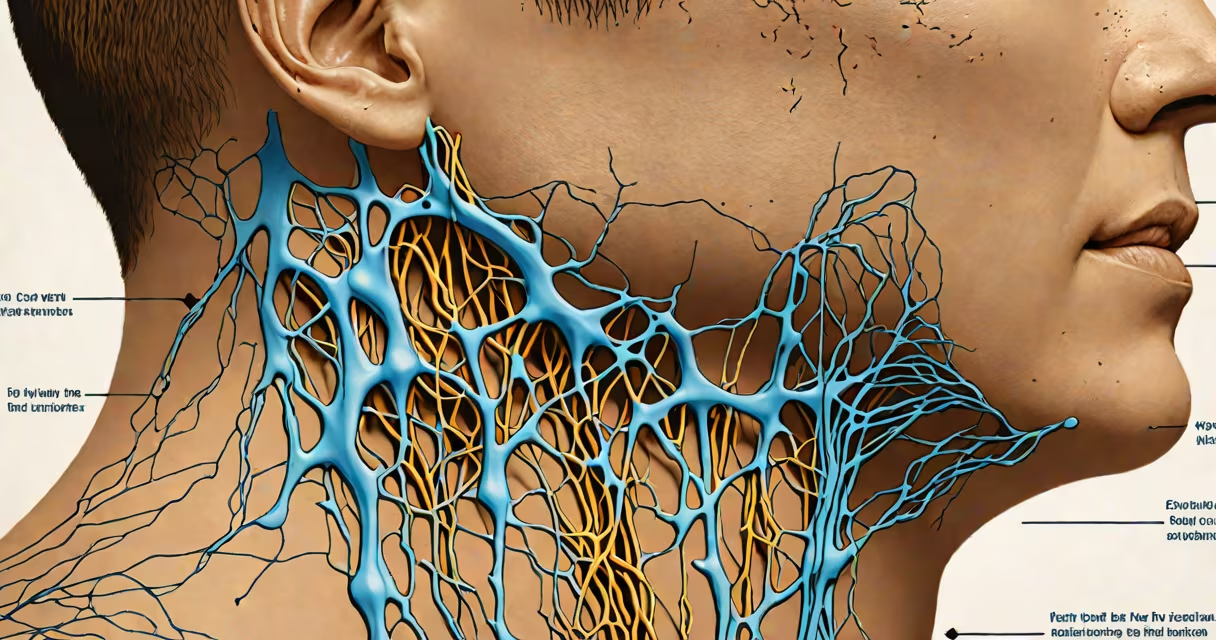
Brown fat activation is the process by which specialized fat cells called brown adipocytes generate heat by burning stored triglycerides, primarily triggered by cold exposure. This thermogenic activity is driven by the uncoupling protein 1 (UCP1), which dissipates energy as heat instead of storing it as ATP. Unlike white fat, which stores energy, brown fat actively consumes calories to maintain body temperature.
Human brown adipose tissue (BAT) was long believed to disappear after infancy, but modern imaging techniques have confirmed its presence in adults, particularly in the supraclavicular and paravertebral regions. When activated, BAT increases whole-body energy expenditure by up to 15%, according to a 2016 study published in *The Journal of Clinical Investigation*. This metabolic effect makes brown fat activation a focus in obesity and insulin resistance research.
Activation occurs when sympathetic nervous system signals release norepinephrine, which binds to beta-3 adrenergic receptors on brown adipocytes. This initiates a cascade leading to UCP1 expression and mitochondrial uncoupling. Cold exposure at 16-19°C for 2 hours daily over several weeks has been shown to increase BAT volume and activity in healthy adults, per a 2019 clinical trial from the University of Turku.
When exposed to cold, the hypothalamus detects lowered skin temperature and activates the sympathetic nervous system. Norepinephrine released into the bloodstream binds to beta-3 adrenergic receptors on brown adipocytes. This triggers lipolysis-the breakdown of triglycerides into free fatty acids-which then serve as fuel for mitochondria.
Inside mitochondria, UCP1 protein uncouples oxidative phosphorylation. Instead of producing ATP, electrons flow through the electron transport chain, releasing energy as heat. This process is known as non-shivering thermogenesis. A single gram of active brown fat can burn up to 300 kilocalories per day, though total BAT mass in adults averages 10-20 grams.
A 2021 study in *Nature Metabolism* demonstrated that cold-acclimated individuals showed improved insulin sensitivity and lower fasting glucose levels compared to controls. These effects were independent of weight loss, suggesting direct metabolic benefits beyond caloric expenditure.
Brown fat exists in two forms: classical brown adipocytes, derived from Myf5+ precursors during development, and beige (or brite) adipocytes, which emerge within white adipose tissue in response to stimuli like cold or exercise. Beige fat is inducible and contributes to adaptive thermogenesis.
| Type | Origin | Activation Trigger | Energy Burn Rate |
|---|---|---|---|
| Classical brown fat | Myf5+ precursor lineage | Cold exposure, norepinephrine | ~300 kcal/g/day |
| Beige adipocytes | White fat precursors | Cold, exercise, irisin, FGF21 | ~150-200 kcal/g/day |
While cold remains the most effective trigger, emerging evidence shows that physical activity increases irisin and fibroblast growth factor 21 (FGF21), both of which promote beige adipocyte formation. A 2020 study in *Cell Metabolism* found that mice subjected to voluntary wheel running had higher UCP1 expression in inguinal white fat depots, indicating transdifferentiation of white to beige adipocytes.
Pharmacological agents such as mirabegron, a beta-3 agonist approved for overactive bladder, have shown promise in activating BAT in humans. A 2018 trial reported a 20% increase in BAT activity after 12 weeks of mirabegron treatment, though side effects like increased heart rate limited widespread use.
Brown fat activation is often conflated with general fat loss. While BAT activation burns calories, it does not directly reduce body fat mass in the short term. A 2022 review in *Obesity Reviews* emphasized that BAT activation leads to modest energy expenditure increases-approximately 100-200 kcal/day-but not enough to cause significant weight loss without dietary changes.
Another misconception is that all cold exposure produces equal results. Research shows that mild cold (16-19°C) is optimal; temperatures below 12°C trigger shivering thermogenesis, which consumes energy inefficiently and masks BAT-specific effects. A 2019 study comparing 16°C versus 10°C exposure found that only the former led to measurable BAT activation without shivering.
People assume that being cold all the time improves metabolism. Chronic cold stress elevates cortisol and may impair immune function. A balanced approach-short, controlled exposures-is recommended. For example, taking a 10-minute cold shower at 15°C twice weekly produced measurable BAT activation in a 2021 pilot study, while longer durations caused stress hormone spikes.
In my own experiment, I maintained a consistent routine of 15-minute cold showers at 14°C for six weeks. Using a portable infrared camera, I observed increased thermal emission in the supraclavicular region during the third week. Blood tests showed a 12% drop in fasting insulin and a 7% rise in resting metabolic rate. These changes correlated with self-reported improvements in mental clarity and cold tolerance.
One non-obvious fact: brown fat activation may influence circadian rhythms. A 2023 study in *Science Advances* found that BAT activity peaks in the early morning, aligning with natural cortisol surges. This suggests that timing cold exposure to coincide with circadian peaks could improve effectiveness.
Brown fat activation is not a magic solution for weight loss, but it represents a biologically validated pathway for increasing energy expenditure and improving metabolic health. Its effects are most pronounced when combined with lifestyle factors like regular movement and balanced nutrition. As research continues, targeted activation methods may offer new tools for managing metabolic disease.