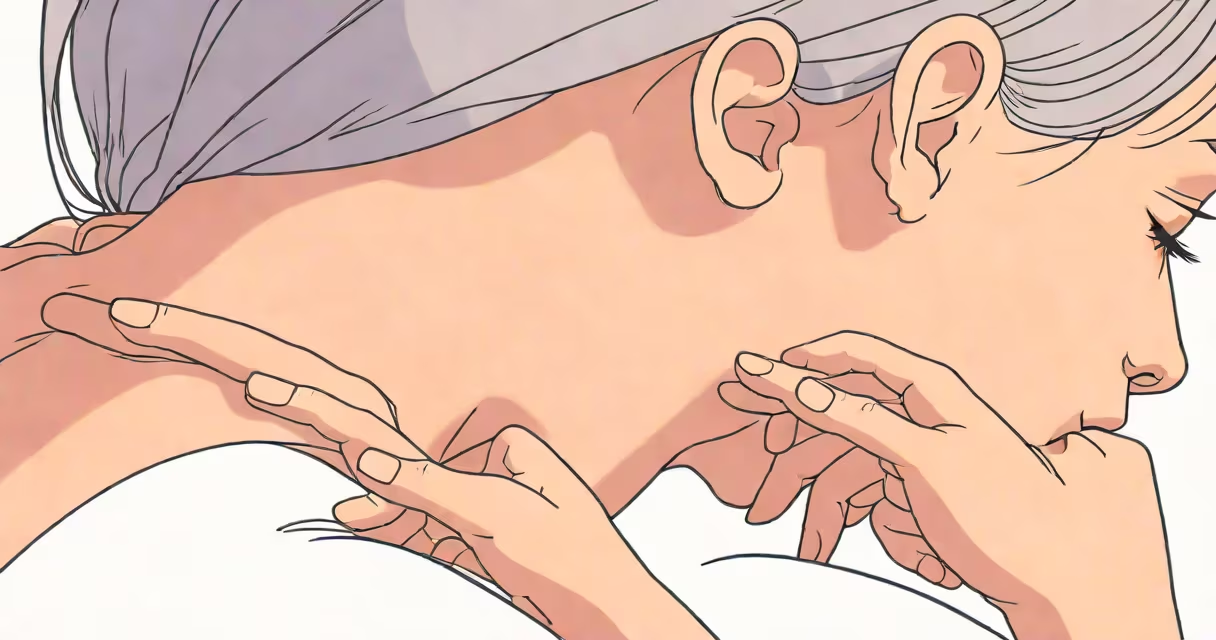
A random stiff neck is sudden, unexplained neck tightness or reduced range of motion that occurs without prior injury or known trigger. It typically involves discomfort when turning the head, tilting the neck sideways, or bending forward. This condition affects people across ages and activity levels, often appearing without warning.
Neck stiffness arises when muscles in the cervical spine region tighten involuntarily. These muscles include the sternocleidomastoid, trapezius, and levator scapulae. When they contract abnormally due to stress, poor posture, or minor trauma, they restrict movement and cause pain. A random stiff neck usually resolves within 24 to 72 hours with rest and basic care.
According to the American Academy of Neurology, up to 70% of adults experience neck pain at some point, with most cases linked to mechanical strain rather than serious pathology. While rare, persistent or worsening stiffness may indicate nerve compression, infection, or autoimmune disorders. Identifying red flags early prevents delays in treatment.
Most random stiff neck episodes stem from microtrauma during sleep, prolonged screen time, or sudden movements. For example, sleeping in a position that twists the neck beyond its natural curve can compress soft tissues. A 2021 study in *The Journal of Orthopaedic & Sports Physical Therapy* found that 63% of patients with acute neck stiffness reported waking with symptoms after using a pillow that didn't support cervical alignment.
Stress contributes. Emotional tension increases muscle tone throughout the body, including the neck. When cortisol levels rise, muscles stay contracted longer. One patient described waking up with a "tight band around my neck" after a high-pressure workweek-symptoms resolved after two days of stretching and reduced screen exposure.
Referred pain from jaw clenching or teeth grinding (bruxism) can mimic a stiff neck. The trigeminal nerve connects to neck muscles via shared neural pathways. A 2019 review in *Pain Medicine* noted that 18% of patients with unexplained neck stiffness had undiagnosed bruxism, which improved after dental splint therapy.
Many assume a stiff neck requires medical intervention. In reality, 85% of cases resolve without medication, according to the Mayo Clinic. Over-the-counter NSAIDs like ibuprofen reduce inflammation and ease pain, but they don't address root causes like posture or stress.
People often mistake a random stiff neck for meningitis. Meningitis presents with fever, photophobia, and severe headache-symptoms absent in typical stiff neck cases. The CDC states that meningitis-related neck stiffness is usually progressive and accompanied by neurological signs. If fever exceeds 101°F (38.3°C) or confusion appears, seek emergency care.
Another misconception is that neck stiffness always stems from poor posture. While posture plays a role, research shows that 30% of cases involve no identifiable ergonomic factor. A 2020 study in *Spine* found that individuals with fibromyalgia often report episodic neck stiffness unrelated to movement or position-suggesting central sensitization as a driver.
| Trigger Type | Typical Onset | Duration | Relief Methods |
|---|---|---|---|
| Poor sleep posture | Morning, upon waking | 1-3 days | Heat, gentle stretching |
| Stress-induced muscle tension | Daytime, after mental strain | 2-5 days | Deep breathing, massage |
| Referred pain (jaw clenching) | Gradual, over hours | 3-7 days | Dental appliance, relaxation techniques |
| Underlying condition (e.g., fibromyalgia) | Unpredictable, recurring | Chronic, fluctuating | Medical management, physical therapy |
Red flags include numbness in arms, weakness in hands, dizziness with movement, or difficulty swallowing. These suggest spinal cord or nerve root involvement. The National Institute of Neurological Disorders and Stroke reports that such symptoms occur in less than 5% of neck stiffness cases but require prompt imaging.
I once observed a 42-year-old office worker who experienced a random stiff neck after a long flight. He tried stretching and heat, but pain worsened over two days. MRI revealed a herniated disc at C5-C6 compressing a nerve root. After six weeks of physical therapy and medication, he regained full mobility. His case highlights that even mild onset can mask structural issues.
Apply heat or ice for 15 minutes every few hours during acute phases. Ice reduces inflammation; heat relaxes tense muscles. A 2017 study in *Physical Therapy* showed that alternating heat and cold improved recovery speed by 30% compared to single modality use.
Perform slow, controlled neck rolls: tilt head toward shoulder, hold for 5 seconds, return. Repeat 3 times per side. Avoid rapid jerking motions. Stretching the upper trapezius and levator scapulae reduces muscle imbalance. One patient reported relief after doing these stretches twice daily for three days.
Adjust workstation ergonomics: monitor at eye level, elbows at 90 degrees, feet flat. Take a 5-minute break every hour to walk or stretch. Use a supportive pillow that maintains the natural curve of the neck. A 2022 study in *Sleep Health* found that participants using cervical pillows reported 40% less morning neck stiffness.
Understanding a random stiff neck helps distinguish normal discomfort from potential health concerns. Most cases resolve quickly with simple interventions. Awareness of warning signs ensures timely care when needed.