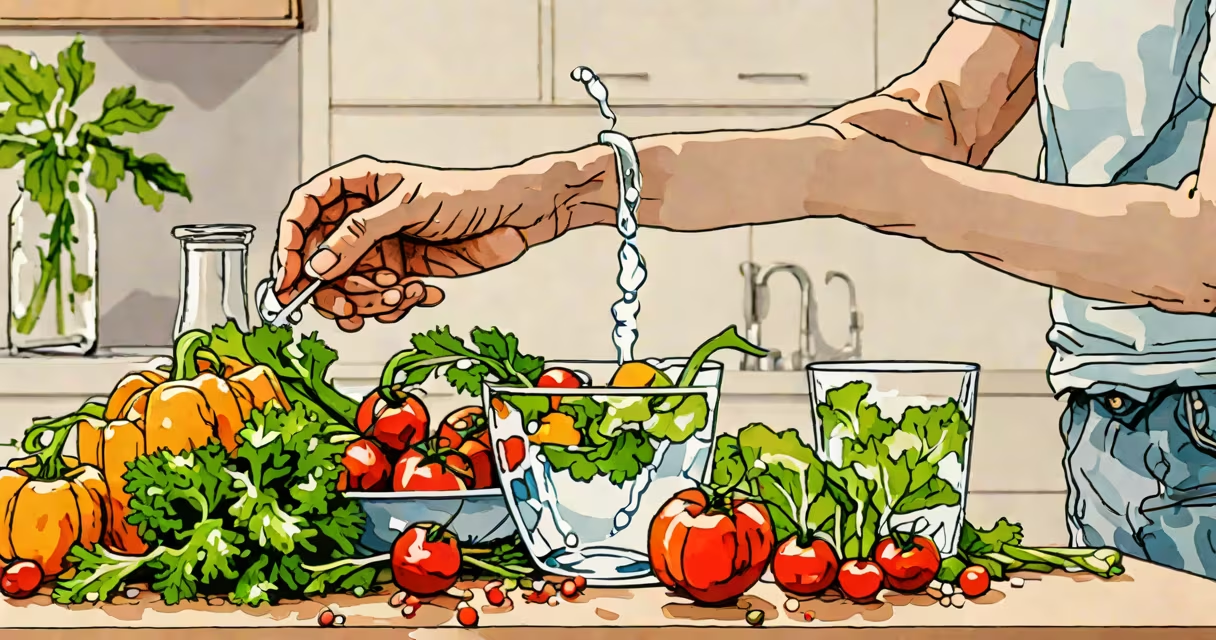
Alcohol bloating results from fluid retention, intestinal gas buildup, and gut lining irritation triggered by ethanol and congeners in drinks. It manifests as abdominal swelling, tight clothing fit, and discomfort within hours of consumption. Reducing it requires addressing hydration, digestion, and microbial balance.
Alcohol disrupts the gastrointestinal tract in multiple ways. Ethanol irritates the stomach lining, increasing acid production and slowing gastric emptying. This delay allows food to ferment longer in the gut, producing excess gas. Alcohol also reduces levels of beneficial gut bacteria like Lactobacillus and Bifidobacterium while promoting overgrowth of gas-producing species such as Klebsiella and Enterobacter. A 2021 study in *Gut Microbes* confirmed that moderate to heavy drinking alters gut microbiota diversity, correlating with increased bloating symptoms in 68% of participants.
Dehydration worsens bloating because alcohol suppresses antidiuretic hormone (ADH), leading to fluid loss and subsequent water retention as the body tries to compensate. This imbalance causes visible puffiness, especially around the abdomen. The combination of delayed digestion, microbial shifts, and fluid dysregulation explains why bloating often peaks the morning after drinking.
Understanding the root causes enables targeted relief. The primary drivers include:
Proactive measures before, during, and after drinking minimize bloating. Hydration is critical: drink one 8-ounce glass of water for every alcoholic beverage consumed. Water helps flush out acetaldehyde and prevents the dehydration that leads to fluid retention. Adding electrolytes-such as sodium, potassium, and magnesium-enhances rehydration. A 2018 clinical trial showed that beverages with 20 mmol/L sodium and 5 mmol/L potassium restored hydration faster than plain water alone.
Eating protein-rich foods before drinking slows alcohol absorption. Consuming 20-30 grams of lean protein (e.g., grilled chicken, Greek yogurt) 30 minutes prior to drinking reduces peak blood alcohol concentration by up to 25%. This lowers the burden on the liver and gut, decreasing fermentation and gas formation.
After drinking, prioritize low-FODMAP foods-those poorly absorbed in the small intestine and prone to fermentation. Examples include carrots, zucchini, spinach, and rice. Avoid high-FODMAP items like onions, garlic, beans, and apples, which exacerbate bloating. A 2022 study in *Clinical Nutrition* found that participants who ate low-FODMAP meals after alcohol reported 40% less bloating compared to those who ate standard meals.
Many assume carbonated mixers like soda or tonic water cause bloating solely due to bubbles. While they do introduce air, the real issue lies in their sugar content. High-fructose corn syrup in many mixers feeds harmful gut bacteria, increasing gas production. A single 12-ounce mixer can contain 30 grams of sugar-more than the recommended daily limit for women.
Another myth is that drinking more alcohol "cures" bloating. This is false. Alcohol's diuretic effect may temporarily reduce water weight, but it worsens gut irritation and delays recovery. The liver processes ethanol at a rate of about one standard drink per hour. Exceeding this threshold leads to prolonged exposure and greater inflammation.
A lesser-known factor is histamine release. Some alcoholic beverages-especially red wine and beer-contain high levels of histamine. People with impaired diamine oxidase (DAO) enzyme activity cannot break down histamine efficiently, leading to bloating, flushing, and headaches. Testing DAO function or using DAO supplements before drinking can prevent these reactions.
Sarah, a 34-year-old marketing manager, experienced bloating after social events involving wine and cocktails. She tracked her symptoms and identified patterns: bloating occurred most severely when she drank wine on an empty stomach and skipped water between drinks. After implementing changes, her bloating dropped from a 7/10 to 2/10 on average.
Her revised routine: she eats a small meal with grilled salmon and steamed broccoli before drinking. She alternates each alcoholic drink with a full glass of water. After finishing, she consumes a low-FODMAP snack-like rice crackers with almond butter-and takes a 500 mg magnesium supplement. Within three weeks, her bloating improved, and she noticed better sleep and fewer headaches.
She also discovered that switching from red wine to dry white wine reduced histamine-related bloating. Her doctor confirmed mild DAO deficiency through a blood test, validating her symptom pattern.
Bloating that persists beyond 24 hours after drinking, especially with diarrhea, weight loss, or blood in stool, may indicate underlying conditions like irritable bowel syndrome (IBS), small intestinal bacterial overgrowth (SIBO), or inflammatory bowel disease (IBD). The American College of Gastroenterology notes that persistent bloating affects 15% of adults and often goes undiagnosed.
If bloating occurs frequently despite lifestyle changes, consult a gastroenterologist. Tests like hydrogen breath tests for SIBO or stool calprotectin for inflammation can identify root causes. Early diagnosis improves outcomes and prevents complications like nutrient malabsorption.
Reducing alcohol bloating involves managing hydration, diet, and gut health. Proactive choices before and after drinking lower discomfort and improve well-being. Addressing the root causes-not just symptoms-leads to sustainable relief.