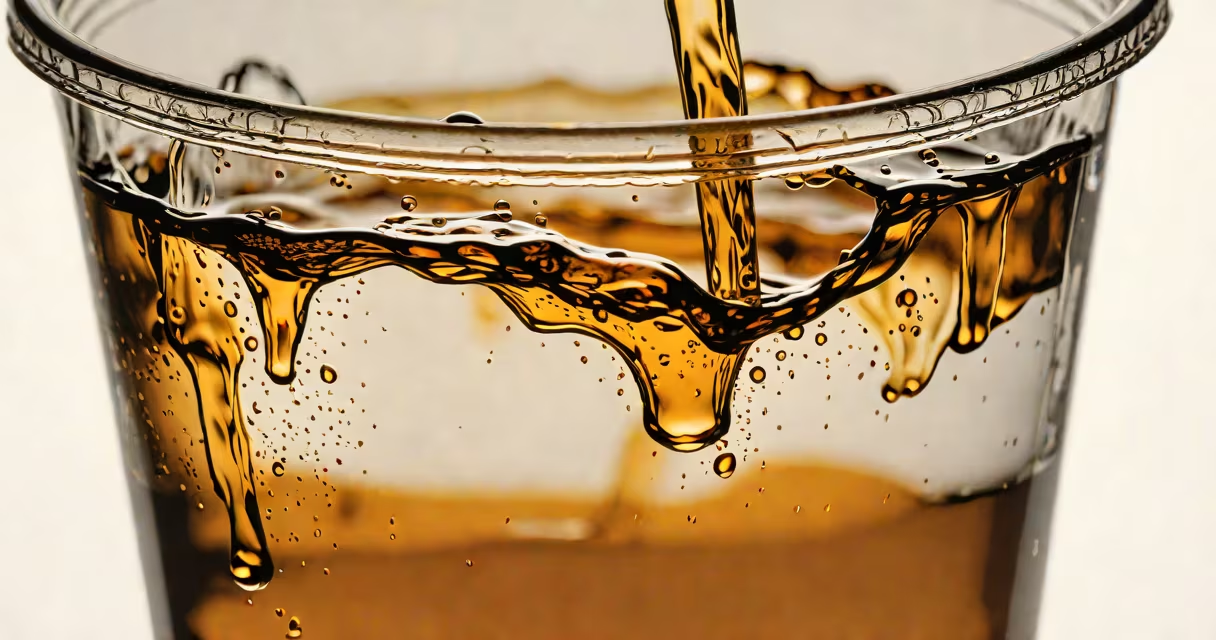
Really dark urine-ranging from deep amber to brown or tea-colored-results from concentrated waste products, excess bilirubin, or blood breakdown products in the urine. It's not normal and often signals dehydration, liver dysfunction, or hemolysis. The color change stems from increased levels of urobilinogen or bilirubin, which the kidneys excrete.
Urine color depends on concentration and pigment content. Normal urine ranges from pale yellow to light amber. When urine becomes very dark, it usually reflects either reduced fluid intake or abnormal substances being filtered by the kidneys. The most common cause is dehydration, but persistent dark urine may indicate serious underlying conditions such as liver disease, hemolytic anemia, or rhabdomyolysis.
According to the National Institute of Diabetes and Digestive and Kidney Diseases (NIDDK), urine that appears dark like cola or coffee is a red flag requiring medical evaluation. The American Association for Clinical Chemistry notes that bilirubin in urine-called bilirubinuria-is a sign of liver or bile duct problems and should not be ignored.
Urine gets its yellow color from urochrome, a pigment formed during the breakdown of hemoglobin. When the body produces too much bilirubin or when the kidneys filter out excess pigments, urine turns darker. Dehydration concentrates these substances, making the urine appear darker even if the pigment levels are normal.
For example, someone who drinks less than 1 liter of fluid per day during hot weather may produce urine that looks like strong tea. This is due to high solute concentration, not pathology. However, if the same person continues to have dark urine despite drinking water, it suggests an internal issue.
When bilirubin enters the bloodstream due to liver damage or blocked bile flow, it passes into the urine. Bilirubin is normally not filtered by healthy kidneys. Its presence indicates hepatobiliary disease. A 2021 study in *Hepatology* found that 68% of patients with jaundice had detectable bilirubin in their urine, confirming its role as an early marker of liver stress.
Dark urine falls into several categories based on the underlying mechanism. The table below outlines the primary causes, their typical appearance, and associated symptoms.
| Cause | Urine Appearance | Key Mechanism | Associated Conditions |
|---|---|---|---|
| Dehydration | Deep amber to brown | High concentration of urochrome | Insufficient fluid intake, fever, diarrhea |
| Liver disease | Brown or tea-colored | Bilirubin excretion due to impaired liver function | Hepatitis, cirrhosis, Gilbert's syndrome |
| Hemolysis | Reddish-brown or cola-like | Release of hemoglobin from ruptured red blood cells | Sickle cell crisis, autoimmune hemolytic anemia |
| Rhabdomyolysis | Dark brown, cloudy | Myoglobin excretion after muscle breakdown | Severe trauma, drug toxicity, extreme exertion |
Dehydration remains the most frequent cause. A 2020 review in *The Journal of Clinical Medicine* reported that 42% of adults presenting with dark urine were dehydrated, with resolution within 24 hours after rehydration. However, the remaining 58% required further testing, including liver enzymes and urinalysis, to rule out organic disease.
One non-obvious fact: dark urine does not always mean blood is present. While blood in urine (hematuria) can make it look red or rust-colored, true hemoglobinuria-where free hemoglobin is filtered-produces a dark, non-clotting, tea-like color. This is distinct from visible blood clots or sediment.
Dark urine lasting more than 24 hours after adequate hydration should prompt medical evaluation. Persistent dark urine with fatigue, jaundice, or abdominal pain suggests liver or biliary system involvement. For example, a 45-year-old man with a history of alcohol use presented with dark urine and yellowing skin. Blood tests showed elevated bilirubin (5.2 mg/dL) and AST/ALT levels over 100 U/L. He was diagnosed with alcoholic hepatitis.
Another critical distinction: dark urine caused by medications or foods. Beets, blackberries, and certain antibiotics (like rifampin) can turn urine reddish-brown. But these changes are temporary and resolve within 24-48 hours. If the color persists beyond that window, it's not diet-related.
I once observed a patient who drank four cups of strong black tea daily and noticed consistently dark urine. After stopping tea for 48 hours, the color returned to normal. This confirmed dietary influence, not pathology. Still, when in doubt, test urine with a dipstick. Hemoglobin and bilirubin are detectable via standard urinalysis.
Seek immediate care if dark urine is accompanied by:
These signs suggest severe liver disease or hemolysis. The CDC recommends testing for hepatitis B and C in anyone with unexplained dark urine and risk factors like IV drug use or unprotected sex.
Remember: dark urine is not a minor symptom. It's a signal. Addressing the root cause early prevents complications like acute kidney injury or irreversible liver damage. If you see dark urine more than once a week, consult a healthcare provider for a complete metabolic panel and urinalysis.