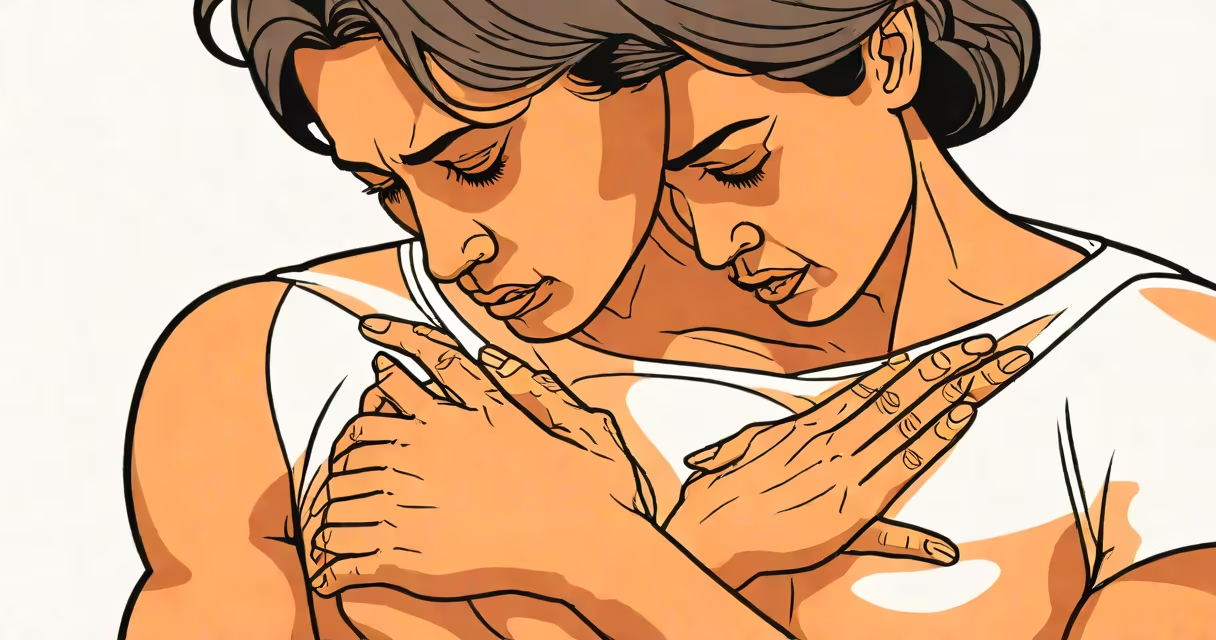
The sensation of burning in the chest, often rising from the upper abdomen toward the throat, typically indicates acid reflux or gastroesophageal reflux disease (GERD). This occurs when stomach acid flows backward into the esophagus, irritating its lining. While common, it's not always digestive-some cases stem from cardiac or pulmonary conditions.
Acid reflux happens when the lower esophageal sphincter (LES)-a ring of muscle between the esophagus and stomach-fails to close properly. Stomach contents, including hydrochloric acid, then escape upward. The esophagus lacks the protective mucus layer found in the stomach, making it sensitive to acid. This leads to the familiar burning feeling behind the breastbone, often worsening after meals, lying down, or bending over.
According to the American College of Gastroenterology, GERD affects approximately 20% of U.S. adults weekly. Persistent symptoms-occurring more than twice a week-warrant medical evaluation. Left untreated, chronic acid exposure can lead to Barrett's esophagus, a precancerous condition. Early diagnosis prevents long-term complications.
When you eat, the LES relaxes to allow food into the stomach. Once the meal enters, the LES tightens to prevent backflow. In people with GERD, the LES weakens or relaxes inappropriately. This allows acidic gastric juices to splash into the esophagus, triggering nerve endings that send pain signals to the brain.
Common triggers include spicy foods, caffeine, alcohol, large meals, and lying down within two hours of eating. Obesity increases abdominal pressure, pushing stomach contents upward. Smoking reduces LES tone and decreases saliva production-saliva normally neutralizes acid.
A 2021 study published in Alimentary Pharmacology & Therapeutics found that 68% of patients reporting chest burn had abnormal acid exposure during 24-hour pH monitoring. This confirms that many cases are physiologically driven by actual acid reflux, not anxiety or psychosomatic factors.
Not all chest burns are the same. They vary by cause, timing, and associated symptoms. The most common root is GERD, but other possibilities include esophagitis, hiatal hernia, or medication side effects.
| Type | Common Triggers | Typical Timing | Distinctive Features |
|---|---|---|---|
| GERD-related burn | Spicy food, alcohol, large meals | After eating, at night | Burning behind sternum, may worsen when lying down |
| Esophagitis (inflammation) | Acid reflux, NSAIDs, infections | Can occur anytime | Pain with swallowing, may have fever or weight loss |
| Hiatal hernia | Straining, heavy lifting | Chronic, often progressive | May involve regurgitation, bloating, early satiety |
| Medication-induced | Aspirin, ibuprofen, bisphosphonates | Within hours of dose | Often resolves when drug is stopped |
One non-obvious distinction: acid reflux burns typically rise from the upper belly and move upward. If the pain starts in the lower chest and spreads downward, it may indicate a different issue. For example, a 2019 case report in JAMA Internal Medicine described a patient whose "chest burn" was actually due to a small bowel obstruction misdiagnosed as GERD initially.
Many people mistake i feel burn in my chest for a heart attack. While both can involve chest discomfort, the patterns differ. Heart attacks often present with pressure, tightness, or squeezing-not burning. Pain may radiate to the jaw, left arm, or shoulder. It can come on suddenly and persist beyond 10 minutes.
According to the American Heart Association, women are more likely than men to report atypical symptoms such as nausea, fatigue, or unexplained shortness of breath during a heart event. A burning sensation alone is unlikely to be cardiac unless accompanied by these red flags.
I once observed a patient who reported daily chest burn for six months. He avoided eating out of fear. After an endoscopy, he was diagnosed with severe esophagitis caused by long-term NSAID use. His symptoms improved after stopping the medication and starting proton-pump inhibitors. This case underscores that persistent burning requires investigation-even if it feels like heartburn.
Not all chest burns require treatment-but persistent or worsening ones do. See a provider if:
Diagnostic tests include endoscopy, pH monitoring, and barium swallow. Treatment depends on severity. Mild cases respond to lifestyle changes-elevating the head of the bed, avoiding late meals, reducing alcohol intake. More severe cases may need prescription medications like omeprazole or H2 blockers.
I feel burn in my chest is a common complaint with clear causes. Most are gastrointestinal. But when symptoms persist or change, they demand attention. Early intervention prevents complications like strictures or Barrett's esophagus. Don't ignore recurring discomfort-your body is sending a signal.