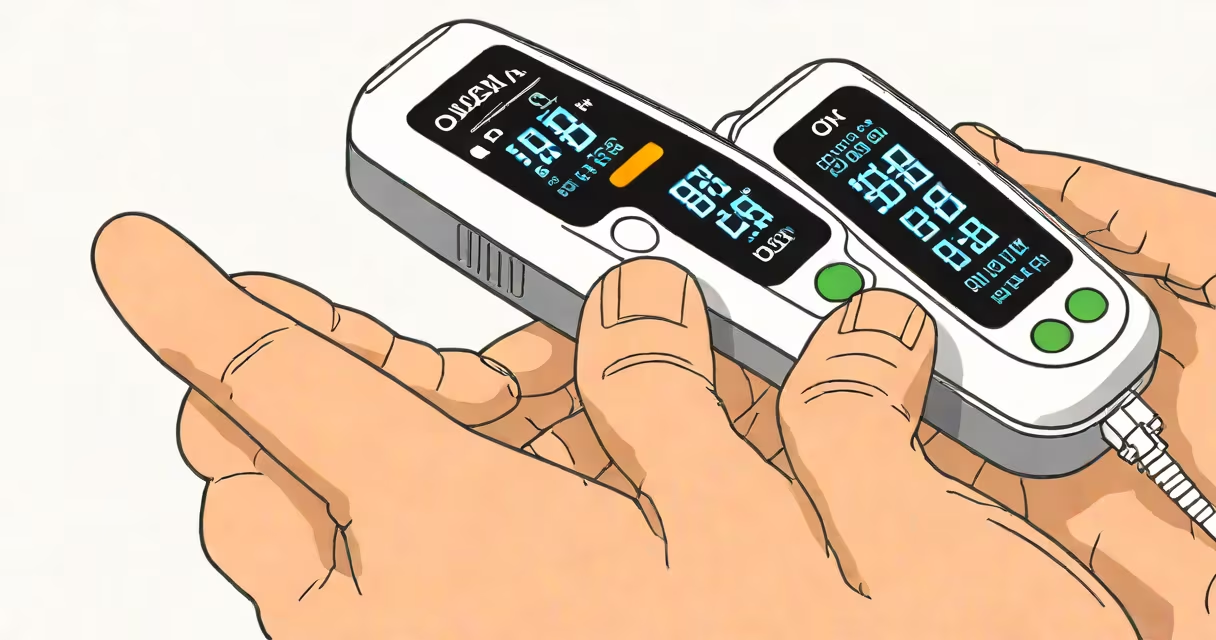
A good oxygen reading, measured as peripheral capillary oxygen saturation (SpO2), falls between 95% and 100% in healthy adults breathing room air. This value reflects how much oxygen is bound to hemoglobin in red blood cells. Values below 90% indicate hypoxemia and require clinical evaluation.
SpO2 is measured non-invasively using a pulse oximeter-a small device clipped to the finger, earlobe, or toe. The device emits light through the skin and calculates oxygen saturation based on how much light is absorbed by oxygenated versus deoxygenated hemoglobin. This method is widely used in hospitals, clinics, and home health settings.
The American Thoracic Society states that SpO2 levels below 90% in room air are clinically significant and may signal respiratory compromise. For individuals with chronic lung disease, such as COPD, a target range of 88% to 92% is often acceptable under medical guidance. However, for otherwise healthy people, a reading above 95% is considered optimal.
Pulse oximeters use two wavelengths of light-red and infrared-to detect changes in blood volume and oxygen binding. When hemoglobin carries oxygen, it absorbs more infrared light and less red light. The device analyzes these differences in real time and displays the percentage of saturated hemoglobin.
These devices are calibrated against arterial blood gas measurements, which remain the gold standard. A study published in *Critical Care Medicine* found that pulse oximeters have a margin of error of ±2% under stable conditions, making them reliable for routine monitoring.
For accurate readings, the sensor must be placed correctly, and the patient must be still. Movement, poor circulation, nail polish, or low perfusion can cause false low readings. Cold extremities reduce blood flow and may lead to inaccurate results, especially in elderly patients or those with circulatory issues.
There are two primary ways to assess oxygen status: SpO2 (non-invasive) and arterial blood gas (ABG, invasive). SpO2 is used for screening and ongoing monitoring. ABG provides precise measurements of PaO2 (partial pressure of oxygen in arterial blood), pH, and bicarbonate levels.
| Reading Type | Normal Range | When Used | Accuracy Level |
|---|---|---|---|
| SpO2 (Pulse Oximetry) | 95% - 100% | Home monitoring, ER triage, surgery | High (±2%) |
| PaO2 (Arterial Blood Gas) | 80 mmHg - 100 mmHg | Critical care, ICU, pre-anesthesia | Gold standard |
| SpO2 in Chronic Lung Disease | 88% - 92% | Long-term oxygen therapy patients | Targeted to prevent hyperoxia |
SpO2 is not a substitute for ABG in acute or unstable patients. For example, during septic shock, a patient may have a normal SpO2 but still be hypoxic at the tissue level due to impaired oxygen delivery. This condition, known as distributive shock, requires additional markers like lactate and mixed venous oxygen saturation.
Many assume that a high SpO2 reading guarantees adequate oxygenation. That's not always true. A person can have a normal SpO2 but still suffer from tissue hypoxia due to poor cardiac output, anemia, or carbon monoxide poisoning. Carbon monoxide binds to hemoglobin with 200 times greater affinity than oxygen, creating carboxyhemoglobin that the oximeter cannot distinguish from oxyhemoglobin.
As a result, a pulse oximeter may read 98% in a patient with carbon monoxide exposure-yet their tissues are starved of oxygen. This is why ABG testing remains essential in suspected poisoning cases. The Mayo Clinic reports that up to 15% of carbon monoxide exposures go undetected without specific testing.
Another common mistake is relying solely on SpO2 during anesthesia. Anesthesiologists monitor multiple parameters, including end-tidal CO2, blood pressure, and heart rate. A drop in SpO2 is a late sign of respiratory failure. Early indicators include rising CO2 levels and decreased breath sounds.
During the winter flu season, a 62-year-old woman with mild asthma developed a fever and cough. She used a pulse oximeter she bought online. Her baseline SpO2 was 97%, but on day three of illness, it dropped to 91% while resting. She reported increased shortness of breath.
She called her doctor, who advised a telehealth visit. The provider reviewed her symptoms and SpO2 trend. Because her SpO2 had fallen below 92% and she had new respiratory distress, the doctor recommended a chest X-ray and supplemental oxygen at home. Within 48 hours, her SpO2 returned to 96% with oxygen support.
This case illustrates that a single reading matters less than the trend. A sustained drop below 92% in a symptomatic individual warrants intervention-even if the number is technically within "normal" range for some guidelines.
SpO2 readings below 90% at rest, especially with symptoms like confusion, rapid breathing, or chest pain, require immediate medical evaluation. The CDC notes that low oxygen levels are a key predictor of hospitalization in patients with respiratory infections like influenza or COVID-19.
For people with known lung or heart conditions, a drop of 5% from baseline is concerning. For example, someone whose usual SpO2 is 94% should seek care if it drops to 89% or lower. Home monitoring tools are useful, but they don't replace professional judgment.
I've personally used a pulse oximeter during a hiking trip at high altitude. At 10,000 feet, my SpO2 dropped to 88% despite feeling fine. I descended 1,000 feet and my reading rose to 93%. This confirmed that altitude affects oxygen saturation, even in healthy individuals.
Understanding what a good oxygen reading means helps prevent delays in treatment. Always consider context-symptoms, baseline health, and environmental factors-not just the number.