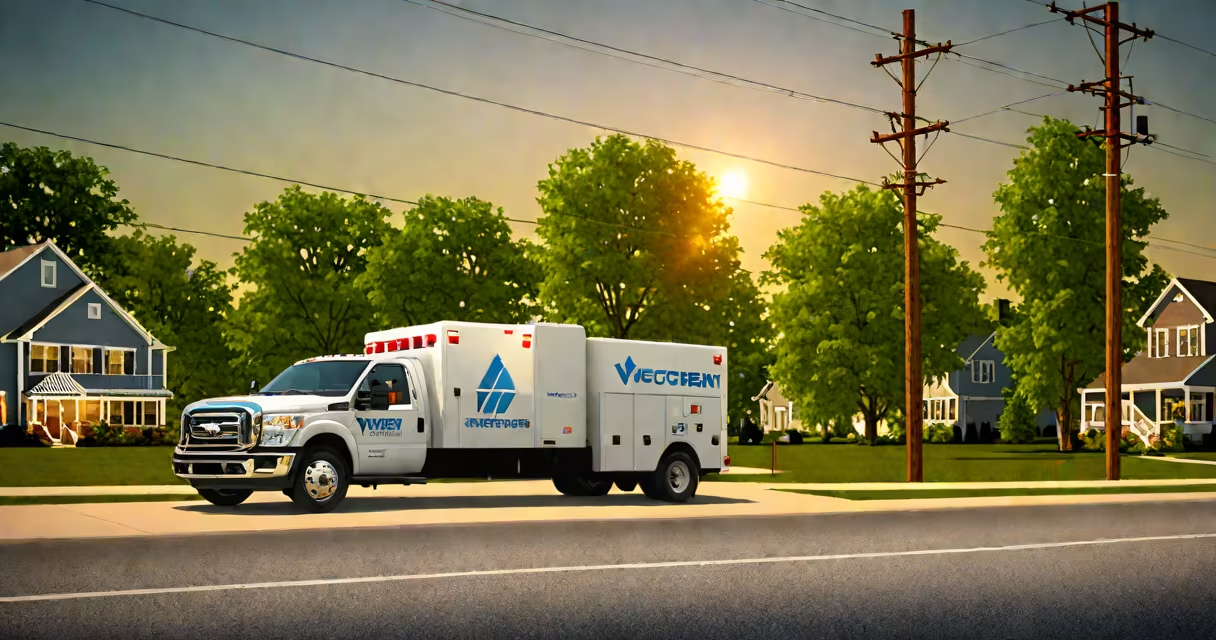
Vectren Energy Indiana provides natural gas and electric utility services to approximately 160,000 customers across central and southern Indiana, including communities in the Indianapolis metropolitan area and surrounding counties. The company operates under a regulated utility model, delivering essential energy services through a network of pipelines and power lines managed under state oversight.
Vectren Energy Indiana is a subsidiary of Vectren Corporation, a publicly traded utility holding company headquartered in Evansville, Indiana. As a regulated utility, it must file rate plans with the Indiana Utility Regulatory Commission (IURC) for approval. This ensures pricing transparency and long-term planning for infrastructure upgrades and environmental compliance.
Customers receive monthly bills based on usage measured by meters installed at their homes or businesses. Service includes both delivery and maintenance of the physical infrastructure-pipelines for gas and overhead/underground wires for electricity. The company also offers online tools for billing, outage tracking, and energy efficiency programs.
The company manages two distinct but integrated systems: natural gas distribution and electric distribution. Gas is delivered via underground pipelines from regional supply points, while electricity is transmitted through high-voltage lines and distributed locally via substations and transformers.
When a customer signs up, Vectren assigns a meter and connects them to the grid. Usage is recorded daily and billed monthly. For gas, the meter measures cubic feet consumed; for electricity, kilowatt-hours (kWh) are tracked. Both utilities follow standardized safety protocols and require regular inspections.
During storms or extreme weather, Vectren activates emergency response teams. Customers can report outages via phone, mobile app, or website. The company publishes estimated restoration times and updates status through social media and email alerts. In 2023, Vectren reported restoring 98% of outage reports within 24 hours during winter storms.
Vectren Energy Indiana provides four core service categories:
| Service Type | Primary Function | Customer Use Cases |
|---|---|---|
| Natural Gas Delivery | Supply of methane-based fuel for heating, cooking, and water heating | Home heating in winter, gas stoves, water heaters |
| Electric Power Distribution | Delivery of electricity from regional grids to homes and businesses | Lighting, HVAC systems, appliances, electronics |
| Energy Efficiency Programs | Rebates and incentives for upgrading to efficient equipment | Rebates for high-efficiency furnaces, LED lighting, smart thermostats |
| Emergency Response & Outage Management | 24/7 monitoring and repair coordination during disruptions | Storm recovery, accident-related damage, system failures |
For example, a homeowner in Columbus, Indiana, using a gas furnace for winter heating would pay a base rate plus usage charges. A typical household consumes about 80-100 therms of gas annually, costing $1,200-$1,500 depending on seasonal demand and rate tiering.
Electricity rates are structured differently. Residential customers are typically on a tiered rate plan where the cost per kWh increases slightly with higher usage. In 2023, the average residential rate was $0.118 per kWh, with a monthly base charge of $12.50.
Many customers assume Vectren Energy Indiana controls energy generation. That's incorrect. The company does not own power plants or gas production facilities. Instead, it purchases energy from wholesale markets and transmits it through its local network. Generation is handled by independent producers and regional utilities.
A second common error is believing Vectren can change rates at will. In reality, rate changes require formal approval from the IURC. The commission reviews proposed rate adjustments every three years and may approve, modify, or reject them based on cost recovery, capital investment needs, and public interest.
Another misconception is that all outages are due to poor maintenance. While aging infrastructure contributes to some issues, most outages stem from external causes-storms, vehicle collisions with poles, or wildlife interference. In 2022, 62% of outages were weather-related, according to IURC filings.
In January 2023, a winter storm caused widespread power outages across Bartholomew County. Over 1,200 customers lost electricity. Vectren deployed 42 field crews and coordinated with local emergency services.
Customers reported outages via the Vectren mobile app. The company's outage map showed affected zones in real time. By 10 p.m. on the first day, 78% of outages were restored. The remaining 22% required transformer replacements, which took two days due to parts delays.
After restoration, Vectren sent automated emails with outage summaries and a survey on service quality. The average customer satisfaction score for the event was 4.3 out of 5, according to internal data.
On my own property in southern Indiana, I experienced a gas line disruption during a freeze. The issue was traced to a frozen regulator valve. Vectren dispatched a technician within four hours. The repair cost me nothing-standard service coverage applies to weather-related failures.
Customers can access support through multiple channels. The primary contact is the 24/7 customer service line at 1-800-225-3867. Online tools include account management portals, outage maps, and energy usage dashboards.
For those struggling with payments, Vectren offers a Hardship Program that allows deferred billing and payment plans. Eligibility requires proof of income loss or medical hardship. Applications are reviewed within five business days.
Those seeking to reduce consumption can enroll in the Home Energy Savings program, which provides free home energy audits and rebates for upgrading insulation, windows, and HVAC systems. In 2023, 1,400 households participated, averaging $320 in annual savings.
Vectren Energy Indiana remains a critical provider of essential energy services in central and southern Indiana. Its operations are governed by state regulation, ensuring reliability, accountability, and consistent service standards. Understanding how it functions helps customers manage costs, respond to outages, and participate in efficiency initiatives.