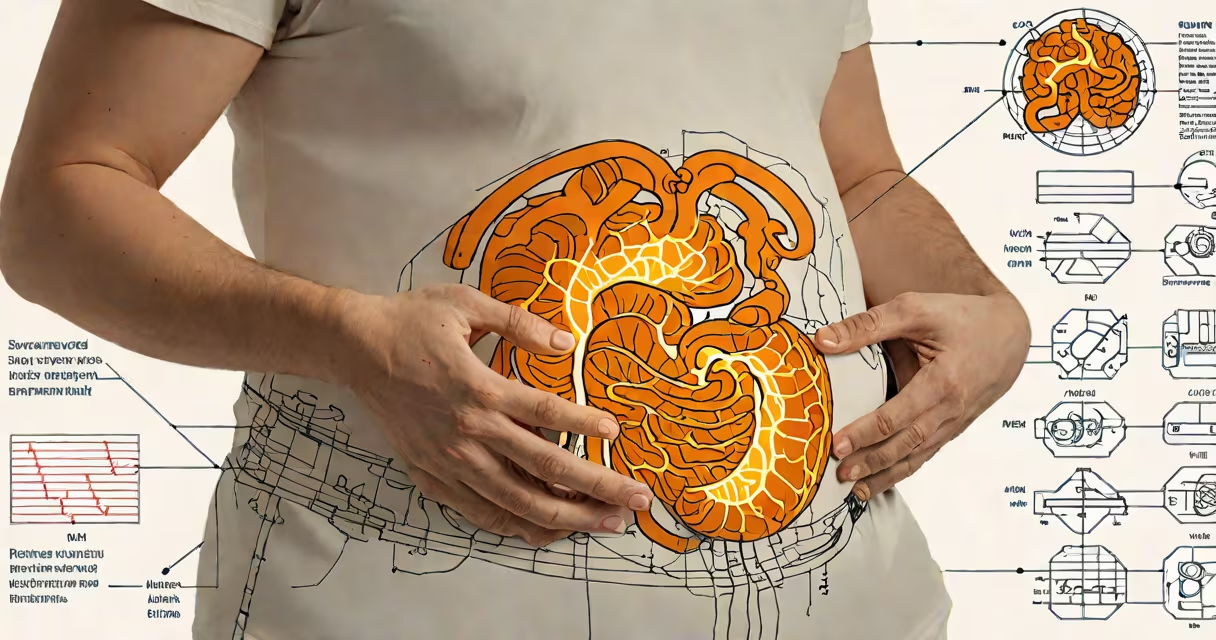
Symptoms of indigestion are uncomfortable sensations in the upper abdomen, often including bloating, nausea, heartburn, and a feeling of fullness after eating small meals. These occur when the digestive process is disrupted, typically due to excess stomach acid, delayed gastric emptying, or irritation of the stomach lining.
Indigestion, also known as dyspepsia, arises when the stomach fails to process food efficiently. This leads to pressure, burning, or heaviness in the upper belly. Common triggers include spicy foods, alcohol, caffeine, large meals, and stress. The condition affects about 1 in 4 adults annually, according to the American College of Gastroenterology.
Unlike acute conditions such as appendicitis or gallstones, indigestion rarely causes fever, vomiting blood, or sudden severe pain. Persistent symptoms beyond two weeks require medical evaluation to rule out ulcers, gastritis, or gastroesophageal reflux disease (GERD).
The most frequent symptom is epigastric pain-discomfort centered just below the breastbone. This pain may be sharp, dull, or burning and usually begins within 30 minutes to an hour after eating. It often resolves on its own but can last several hours.
Bloating occurs when gas accumulates in the stomach or intestines. It feels like tightness or swelling in the upper abdomen. A study published in *Gut* found that 62% of patients with functional dyspepsia reported bloating as a primary symptom.
Nausea and occasional vomiting may happen, especially after fatty or greasy meals. Unlike food poisoning, which causes rapid onset of vomiting and diarrhea, indigestion-related nausea develops slowly and doesn't lead to dehydration.
Indigestion symptoms fall into two categories: postprandial (after eating) and chronic (long-term). Postprandial indigestion is linked to meal size and composition. Chronic indigestion persists for weeks or months and may indicate underlying conditions like Helicobacter pylori infection or irritable bowel syndrome (IBS).
| Symptom | Typical Onset | Duration | Common Triggers |
|---|---|---|---|
| Upper abdominal pain | 15-60 min after eating | 1-4 hours | Spicy food, alcohol, NSAIDs |
| Bloating | During or after meal | Several hours | Fatty foods, carbonated drinks |
| Heartburn | After eating or lying down | 30 min - 2 hours | Large meals, bending over |
| Nausea | During or shortly after eating | 1-3 hours | Caffeine, greasy foods |
Some people experience "atypical" indigestion, where symptoms mimic heart problems. Chest tightness or pressure without exertion can be misinterpreted as cardiac events. The National Heart Association notes that up to 15% of patients with chest pain initially suspected of heart issues actually have GERD or indigestion.
Indigestion is often mistaken for heartburn, but they differ in mechanism. Heartburn is specifically acid reflux into the esophagus, causing a burning sensation behind the sternum. Indigestion involves broader stomach discomfort and may not include reflux at all.
Gas and bloating are frequently conflated with indigestion. While both can coexist, gas-related bloating tends to come with burping, flatulence, and shifting pain locations. Indigestion pain stays centralized and is tied to eating.
A key distinction: indigestion does not cause bloody stools or unexplained weight loss. If either appears, it signals a more serious condition like inflammatory bowel disease or gastrointestinal cancer. The Mayo Clinic advises seeking care when symptoms change or worsen over time.
Consider a 42-year-old woman who reports weekly episodes of upper abdominal pressure after lunch. She describes a heavy, warm feeling under her ribs that lasts 90 minutes. She's not nauseous, doesn't burp excessively, and has no diarrhea. Her symptoms begin consistently after eating chicken curry.
This pattern fits symptoms of indigestion. The pain is postprandial, localized, and triggered by specific foods. She doesn't report heartburn or bloating. Her history shows no red flags like weight loss or black stools.
If she had experienced frequent belching, abdominal rumbling, or passing gas, the issue might lean toward gas. But since those aren't present, the diagnosis points to indigestion. She improved after reducing spice intake and avoiding late dinners.
When symptoms overlap, testing helps. A hydrogen breath test can confirm excessive gas production. An endoscopy may detect inflammation or ulcers. For mild cases, lifestyle changes are first-line treatment.
See a doctor if symptoms persist beyond two weeks despite dietary changes. Red flags include difficulty swallowing, unintentional weight loss, vomiting blood, or black, tarry stools. These suggest bleeding or obstruction and require prompt evaluation.
Chronic indigestion can reduce quality of life. A 2021 study in *Alimentary Pharmacology & Therapeutics* found that persistent dyspepsia reduced work productivity by 22% among affected adults.
Recognizing symptoms of indigestion early allows timely intervention. Most cases resolve with diet modification, smaller meals, and avoiding irritants. Persistent or worsening symptoms demand clinical assessment to prevent complications.