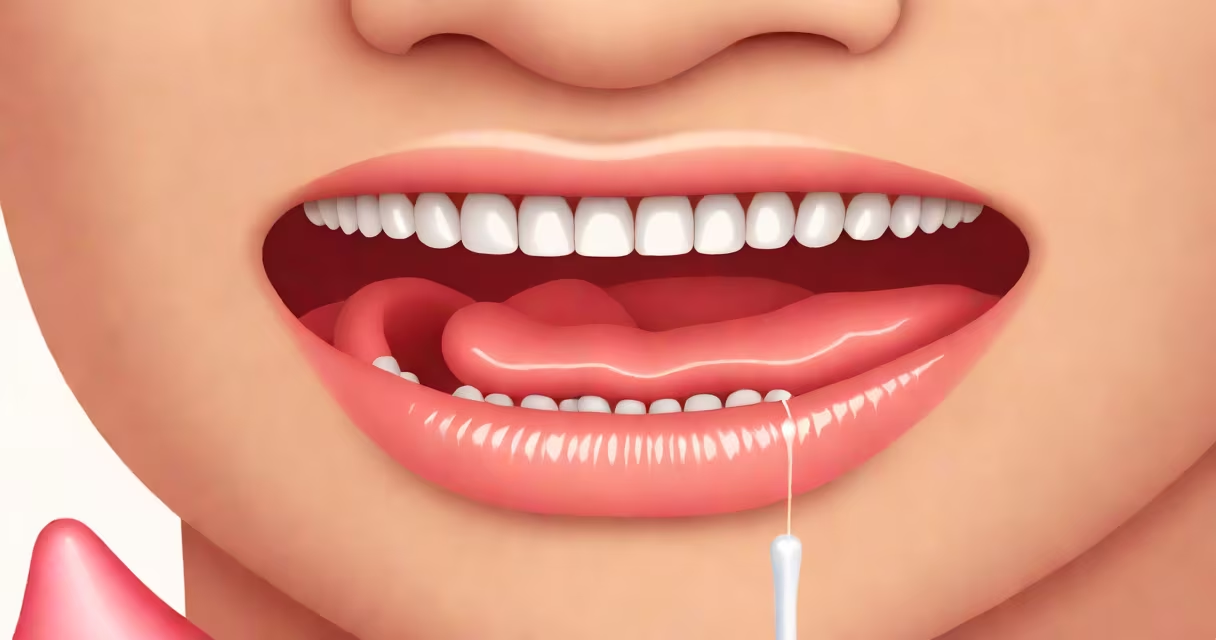
Strep throat is a bacterial infection caused by group A Streptococcus (GAS), specifically *Streptococcus pyogenes*. It causes sudden, severe sore throat, fever, and swollen lymph nodes, often without cold-like symptoms such as cough or runny nose. Unlike viral sore throats, it requires antibiotic treatment to prevent complications.
Group A Streptococcus bacteria invade the throat lining, triggering inflammation and immune response. The infection spreads through respiratory droplets-coughing, sneezing, or sharing utensils. It's most common in children aged 5-15, though adults can contract it too. Without treatment, it may lead to rheumatic fever or post-streptococcal glomerulonephritis, both rare but serious conditions.
The Centers for Disease Control and Prevention (CDC) reports that about 10-20% of sore throats in children and 5-10% in adults are due to strep. These numbers show why distinguishing strep from viral causes is essential. Misdiagnosis can result in unnecessary antibiotic use or delayed treatment.
When *Streptococcus pyogenes* enters the throat, it adheres to epithelial cells using surface proteins like M protein, which helps evade the immune system. The bacteria release toxins and enzymes that damage tissue and promote inflammation. This leads to the sign signs: intense pain when swallowing, red and swollen tonsils, and sometimes white or yellow exudate on the tonsils.
Immune cells flood the area, causing swelling and increased blood flow-what manifests as visible redness. The body raises its temperature in response, leading to fever. Pain results from nerve irritation and swelling pressing on surrounding tissues. Symptoms typically appear within 2-5 days after exposure and peak around day 3.
A key diagnostic clue is the absence of upper respiratory symptoms. Viral pharyngitis often includes cough, nasal congestion, and hoarseness. Strep throat rarely presents with these. Instead, patients report "feeling terrible" with sudden onset, often waking up with a sore throat that worsens throughout the day.
Strep throat doesn't have subtypes like some infections, but clinical presentations vary. The most common form is acute tonsillitis with exudate. Less frequently, it appears as pharyngitis without visible tonsil involvement-especially in younger children or those who've had their tonsils removed.
Some cases progress to peritonsillar abscess, a collection of pus near the tonsils. This is a complication requiring drainage and antibiotics. Others develop scarlet fever-a rash that feels like sandpaper and appears after a few days of illness. It's caused by a toxin produced by certain strains of GAS.
| Symptom | Common in Strep Throat? | Typical in Viral Sore Throat? |
|---|---|---|
| Severe sore throat, sudden onset | Yes | No |
| Fever > 101°F (38.3°C) | Yes | Less common |
| Cough | No | Yes |
| Nasal congestion | No | Yes |
| White patches on tonsils | Yes | No |
One non-obvious fact: strep throat can occur without tonsils. After tonsillectomy, the risk of recurrent strep drops, but the infection can still affect the posterior pharynx. A 2021 study in *The Laryngoscope* found that 12% of patients without tonsils still tested positive for GAS during sore throat episodes.
Strep throat thrives in close-contact environments-schools, dormitories, military barracks. The bacteria survive on surfaces for hours. Sharing drinks, utensils, or kissing increases transmission risk. An infected person remains contagious for up to 24 hours after starting antibiotics.
Children under 10 are most vulnerable. Their immune systems haven't built up prior exposure. Adults often mistake it for a bad cold. But untreated strep can lead to complications like rheumatic fever, which affects the heart. The American Heart Association notes that early treatment reduces this risk by over 90%.
I once saw a 12-year-old boy in a clinic with a temperature of 103°F, no cough, and visibly swollen tonsils. He'd been home from school for two days. Rapid antigen test confirmed strep. His mother said he'd "just been tired," missing the red flags. Antibiotics cleared his symptoms in 48 hours.
Strep throat is often mistaken for viral pharyngitis or mononucleosis. Mononucleosis, caused by Epstein-Barr virus, mimics strep with fatigue, sore throat, and swollen glands-but it's usually accompanied by extreme tiredness lasting weeks and a positive heterophile antibody test.
Another misconception: you don't sneeze with strep throat. Sneezing is a sign of upper respiratory viral infection. A 2020 review in *JAMA Internal Medicine* found that sneezing occurred in 68% of viral sore throats but only 12% of strep cases. If you're sneezing, it's likely not strep.
Testing is critical. Clinical judgment alone misses up to 30% of cases. The CDC recommends rapid antigen detection tests (RADTs) or throat cultures for confirmation. RADTs deliver results in 10 minutes. If negative but suspicion remains, a follow-up culture is needed.
Early diagnosis and treatment reduce spread, prevent complications, and shorten recovery. Strep throat what is it? A treatable bacterial infection requiring accurate identification and targeted therapy.