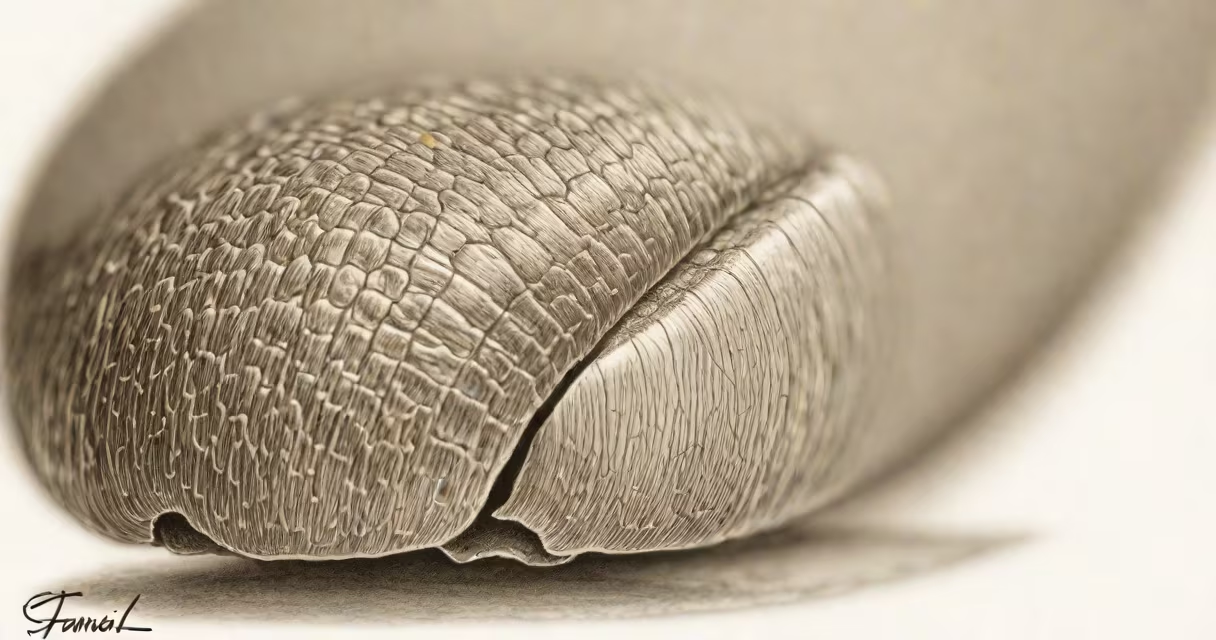
Fungal toe nail, medically known as onychomycosis, is a persistent infection of the toenail caused by dermatophyte fungi that invade the nail plate and underlying tissue. It affects approximately 10% of adults worldwide and often begins subtly, progressing over months without treatment.
The infection typically enters through small cracks in the nail or skin around the nail, thriving in warm, moist environments such as public showers or sweaty shoes. Once established, the fungus feeds on keratin-the protein that makes up nails-causing structural changes. Left untreated, it can spread to adjacent nails or cause permanent nail deformity.
According to the American Academy of Dermatology Association (AAD), onychomycosis accounts for about 50% of all nail disorders seen in clinical practice. The most common causative agents include *Trichophyton rubrum* and *T. mentagrophytes*, which are also linked to athlete's foot. Early diagnosis improves outcomes, especially since symptoms mimic other conditions like psoriasis or trauma-related changes.
Fungi grow slowly under the nail, often beginning at the tip or edge. As they multiply, they disrupt the nail's normal structure. The infection spreads inward and downward, pushing the nail away from the nail bed and causing lifting or separation-a process called onycholysis.
Transmission occurs through direct contact with contaminated surfaces or shared footwear. A 2021 study published in *The Journal of the European Academy of Dermatology and Venereology* found that individuals who walk barefoot in communal areas have a 3.6 times higher risk of acquiring toenail fungus compared to those who wear protective footwear.
Once inside, the fungus alters the nail's appearance and texture. It may turn yellow, green, or black, become brittle, crumble, or develop a foul odor. In advanced cases, pain and difficulty wearing shoes occur due to pressure and inflammation.
Onychomycosis presents in several forms, each with distinct features:
| Type | Appearance | Prevalence | Key Difference |
|---|---|---|---|
| Distal subungual | Nail thickens, becomes discolored and crumbly at the tip | ~70% | Starts at the free edge and moves toward the cuticle |
| White superficial | White patches appear on the nail surface; can be scraped off | ~10% | Doesn't penetrate deep into the nail bed |
| Proximal subungual | Yellow or white spots near the cuticle; rare in healthy people | ~5% | Often indicates immune system compromise |
| Endonyx | Nail remains intact but turns opaque and thickens internally | ~15% | Hard to diagnose without microscopy |
A common mistake is assuming all discolored nails are fungal. Psoriasis, trauma, and certain systemic diseases like diabetes can mimic onychomycosis. The AAD emphasizes that visual inspection alone is unreliable-confirmatory testing via potassium hydroxide (KOH) prep or fungal culture is necessary for accurate diagnosis.
Another misconception is that home remedies like vinegar soaks or tea tree oil are effective long-term solutions. While some essential oils show antifungal activity in lab settings, human trials do not support their use as standalone treatments. A 2019 Cochrane review concluded that topical tea tree oil had no significant benefit over placebo in resolving toenail fungus.
Accurate diagnosis requires laboratory analysis. A healthcare provider collects nail clippings or debris from under the nail and examines them under a microscope or sends them for culture. This step prevents misdiagnosis and ensures appropriate therapy.
Treatment options fall into three categories: oral antifungals, topical medications, and surgical removal. Oral terbinafine is the most effective, with cure rates of 60-70% after 12 weeks of daily use. However, it carries liver enzyme risks-monitoring blood tests is required during treatment.
Topical treatments like ciclopirox lacquer are less effective but safer. They require daily application for up to 48 weeks and work best on mild infections confined to the nail surface. For severe or resistant cases, partial or complete nail avulsion (removal) may be performed surgically, though regrowth takes 6-12 months.
As someone who treated a patient with chronic onychomycosis, I saw firsthand how slow recovery can be. One man had ignored his yellowed big toe nail for five years. After starting terbinafine and trimming the nail weekly, he saw visible improvement at 10 weeks-but full regrowth took 14 months. The new nail was clear, but the old damage remained.
See a dermatologist if you notice nail thickening, discoloration, or crumbling. Early intervention increases success rates and reduces transmission risk. People with diabetes or poor circulation should monitor feet closely-fungal infections can lead to ulcers or secondary bacterial infections.
Prevention focuses on dryness and hygiene. Keep feet clean and dry, especially between toes. Wear breathable shoes and moisture-wicking socks. Avoid walking barefoot in gyms, pools, or locker rooms. Do not share nail tools or footwear.
Fungal toe nail is not just a cosmetic issue-it can impact mobility, mental health, and quality of life. With consistent treatment and preventive habits, resolution is achievable. But patience is essential: nails grow slowly, and recurrence is possible even after apparent clearance.