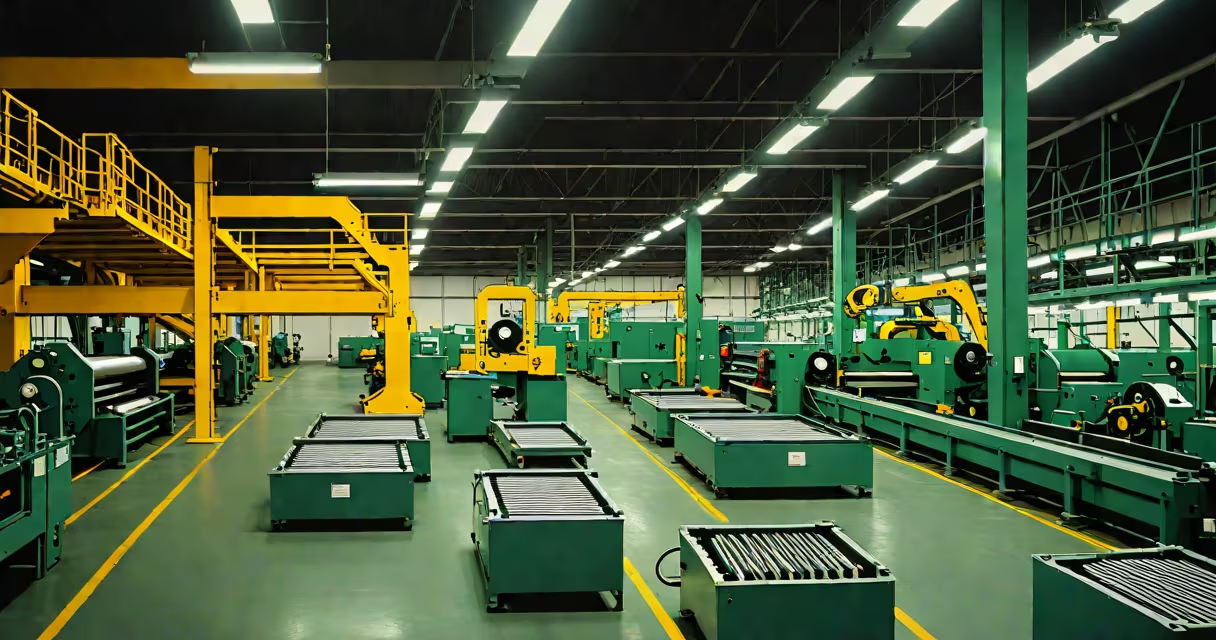
Fixed assets on a balance sheet are long-term tangible assets a business owns and uses to produce goods or services, not for resale. They include property, buildings, machinery, vehicles, and equipment. These assets appear under non-current assets and are recorded at historical cost minus accumulated depreciation.
These assets are essential for operations and expected to provide economic benefit for more than one accounting period. The Internal Revenue Service (IRS) defines fixed assets as those with a useful life exceeding one year and a value above $2,500 for federal tax purposes. The Financial Accounting Standards Board (FASB) requires companies to systematically allocate the cost of these assets over their useful lives through depreciation.
For example, a manufacturing company purchases a CNC machine for $150,000 with an estimated useful life of 10 years and a salvage value of $10,000. Using straight-line depreciation, the company records $14,000 in depreciation expense annually. After five years, the machine's book value is $80,000 ($150,000 − $70,000 accumulated depreciation).
Fixed assets are listed under non-current assets on the balance sheet. Their value is net of accumulated depreciation, which reduces the original cost over time. This reflects the asset's wear and obsolescence. A company may also record impairment charges if market conditions reduce the asset's recoverable amount below its carrying value.
Depreciation methods vary. Straight-line is most common, allocating equal expense each year. Accelerated methods like double-declining balance front-load expenses, useful for assets losing value quickly. The choice affects net income and asset valuation. For instance, a delivery van bought for $40,000 with a 5-year life and $5,000 salvage value would have annual depreciation of $7,000 using straight-line, reducing its book value by $7,000 per year.
Companies must disclose details about fixed assets in footnotes. According to FASB ASC 360, disclosures include cost, accumulated depreciation, useful lives, and depreciation methods. Public companies must also report changes in estimates or impairments. Failure to disclose can lead to regulatory scrutiny by the SEC.
Fixed assets fall into categories based on physical form and function. Common types include:
| Type | Examples | Typical Useful Life | Depreciation Method |
|---|---|---|---|
| Land | Factory site, office building lot | Indefinite | None (not depreciated) |
| Buildings | Manufacturing plants, warehouses | 20-40 years | Straight-line or declining balance |
| Machinery & Equipment | CNC machines, assembly lines | 5-15 years | Accelerated or straight-line |
| Vehicles | Delivery trucks, service vans | 5-8 years | MACRS (IRS method) |
| Furniture & Fixtures | Desks, filing cabinets, office partitions | 5-10 years | Straight-line |
Land is unique-it is not depreciated because it does not wear out. A company may revalue land if market prices rise, but this is rare under U.S. GAAP. Buildings and machinery are subject to regular depreciation. A company using MACRS for tax reporting may report different depreciation than for financial statements, creating temporary differences in taxable income.
One non-obvious fact: Some fixed assets are revalued upward under IFRS (International Financial Reporting Standards), but not under U.S. GAAP. Under U.S. standards, assets are carried at historical cost unless impaired. Revaluation is permitted under IFRS but not required. This impacts how multinational firms report assets globally.
Fixed assets are often confused with current assets. Current assets are expected to be converted to cash within one year-inventory, accounts receivable, and cash. Fixed assets are long-term and not liquid. Confusing them distorts working capital ratios and liquidity analysis.
Another frequent error is treating leased assets as fixed assets. Under ASC 842, most leases require recognition of a right-of-use asset and lease liability on the balance sheet. These are not fixed assets in the traditional sense-they are contractual rights, not owned property. A company leasing a warehouse for 10 years records a lease asset, not a fixed asset.
Fixed assets are derived from the trial balance. Accountants transfer balances from the general ledger to the trial balance, then to the balance sheet. Depreciation entries are posted monthly and accumulate in the accumulated depreciation account.
I once audited a small electronics manufacturer where the fixed asset register was outdated. The trial balance showed a $200,000 machine with $120,000 in accumulated depreciation. But the actual asset had been retired two years prior. The company continued recording depreciation until corrected. This led to overstated liabilities and understated equity. The fix required reconciling the fixed asset register with the general ledger and updating the balance sheet.
When preparing the balance sheet, fixed assets are totaled at net book value. This figure appears in the non-current assets section. Investors use this to assess capital intensity-the ratio of fixed assets to total assets. A high ratio suggests heavy reliance on physical infrastructure, common in manufacturing. A low ratio indicates service-oriented or tech-based models.
Fixed assets on a balance sheet are not just numbers-they reflect operational capacity and strategic planning. Companies use them to forecast maintenance costs, plan expansions, and evaluate return on investment. A $1 million upgrade to a production line may extend the asset's life by five years and increase output by 30%. This decision hinges on accurate fixed asset tracking.
Understanding what are fixed assets on a balance sheet enables better financial decisions. They are not disposable items. They are core tools of business. Proper accounting ensures transparency, compliance, and investor confidence.