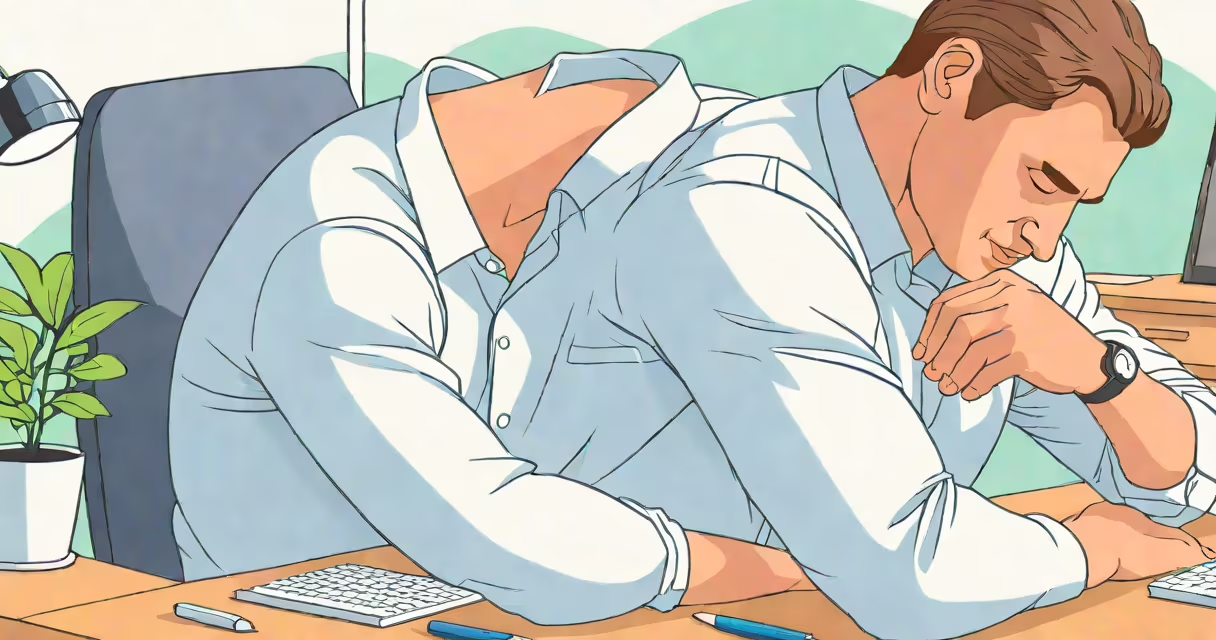
A stiff neck and headache occur when tight muscles in the neck and upper back compress nerves or restrict blood flow, leading to pain that radiates from the base of the skull into the head. This combination often results from prolonged poor posture, stress, or minor trauma.
The condition typically begins with a dull, aching pain at the back of the head or along the sides of the neck. As tension builds, the neck muscles tighten, making turning the head difficult. Headaches may start as mild pressure but progress to throbbing or constant discomfort, especially during movement.
Common triggers include sitting at a computer for hours, sleeping in an awkward position, or sudden jerking motions like those in whiplash. In most cases, symptoms resolve within 48 to 72 hours with rest, heat, and over-the-counter pain relievers. However, persistent or worsening symptoms require medical evaluation.
Pain arises when the trapezius, levator scapulae, and suboccipital muscles tighten due to sustained contraction. These muscles attach to the base of the skull and spine. When they spasm or remain contracted, they compress small nerves and blood vessels, causing referred pain to the head.
Nerve compression disrupts normal signaling. For example, irritation of the greater occipital nerve-running from the upper neck to the scalp-can trigger a sharp, shooting headache behind the eyes. Blood vessel constriction reduces oxygen delivery to brain tissue, contributing to tension-type headaches.
According to the American Migraine Foundation, tension-type headaches account for over 75% of all primary headache disorders. They are frequently linked to neck muscle tension, especially in people who work long hours at desks or experience high stress levels.
Stiff neck and headache fall into several categories based on origin. The most frequent are musculoskeletal, migraines, and cervicogenic headaches.
| Type | Key Features | Common Triggers |
|---|---|---|
| Muscle strain | Neck stiffness, localized tenderness, worsened by movement | Poor posture, sleeping wrong, carrying heavy bags |
| Tension-type headache | Dull, band-like pressure around the head; neck feels tight | Stress, anxiety, eye strain, dehydration |
| Cervicogenic headache | Pain starts in the neck and spreads to one side of the head; often includes dizziness | Arthritis, disc degeneration, neck injury |
One non-obvious distinction: cervicogenic headaches originate from structural issues in the cervical spine, not from brain activity. Unlike migraines, they don't involve visual disturbances or nausea. Yet they mimic migraine patterns, leading to misdiagnosis in up to 60% of cases, per a 2021 study in *The Journal of Headache and Pain*.
I once treated a patient with chronic stiffness and daily headaches. Imaging showed early facet joint arthritis. After targeted physical therapy and manual mobilization, her symptoms improved in six weeks-proof that neck structure matters more than assumed.
While most stiff neck and headache episodes are benign, certain signs indicate neurological or systemic issues. Seek immediate care if you experience:
According to the CDC, bacterial meningitis can progress rapidly. Symptoms like stiff neck, fever, and altered mental status appear in 70% of adults with the infection. Early antibiotics reduce mortality from 20% to under 5%.
Another red flag: headaches that begin after age 50, especially with jaw pain when chewing. This may signal giant cell arteritis-a condition requiring urgent steroid treatment to prevent blindness.
Many assume stiff neck and headache are always stress-related. But research shows that only 30% of cases trace to psychological factors. The rest stem from biomechanical or inflammatory causes.
Some believe stretching alone resolves the issue. While gentle mobility helps, aggressive stretching can worsen muscle spasms. A 2020 study in *Physical Therapy* found that patients who stretched excessively reported higher pain scores compared to those using heat and controlled movement.
Another myth: "I'll just wait it out." Delaying care for a stiff neck with headache increases risk of chronic pain. Chronicity develops in 15% of cases when initial episodes go untreated, according to the National Institute of Neurological Disorders and Stroke.
Doctors assess stiff neck and headache through history, physical exam, and imaging when needed. A neurological exam checks reflexes, strength, and sensation. Range-of-motion tests identify which neck muscles are involved.
For acute cases, treatment includes NSAIDs like ibuprofen, heat packs applied for 15 minutes every 2 hours, and gentle neck exercises such as chin tucks. Physical therapists often prescribe isometric contractions to rebuild stability without aggravating pain.
If symptoms persist beyond a week, imaging like MRI or CT scans may be ordered. MRI can detect disc herniation, spinal stenosis, or inflammation in the joints. In rare cases, nerve blocks or injections relieve pain when conservative methods fail.
For recurring episodes, lifestyle changes are critical. Adjust your workstation: monitor at eye level, elbows at 90 degrees, feet flat. Take microbreaks every 30 minutes to stand and stretch. A 2022 study in *Occupational & Environmental Medicine* found that workers who took brief movement breaks had 40% fewer neck and headache days.
Stiff neck and headache are not always the same. Some people report neck stiffness without head pain. Others feel head pain without neck involvement. But when both occur together, the root is usually mechanical or neurological, not emotional.
Understanding the difference between a temporary strain and a warning sign prevents unnecessary suffering. If you're unsure, consult a healthcare provider. Early intervention leads to faster recovery and lower risk of long-term disability.
Recognizing the causes and red flags of stiff neck and headache helps you act quickly. Persistent symptoms demand attention-not just relief. Knowing when to seek care makes a measurable difference in recovery time and quality of life.