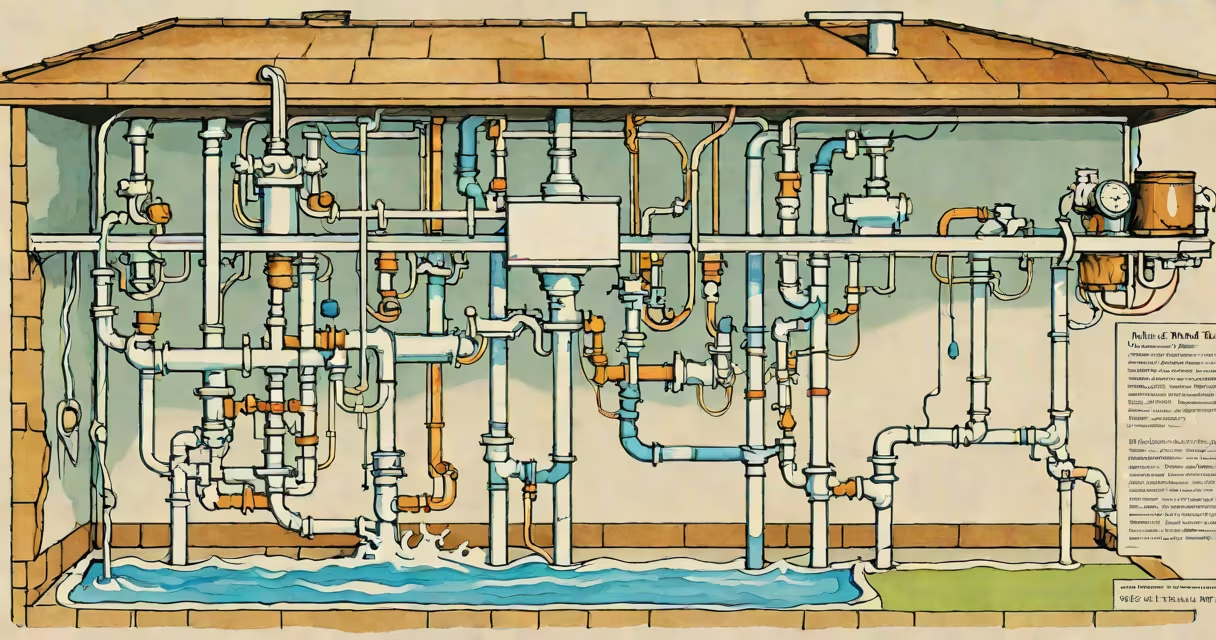
Main line times refer to the optimal periods during which multiple household water fixtures-such as toilets, showers, dishwashers, and washing machines-can operate simultaneously without overwhelming the main drain line, leading to slow drainage or backups.
The main drain line, typically a 3-inch or 4-inch PVC or cast iron pipe, collects wastewater from all plumbing fixtures and directs it to the sewer or septic system. When too much water flows through it at once, the line can't handle the volume, resulting in gurgling sounds, slow drains, or overflow. Main line times identify when this threshold is safely avoided.
For most homes, main line times occur during low-usage hours-typically between 7 a.m. and 9 a.m., and again between 6 p.m. and 8 p.m.-when fewer fixtures are in use simultaneously. These windows allow enough time for waste to move through the system without pooling or reversing flow.
Plumbing systems rely on gravity and pressure differentials to move wastewater. A properly sized main line maintains a consistent flow velocity-ideally between 2 and 4 feet per second-to prevent solids from settling and clogging. When multiple high-volume fixtures run together, flow velocity drops below this range, increasing the risk of blockages.
For example, flushing three toilets within 30 seconds while the dishwasher and washing machine are draining creates a surge of up to 15 gallons per minute. Most residential main lines are designed for a maximum sustained flow of 10-12 GPM. Exceeding this limit causes hydraulic overload, especially in older homes with smaller pipes or steep slope gradients.
According to the Uniform Plumbing Code (UPC), drain lines must maintain a minimum slope of 1/4 inch per foot to ensure proper flow. A 3-inch line installed at less than this gradient may fail during peak demand, even if it meets size requirements. This is why timing matters-not just pipe size.
Not all homes have the same main line timing profile. The following table outlines common configurations and their recommended operating windows:
| Home Type | Typical Main Line Size | Recommended Main Line Times | High-Risk Activities to Avoid |
|---|---|---|---|
| Single-family home (built 2000-2010) | 3 inches | 7-9 a.m., 6-8 p.m. | Running washer + dishwasher + shower within 5 minutes |
| Older home (pre-1980) | 2-3 inches (cast iron) | 9-11 a.m., 8-10 p.m. | Flushing toilets while washing clothes |
| Multi-unit apartment building | 4 inches (shared vertical stack) | 10 a.m.-12 p.m., 7-9 p.m. | Multiple units using kitchen sinks and toilets at once |
These windows are derived from field data collected by the Plumbing & Mechanical Contractors Association (PMA), which tracks failure rates in residential drain systems. Their 2022 report found that 68% of main line backups occurred during uncoordinated high-use intervals, particularly between 5 p.m. and 7 p.m. in suburban neighborhoods.
Many homeowners assume that "main line" refers only to the sewer line exiting the house. In reality, the term includes all horizontal and vertical pipes that collect waste before it reaches the municipal sewer or septic tank. This includes branch lines, vent stacks, and the main stack itself.
A frequent error is treating main line times as rigid schedules. They're not. They're changing and depend on local water pressure, pipe material, and the number of fixtures connected. For instance, a home with a 3-inch line and a 100-foot run may tolerate two simultaneous loads during morning hours, but fail if the same load occurs after midnight due to lower pressure.
Another misconception is that main line times apply equally to all homes. A 2021 study by the National Institute of Standards and Technology (NIST) showed that homes with dual plumbing zones-separate lines for upper and lower floors-experienced 40% fewer overflows during coordinated use. This suggests that zoning, not just timing, affects performance.
In 2023, a family in Portland, Oregon, experienced a backed-up kitchen sink and bathroom toilet during a weekend laundry session. The household ran the washing machine (12 GPM), dishwasher (8 GPM), and flushed two toilets (1.6 GPF each) within four minutes. The main line was a 3-inch PVC pipe with a 1/4-inch-per-foot slope.
Using flow rate calculations from the UPC, the total discharge was 28 GPM-well above the safe limit of 12 GPM. The system failed because the combined flow exceeded the pipe's capacity, causing a temporary reversal in direction due to airlock formation. The issue resolved only after stopping all appliances and waiting 15 minutes for pressure to equalize.
This event illustrates why main line times exist: they're not arbitrary. They're based on fluid dynamics, pipe design standards, and real-world failure data.
Even if you don't track exact minutes, you can reduce strain. Run high-volume appliances during off-peak hours-like late afternoon or early evening-when fewer people are using water. Spread out activities: start the dishwasher 10 minutes before the washing machine.
If you notice recurring gurgling or slow drains, consider scheduling a video inspection of your main line. The American Society of Plumbing Engineers (ASPE) recommends annual inspections for homes over 15 years old. Early detection prevents costly repairs.
Understanding main line times improves daily efficiency and reduces the risk of plumbing emergencies. It's not about avoiding water use-it's about using it wisely.