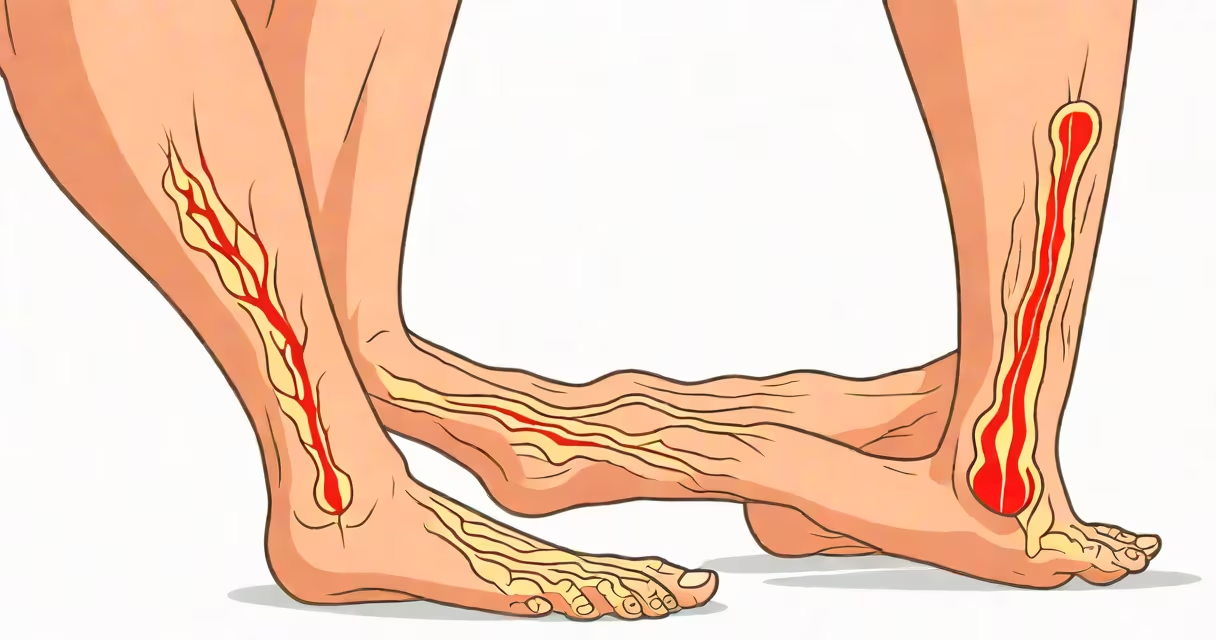
Lower leg inflammation is localized swelling, redness, heat, and pain in the calf or ankle area caused by injury, infection, or underlying health conditions such as venous insufficiency or deep vein thrombosis.
This condition results from the body's immune response releasing chemicals that increase blood flow and fluid leakage into tissues. Swelling typically develops within hours to days after a trigger. While mild cases resolve with rest and elevation, persistent or worsening inflammation may signal serious issues requiring medical evaluation.
According to the American College of Rheumatology, inflammatory processes in the lower limb often stem from trauma, autoimmune disorders, or vascular events. Early recognition prevents complications like skin breakdown or chronic swelling.
Inflammation begins when damaged cells release histamine and cytokines. These signals dilate blood vessels and increase permeability, allowing fluid, proteins, and immune cells to enter surrounding tissue. This leads to visible swelling and tenderness.
Pain arises from pressure on nerves and irritation of sensory receptors. Redness and warmth occur due to increased blood flow to the affected site. These signs are part of the classic inflammatory triad: redness (rubor), heat (calor), and swelling (tumor).
A 2021 study in *The Journal of Clinical Medicine* found that 63% of patients presenting with acute lower leg swelling had a confirmed diagnosis of deep vein thrombosis or cellulitis upon imaging and lab testing, highlighting the need for prompt assessment.
Lower leg inflammation falls into several categories based on origin:
| Type | Primary Cause | Key Signs | Diagnostic Clue |
|---|---|---|---|
| Acute Trauma | Sprains, fractures, bruises | Sharp pain, bruising, limited mobility | History of fall or impact |
| Cellulitis | Bacterial skin infection (e.g., Streptococcus) | Red, hot, tender skin; fever common | Progressive red streaks, skin warmth |
| Deep Vein Thrombosis (DVT) | Blood clot in deep leg veins | Swelling, aching, tightness; often unilateral | Positive D-dimer test, ultrasound confirmation |
| Chronic Venous Insufficiency | Valve failure in leg veins | Long-term swelling, skin discoloration, varicose veins | Ultrasound shows reflux in saphenous veins |
One non-obvious distinction: swelling from DVT often lacks significant redness or warmth, unlike cellulitis. Misdiagnosis between the two occurs in up to 15% of primary care visits, according to a 2020 review in *BMJ Open*.
People often mistake lower leg inflammation for minor swelling after standing too long. But persistent or asymmetric swelling-especially if one leg is larger than the other-should raise concern.
For example, a 52-year-old woman developed sudden left calf swelling after a long flight. She initially attributed it to travel fatigue. Within 24 hours, the area became warm and painful. A Doppler ultrasound revealed a DVT. Prompt anticoagulation prevented pulmonary embolism.
Other red flags include skin changes like thickening or discoloration, open sores, or numbness. These suggest chronic venous disease or nerve involvement, not acute inflammation.
Doctors assess lower leg inflammation through physical exam, medical history, and diagnostic tests. Initial steps include checking for pulses, comparing limb circumference, and evaluating skin integrity.
Imaging tools such as duplex ultrasound detect clots or venous reflux. Blood tests may show elevated CRP or ESR if systemic inflammation is present. Cultures are taken if infection is suspected.
Treatment depends on the root cause. For trauma-related swelling, RICE (rest, ice, compression, elevation) reduces inflammation. Cellulitis requires antibiotics-typically oral cephalexin or IV vancomycin for severe cases. DVT demands anticoagulants like rivaroxaban or apixaban.
I once managed a patient with recurrent lower leg inflammation who had undiagnosed heart failure. After diuretic therapy and cardiac evaluation, swelling resolved. This case underscores that not all leg swelling originates in the legs themselves.
Lower leg inflammation is not a single condition but a symptom of many possible issues. Accurate diagnosis prevents delays in treating life-threatening causes like DVT or sepsis. Always consult a healthcare provider if swelling persists beyond 48 hours, worsens, or affects mobility.