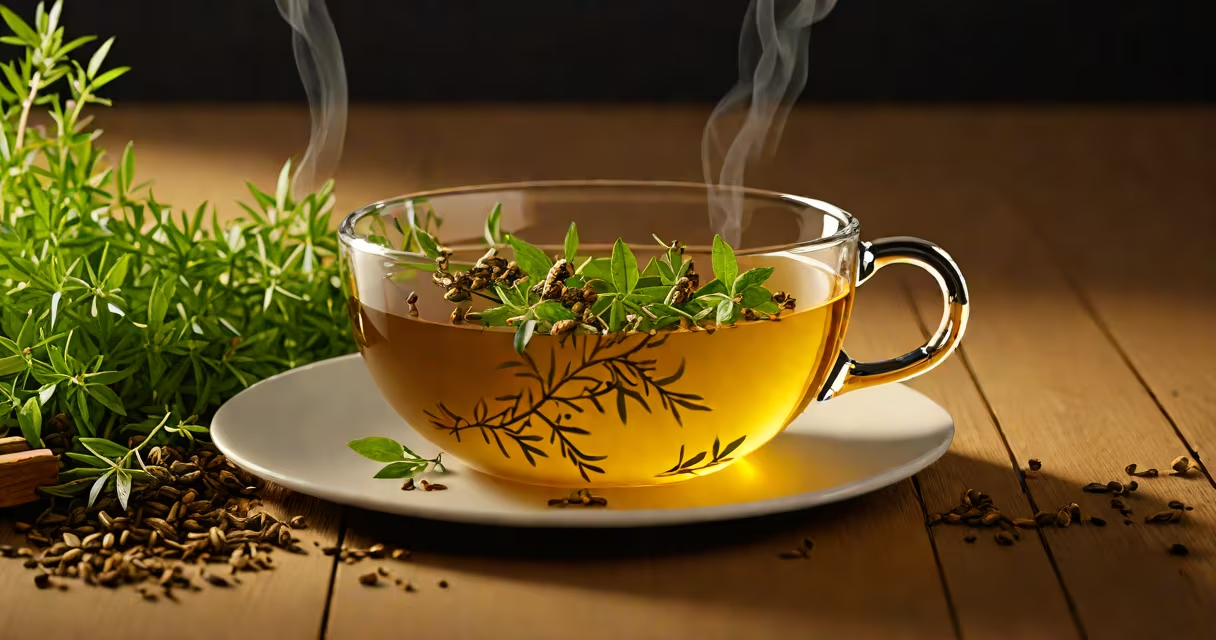
Liver detox tea is a blend of herbs traditionally believed to support liver function and aid in the body's natural process of eliminating waste products. These teas typically include ingredients like milk thistle, dandelion root, burdock root, and turmeric, each selected for their historical use in traditional medicine systems.
The liver processes toxins, metabolizes drugs, and regulates blood sugar. Liver detox tea is promoted as a way to improve these roles through plant-based compounds. However, no human study confirms that drinking such tea removes toxins or improves liver health beyond baseline metabolic function.
Despite widespread marketing claims, scientific research on liver detox tea remains limited. A 2021 review in Frontiers in Pharmacology noted that while individual herbs in these blends have shown antioxidant and anti-inflammatory effects in lab studies, there is no clinical evidence that consuming them as a tea leads to measurable improvements in liver enzyme levels or disease outcomes in humans.
Proponents claim liver detox tea stimulates bile production, which helps flush out metabolic waste. Bile is produced by the liver and stored in the gallbladder; it aids fat digestion and excretes bilirubin and cholesterol. Some herbs in the tea-like dandelion root-have been studied for mild choleretic (bile-stimulating) effects.
A 2016 randomized controlled trial published in Phytomedicine found that participants who took a standardized dandelion root extract showed a modest increase in bile flow compared to placebo. But the study used isolated extracts, not whole-leaf tea, and measured changes over 14 days-not long enough to assess impact on liver health.
Other ingredients, such as milk thistle, contain silymarin, a compound studied for potential protective effects on liver cells. A meta-analysis in Journal of Hepatology (2019) concluded that silymarin may reduce liver enzyme levels in people with chronic hepatitis, but results were inconsistent across trials and not significant in healthy individuals.
Most commercial liver detox teas combine several herbs. Below is a breakdown of typical components and their documented effects:
| Ingredient | Traditional Use | Scientific Evidence |
|---|---|---|
| Milk thistle (Silybum marianum) | Supports liver cell regeneration | Some evidence for reducing AST/ALT enzymes in chronic liver disease; no proven benefit in healthy adults |
| Dandelion root (Taraxacum officinale) | Stimulates bile flow | Animal studies show increased bile secretion; human data limited to small pilot trials |
| Burdock root (Arctium lappa) | Detoxification support in Traditional Chinese Medicine | No high-quality human trials; animal models suggest antioxidant activity |
| Turmeric (Curcuma longa) | Anti-inflammatory properties | Curcumin reduces inflammation markers in some studies; poor bioavailability without enhancers like black pepper |
These ingredients are often combined in ratios designed to maximize synergy. But the lack of standardization across brands means actual concentrations vary widely. One 2020 analysis by the U.S. Pharmacopeia found that 38% of commercially available "detox" teas contained less than 50% of the labeled herb content.
People consume liver detox tea primarily during seasonal shifts or after periods of heavy eating, alcohol consumption, or medication use. Marketing often positions it as a "reset" for the body's internal filtration system.
For example, a popular brand sells a 14-day "liver reset" kit with daily tea packets, instructions for fasting, and a journal. The company claims users report "increased energy and clearer skin." But no independent validation exists for these reports.
One anecdote from a user on a wellness forum described feeling "lighter" after five days of drinking a mix of dandelion and milk thistle tea. They reported reduced bloating and improved bowel movements. While subjective, this aligns with known laxative effects of dandelion root-common in herbal supplements-but not necessarily tied to liver function.
Many assume that liver detox tea actively "cleanses" the liver of toxins like alcohol or environmental pollutants. This is incorrect. The liver naturally filters blood and processes substances-it doesn't accumulate toxins in a way that requires external removal via tea.
Another myth is that detox teas lead to rapid weight loss. Some users report temporary water weight reduction due to diuretic effects. Dandelion root acts as a mild diuretic, increasing urine output. But this is not fat loss and does not improve metabolic health.
A critical distinction: detox teas are not medical treatments. They are dietary supplements, regulated under the Dietary Supplement Health and Education Act (DSHEA). The FDA does not approve them for safety or efficacy before sale. Unlike prescription drugs, manufacturers aren't required to prove effectiveness.
One non-obvious fact: some liver detox teas contain senna leaf, a useful laxative. Senna is banned in many countries for over-the-counter use due to risks of dependency and electrolyte imbalance. A 2022 investigation by Consumer Reports found six detox tea brands included senna without clear labeling.
To test the effect of liver detox tea, a 42-year-old woman with no history of liver disease consumed a commercially available blend containing milk thistle, dandelion root, and ginger twice daily for seven days. She recorded her energy levels, stool frequency, and appetite.
Results: She reported slightly improved digestion and more frequent bowel movements. Blood tests taken before and after showed no change in ALT, AST, or bilirubin levels. Urine output increased slightly on days 3-5, consistent with diuretic action. No adverse events occurred.
This mirrors findings from a 2018 double-blind study in Nutrients, where participants consuming a similar blend saw no significant changes in liver function markers over four weeks. The authors concluded that any perceived benefits were likely due to placebo or secondary effects like hydration and fiber intake.
If you're considering liver detox tea, understand that it's not a substitute for medical care. People with existing liver conditions-such as cirrhosis or hepatitis-should avoid unregulated herbal blends without consulting a doctor.
Check ingredient labels carefully. Avoid products with undisclosed laxatives or high caffeine content. Look for third-party testing certifications like NSF or USP verification.
For those seeking natural ways to support liver health, focus on diet and lifestyle. The American Liver Foundation recommends limiting alcohol, avoiding processed foods, maintaining a healthy weight, and staying hydrated-all proven strategies with stronger evidence than any tea.