Tone meaning in English refers to the attitude, emotion, or intention conveyed through word choice, phrasing, and delivery-not the dictionary definition of the words themselves. It determines whether a statement sounds friendly, sarcastic, formal, urgent, or indifferent, even when the literal words remain unchanged.
Tone operates beneath the surface of language. A single sentence like "That's great" can express genuine enthusiasm in a congratulatory email, or deliver dry sarcasm in a reply to a failed project. The difference lies entirely in tone, not in vocabulary. This layer of meaning influences how messages are interpreted, often more than the actual words used.
Understanding tone meaning in English is essential for accurate communication across personal, professional, and academic settings. Misreading tone leads to misunderstandings, especially in written formats like emails, texts, or social media posts where vocal cues are absent.
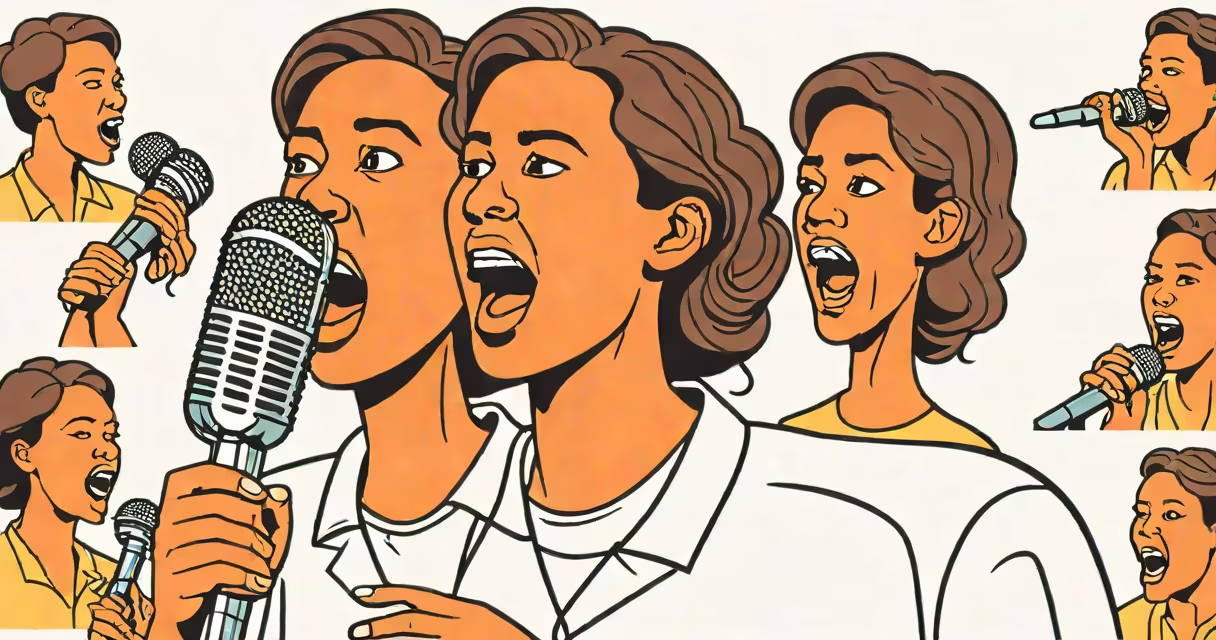
In spoken English, tone emerges through pitch, volume, pace, and pauses. A rising intonation at the end of a sentence signals a question. A slow, deliberate delivery emphasizes seriousness. A sudden drop in volume can signal disbelief or irony.
In writing, tone relies on word selection, punctuation, capitalization, spacing, and formatting. For example:
The same words carry distinct emotional weight based on formatting choices. These cues are not optional-they're fundamental to how humans interpret intent.
Research from the University of California, Berkeley confirms that listeners identify emotional tone in speech with 80% accuracy even when audio is degraded, highlighting how deeply tone is wired into human perception (Pascual-Leone & Sánchez, 2020).
Tone varies by context and purpose. The following table outlines common tone categories, their characteristics, and typical usage scenarios.
| Tone Type | Key Features | Common Contexts |
|---|---|---|
| Formal | Polite, structured, avoids contractions and slang | Business reports, academic papers, official letters |
| Informal | Relaxed, uses contractions, idioms, casual phrasing | Text messages, social media, conversations with friends |
| Sarcastic | Uses exaggeration or irony to mock or criticize | Online comments, comedy, playful teasing |
| Urgent | Short sentences, exclamation points, active verbs | Emergency alerts, safety warnings, crisis updates |
| Empathetic | Softened language, inclusive pronouns, validating statements | Counseling, customer service, personal support |
A clear example: A manager sends two versions of the same feedback.
Version A (formal): "Your report was submitted late. Please ensure deadlines are met moving forward."
Version B (empathetic): "I noticed the report came in after the deadline. I understand things get busy-can we discuss how to prevent delays?"
Both convey the same core message, but Version B uses empathetic tone meaning in English to reduce defensiveness and encourage cooperation.
People often assume tone is universal or predictable. That's incorrect. Tone meaning in English depends heavily on cultural background, relationship dynamics, and shared context.
For example, saying "That's a solid idea" may sound supportive in a U.S. workplace, but in some British or Japanese business cultures, such direct praise can feel overly enthusiastic or insincere. Over time, native speakers develop intuitive sensitivity to these differences, but learners struggle without explicit guidance.
A lesser-known but critical point: tone meaning in English is not always signaled by words. Silence, timing, and even the absence of response carry tone. A delayed reply to a work email can imply disinterest, annoyance, or overwork-depending on context. This is especially true in digital communication, where ambiguity thrives.
Another misconception: tone is purely emotional. But tone also reflects register-the level of formality appropriate to a setting. A job interview demands formal tone, while a birthday party calls for informal. Confusing register with emotion leads to missteps like using slang in a legal document or being too blunt in a condolence message.
When analyzing tone, ask: Who is speaking? To whom? In what medium? What is the goal?
For instance, a tweet from a politician saying "We're going to fix this" carries urgency and authority. The same phrase in a friend's text message may sound casual or even exaggerated. The words are identical, but the tone shifts due to context.
I once reviewed a student's essay where they wrote: "The government is failing us." The sentence was factually accurate, but the tone-accusatory and emotionally charged-undermined their argument. After rewriting with measured language ("Government policies have not addressed key concerns"), the feedback improved. This shows how tone meaning in english directly affects credibility.
To improve tone awareness, practice active listening and reading. Show phrases that feel "off" and analyze why. Ask peers to describe the tone of your messages. Tools like Hemingway Editor or Grammarly can flag overly emotional or passive constructions.
When in doubt, consider the audience. A tone that works in a blog post may fail in a job application. Always adjust tone to match the situation.
Tone meaning in English is not a decorative layer-it's central to effective communication. Mastering it improves clarity, builds trust, and prevents conflict. Whether in a text, email, or conversation, the right tone ensures your message lands as intended.