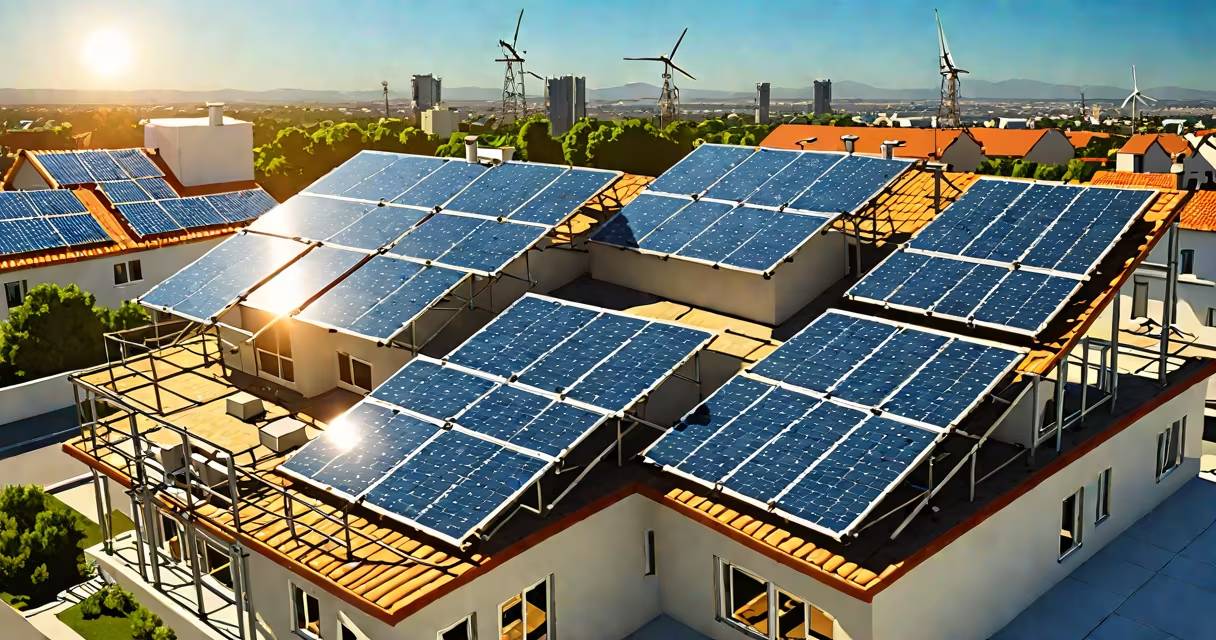
A sustainable energy source generates power without depleting natural resources or causing long-term environmental harm. These sources rely on replenishable inputs like sunlight, wind, water flow, or organic matter, and they emit little to no greenhouse gases during operation. Unlike fossil fuels, which take millions of years to form and release carbon when burned, sustainable sources maintain ecological balance over time.
Sustainable energy sources operate on cycles that naturally renew themselves. Solar energy captures photons from the sun, which will continue to shine for billions of years. Wind energy uses atmospheric movement driven by solar heating. Hydropower relies on the water cycle, powered by evaporation and precipitation. Biomass energy converts plant and animal waste into usable fuel, completing a biological loop. All these systems avoid the finite extraction associated with coal, oil, and gas.
The International Renewable Energy Agency (IRENA) defines sustainable energy as "energy that meets current needs without compromising future generations' ability to meet theirs." This aligns with the UN's Sustainable Development Goal 7: affordable and clean energy for all. A source qualifies as sustainable only if it maintains resource availability, minimizes pollution, and supports social equity in access and deployment.
Each sustainable energy source functions through a physical process that converts natural flows into electricity or heat. Solar photovoltaic cells absorb sunlight and generate direct current via the photoelectric effect. Wind turbines capture kinetic energy from moving air, spinning a generator to produce alternating current. Hydropower plants channel flowing water through turbines, turning mechanical energy into electrical output. Geothermal systems tap underground heat to drive steam turbines.
Biomass energy involves burning organic material-such as wood chips, crop residues, or animal manure-to produce heat or electricity. Modern systems often use gasification or anaerobic digestion to convert biomass into biogas, which burns cleaner than raw fuel. These processes reduce reliance on land-intensive crops and prevent waste from decomposing in landfills, where it emits methane.
Grid integration remains a challenge. Solar and wind are intermittent-sunlight and wind don't always align with demand. Battery storage, smart grids, and hybrid systems help balance supply and load. For example, a solar farm in California pairs with lithium-ion batteries to deliver power during evening hours, reducing dependence on fossil-fueled peaker plants.
Energy sources fall into distinct categories based on their input, conversion method, and scalability. The table below outlines major types, their typical applications, and average efficiency rates.
| Type | Input Source | Typical Output | Average Efficiency | Use Case Example |
|---|---|---|---|---|
| Solar | Direct sunlight | Electricity (PV), thermal heat | 15-22% | Residential rooftop arrays in Arizona |
| Wind | Atmospheric wind currents | Electricity | 35-45% | Offshore wind farms near Denmark |
| Hydropower | River flow or dammed water | Electricity | 85-90% | Three Gorges Dam in China |
| Biomass | Organic waste, dedicated crops | Heat, electricity, biofuels | 20-35% | Wood-fired power plant in Sweden |
| Geothermal | Subsurface heat from Earth's core | Electricity, direct heating | 10-15% | Power plant in Iceland |
Efficiency varies widely due to location, technology maturity, and system design. Solar panels in high-insolation regions like Nevada achieve higher yields than those in cloudy areas like Scotland. Offshore wind farms benefit from stronger, steadier winds compared to onshore sites. Hydropower efficiency remains high because water pressure is predictable and consistent.
Some people assume all renewable energy is automatically sustainable. That's incorrect. While renewables include solar and wind, not all forms of renewable energy meet sustainability criteria. For example, large-scale hydropower dams can disrupt river ecosystems, displace communities, and emit methane from flooded vegetation. The World Commission on Dams found that 60% of large dams studied caused significant environmental or social harm.
Another misconception is that biomass energy is carbon-neutral. Burning wood releases CO₂ immediately, while regrowing forests takes decades. A 2022 study by the European Environment Agency showed that using whole trees for energy results in net carbon increases for 20-50 years. Only waste-based biomass-like agricultural residues or sewage sludge-can reliably claim low carbon impact.
Even solar panels have hidden costs. Manufacturing silicon-based PV cells requires energy-intensive processes and rare minerals like silver and indium. Recycling programs are still developing. According to the U.S. Department of Energy, only 10% of U.S. solar panels were recycled in 2023. Proper end-of-life management is essential for long-term sustainability.
In 2021, the town of Greensburg, Kansas, installed a 1.2 megawatt solar range on a former landfill site. The project replaced a coal-fired plant that had operated since 1955. The solar facility powers 300 homes annually and reduces CO₂ emissions by 1,400 metric tons per year-equivalent to removing 300 cars from the road.
Key factors in success included federal tax credits, local government incentives, and community ownership. Residents bought shares in the project, receiving rebates on their electric bills. Over five years, the cooperative saved $2.1 million in energy costs. Maintenance costs averaged $0.02 per kilowatt-hour, well below the national average for fossil-based generation.
This project demonstrates that a sustainable energy source must be technically viable, economically sound, and socially accepted. It also shows that repurposing degraded land-like closed landfills-can improve sustainability by avoiding greenfield development.
Understanding what is a sustainable energy source means recognizing that sustainability isn't just about emissions-it includes resource use, land impact, waste handling, and equitable access. The goal is not merely to replace fossil fuels, but to build energy systems that endure without eroding the planet's capacity to support life.