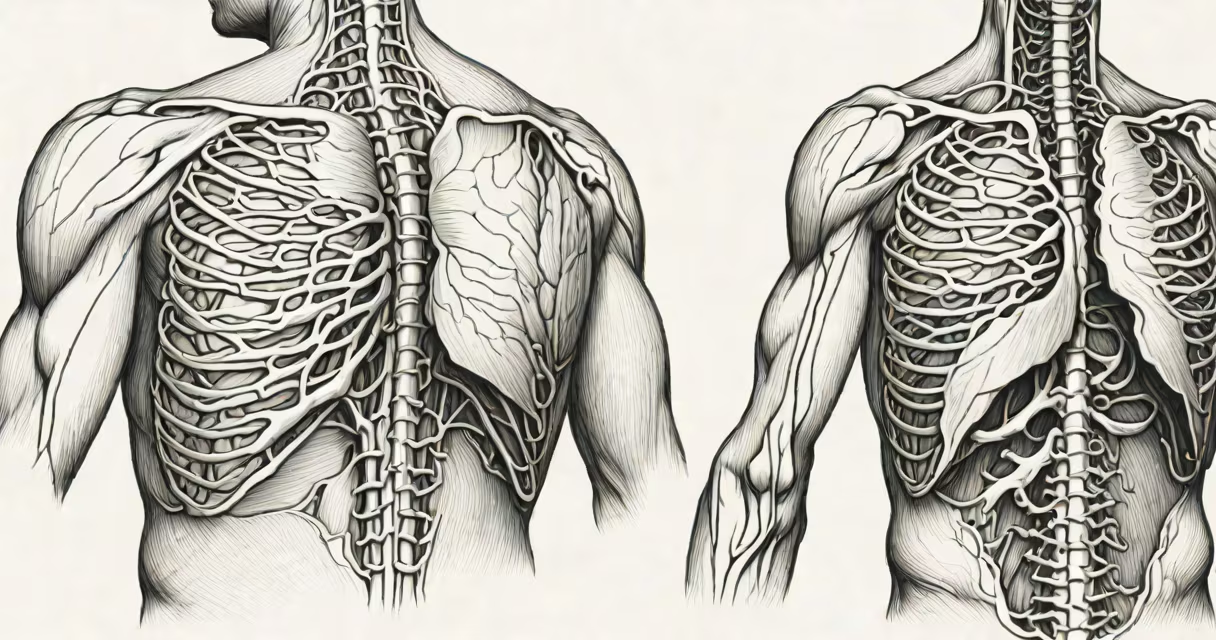
The left side of the human body contains several important internal organs, including the spleen, left kidney, part of the liver, and segments of the pancreas. These organs play essential roles in digestion, blood filtration, and metabolic regulation.
Left body organs are positioned within the abdominal and thoracic cavities. They are protected by the rib cage and supported by connective tissues and muscles. Their placement allows efficient interaction with surrounding systems, such as the circulatory and nervous networks.
Understanding left body organs requires distinguishing between structural location and functional role. For example, while the heart sits slightly left of center, it is not entirely on the left side. The majority of left body organs lie within the left upper quadrant of the abdomen.
Each organ on the left side performs specific physiological tasks. The spleen filters old red blood cells and supports immune response. The left kidney regulates electrolyte balance, controls blood pressure via renin release, and removes waste products through urine formation. The left lobe of the liver processes fats, detoxifies substances, and synthesizes proteins like albumin.
The pancreas, though centrally located, extends into both the left and right upper quadrants. Its tail lies near the spleen and produces digestive enzymes and insulin. Dysfunction in any of these organs can lead to systemic issues-such as anemia from spleen failure or hypertension from impaired kidney function.
A 2021 study published in *The American Journal of Physiology* confirmed that the left kidney maintains higher filtration efficiency during dehydration due to asymmetric blood flow distribution. This highlights that anatomical positioning influences performance, not just structure.
Key organs on the left side include:
These organs work in concert with others. For instance, the spleen's removal (splenectomy) increases risk of sepsis from encapsulated bacteria like *Streptococcus pneumoniae*. The Centers for Disease Control and Prevention (CDC) recommends pneumococcal vaccination for individuals who have undergone splenectomy.
Many assume the heart is fully on the left side. In reality, it straddles the midline-the apex points left, but the base is centered. This misperception often leads to confusion in medical imaging and self-assessment.
Another frequent error is equating left-sided pain with left body organ disease. For example, pain under the left rib cage may stem from costochondritis (rib inflammation), not spleen or kidney issues. A 2019 review in *BMJ Clinical Evidence* noted that only 30% of patients with left upper quadrant pain had actual organ pathology.
The left kidney is typically larger and positioned slightly lower than the right due to the liver's presence on the right side. This asymmetry affects surgical planning and ultrasound interpretation.
| Organ | Primary Function | Typical Location |
|---|---|---|
| Spleen | Blood filtration, immune activation | Left upper quadrant, behind the 9th-11th ribs |
| Left kidney | Waste excretion, fluid/electrolyte balance | Left retroperitoneal space, below the diaphragm |
| Left lobe of liver | Fat metabolism, protein synthesis | Right side dominates, but left lobe handles 20% of total function |
| Pancreatic tail | Enzyme and hormone secretion | Behind the stomach, near the spleen |
These organs are not isolated. The spleen receives oxygenated blood from the splenic artery, which branches off the celiac trunk. The left kidney drains into the left renal vein, which joins the inferior vena cava. Such vascular connections ensure coordinated function.
In 2022, a 45-year-old patient presented with persistent left upper quadrant pain. Initial imaging showed a 6 cm mass near the spleen. Biopsy revealed lymphoma. Without recognizing the spleen's role in immune surveillance, the diagnosis would have been delayed.
This case illustrates that symptoms localized to the left side do not automatically indicate organ dysfunction. A thorough evaluation-including blood tests, CT scans, and clinical history-is necessary. The National Institute of Diabetes and Digestive and Kidney Diseases (NIDDK) emphasizes that abdominal pain evaluation must consider both organ-specific and systemic causes.
I once observed a medical student misidentify a splenic cyst as a tumor during a radiology rotation. The lesion was benign and asymptomatic. This reinforced the need for accurate anatomical knowledge when interpreting scans.