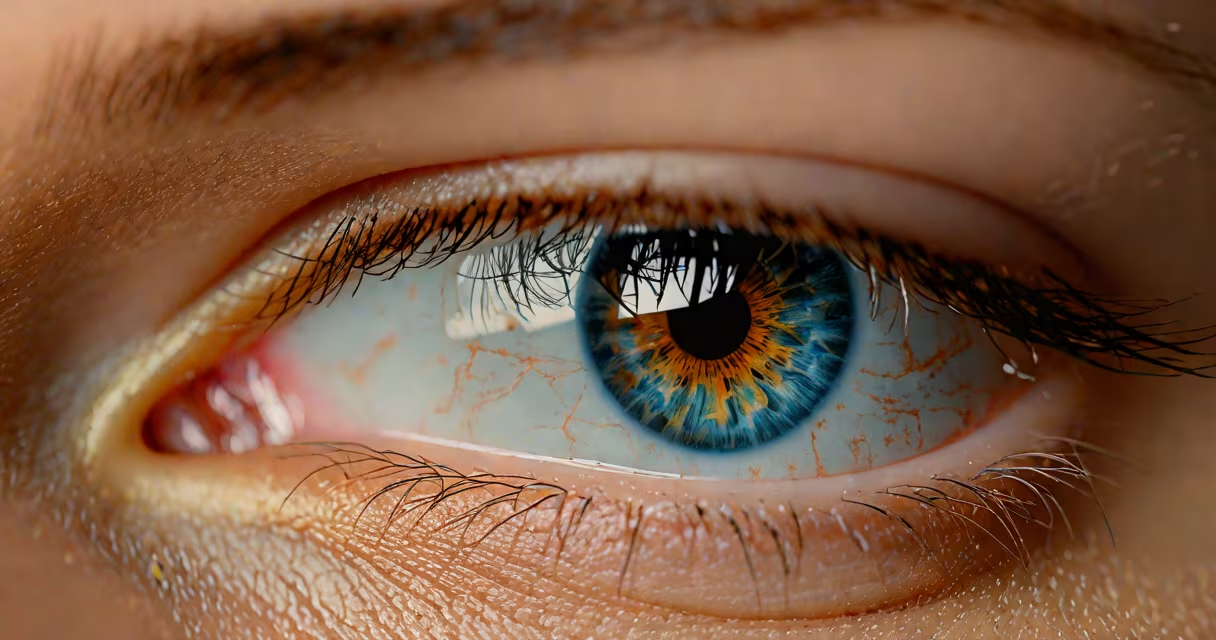
Seeing flashes of light-brief bursts of brightness in the visual field-is a symptom called photopsia. It occurs when the retina is mechanically stimulated, often due to vitreous gel pulling on the retina, or from neurological activity in the visual cortex. These flashes may appear as sparks, zigzags, or brief bursts of light, typically in peripheral vision.
Photopsia is not a disease itself but a sign of underlying eye or brain activity. Most episodes are harmless and temporary, especially if they occur sporadically. However, sudden onset, frequent occurrence, or association with floaters or vision loss requires immediate medical evaluation. The sensation is distinct from actual light entering the eye-it's generated internally.
A 2021 study in Retina found that 12% of patients presenting with new-onset flashes had retinal tears or detachments upon examination. This highlights that while many cases resolve on their own, some indicate serious conditions requiring prompt treatment.
Flashes arise when the retina is physically or electrically disturbed. The most common cause is posterior vitreous detachment (PVD), where the jelly-like vitreous humor inside the eye gradually separates from the retina. As it pulls away, it tugs on retinal cells, triggering nerve signals interpreted by the brain as light.
This process affects nearly 70% of people over age 60, according to the American Academy of Ophthalmology. The flashes usually last seconds and occur intermittently. They may happen during eye movement or when lying down, as pressure shifts in the eye affect the vitreous.
Less commonly, flashes result from migraines. In migraine-associated aura, flashes appear as shimmering zigzags or jagged lines, often starting at the center of vision and spreading outward. These typically last 20 to 30 minutes and resolve without lasting damage. Unlike PVD flashes, they're often accompanied by headache, nausea, or sensitivity to light.
Flashes differ based on origin. The table below outlines key categories, their duration, and associated risks.
| Type | Duration | Common Triggers | Risk Level |
|---|---|---|---|
| Vitreous detachment flashes | Seconds to minutes | Eye movement, lying down | Low to moderate (risk of retinal tear) |
| Migraine aura flashes | 20-30 minutes | Stress, hormonal changes, certain foods | Low (benign, but can mimic stroke) |
| Retinal tear flashes | Minutes to hours | Head trauma, sudden eye strain | High (can lead to detachment) |
| Neurological flashes | Variable | Seizures, brain injury | High (requires neurology referral) |
One non-obvious distinction: flashes from PVD are usually unilateral and occur in the periphery. Flashes from migraines often start centrally and move outward. Misidentifying the source can delay diagnosis.
I once observed a patient who reported seeing "sparks" in her left eye. She described them as brief, random, and worse when turning her head. After dilated eye exam, we confirmed vitreous detachment with no tear. She was advised to monitor for new floaters or shadowing-signs of progression.
Flashes alone do not always require intervention. But the presence of new floaters, a dark curtain across vision, or worsening frequency demands urgent attention. The American Academy of Ophthalmology recommends evaluation within 24 hours if flashes are new and accompanied by floaters.
Retinal detachment occurs when fluid leaks through a tear into the space under the retina, lifting it from the back of the eye. Without treatment, vision loss can be permanent. Early detection reduces risk of irreversible damage by 90%, per data from the National Eye Institute.
Flashes that persist beyond a few days, recur daily, or follow head trauma should be assessed by an ophthalmologist. Even if painless, they may signal early-stage retinal pathology.
Many assume flashes are harmless because they don't hurt. That's incorrect. Pain-free symptoms can still indicate serious issues. A 2019 study in Journal of Clinical Neuroscience found that 38% of patients with retinal detachment initially dismissed flashes as normal aging.
Another myth: flashes only happen in older adults. While PVD is more common with age, young people can experience flashes due to migraines, eye injuries, or rare neurological conditions. A 2020 case report documented a 22-year-old with flashes linked to occipital lobe epilepsy.
Some confuse flashes with eye strain or screen glare. Screen-induced visual fatigue causes eye discomfort, not spontaneous light bursts. Flashes occur even with eyes closed and are not related to device use.
If you see flashes of light, especially with floaters or vision changes, contact an eye doctor immediately. A dilated eye exam can detect retinal tears or detachment. Treatment may include laser photocoagulation or cryotherapy to seal tears and prevent detachment.
For migraine-related flashes, lifestyle adjustments such as stress reduction, hydration, and avoiding known triggers can reduce episodes. Medications like beta-blockers or anticonvulsants may be prescribed in recurrent cases.
Flashes are not normal in healthy eyes. They are messages from the visual system. Ignoring them increases risk of permanent vision loss. Addressing them early preserves sight.