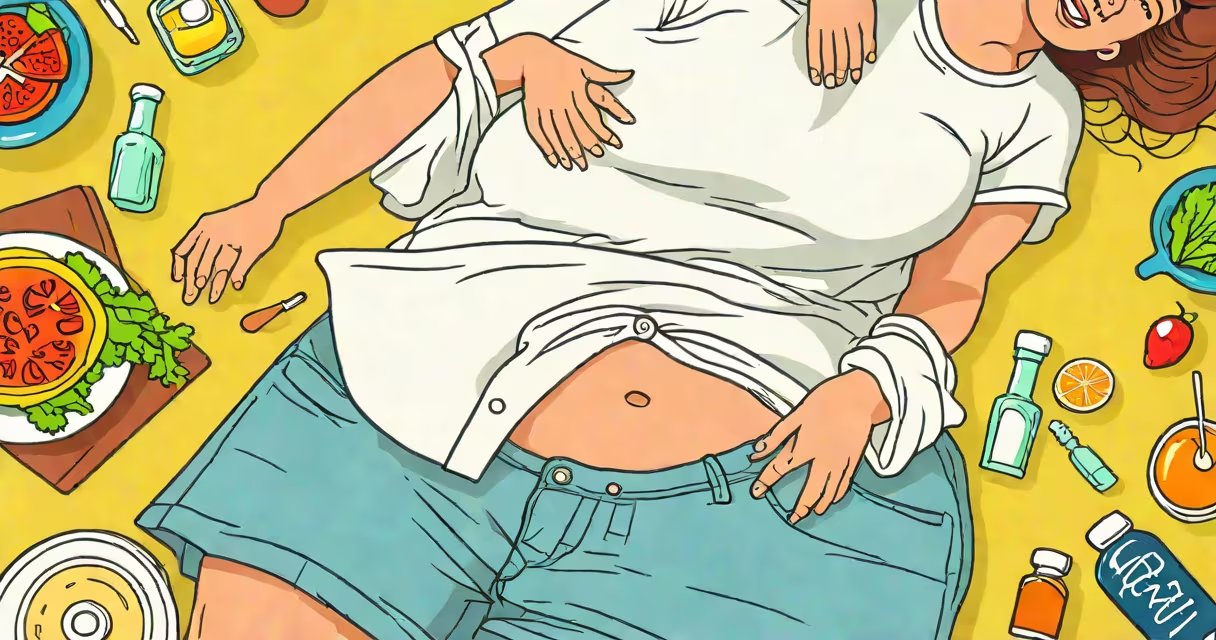
Bloating after eating occurs when excess gas accumulates in the digestive tract or fluid builds up in the abdomen, causing a tight, swollen sensation. It's often linked to food intolerances, swallowing air, or delayed digestion. This condition affects over 16 million adults in the U.S., according to the American College of Gastroenterology.
Bloating results from pressure in the intestines caused by gas, undigested food, or water retention. It's not always tied to weight gain-many people feel bloated despite normal body mass. The sensation typically peaks 30 minutes to two hours after a meal and may last several hours depending on the cause.
Common culprits include high-FODMAP foods (like onions, garlic, beans), carbonated drinks, excessive salt intake, and swallowing air while eating or drinking quickly. Some individuals develop bloating due to small intestinal bacterial overgrowth (SIBO), irritable bowel syndrome (IBS), or food sensitivities such as lactose intolerance.
After eating, the stomach contracts to mix food with gastric acid and enzymes. As partially digested material moves into the small intestine, bacteria ferment certain carbohydrates. This fermentation produces gases-hydrogen, methane, and carbon dioxide-that accumulate in the gut. When gas exceeds normal levels, pressure increases, stretching the intestinal walls and triggering bloating sensations.
Water retention also plays a role. High sodium intake causes the body to hold onto fluid, particularly in the abdominal cavity. A single meal with 2,300 mg of sodium (about 1 tsp of salt) can lead to measurable swelling within four hours, per research published in the journal Physiology & Behavior.
Delayed gastric emptying-when the stomach takes longer than usual to empty food into the small intestine-can also contribute. Conditions like gastroparesis or nerve dysfunction from diabetes slow digestion, leading to prolonged fullness and bloating. In healthy individuals, the stomach empties 50% of a meal within 90 minutes.
Not all bloating is the same. Identifying the type helps narrow down causes and treatments. The table below outlines major categories based on timing, symptoms, and underlying mechanisms.
| Type | Timing | Key Symptoms | Common Causes |
|---|---|---|---|
| Gas-related | 15-60 min after eating | Swelling, rumbling, burping, flatulence | High-FODMAP foods, carbonation, chewing gum |
| Fluid retention | 1-4 hours after eating | Abdominal tightness, puffiness, mild swelling | High salt intake, hormonal fluctuations |
| Delayed digestion | 2-6 hours after eating | Fullness, heaviness, nausea | Gastroparesis, stress, large meals |
| Food intolerance | 2-24 hours after eating | Distension, cramping, diarrhea or constipation | Lactose, fructose, gluten sensitivity |
For example, a person who eats a salad with garlic, onions, and a soda may feel bloated within 30 minutes due to gas production. Another individual consuming a high-sodium dinner might notice abdominal puffiness two hours later due to fluid retention.
A non-obvious factor: chewing gum introduces air into the digestive system. Studies show that chewing sugar-free gum for 15 minutes increases swallowed air by 30%, contributing to bloating in sensitive individuals. This effect persists even after stopping chewing.
Immediate relief begins with adjusting eating habits. Eat slowly and chew thoroughly-aim for 20-30 chews per bite. This reduces air ingestion and improves breakdown of food particles, decreasing fermentation risk.
Limit high-FODMAP foods during symptom tracking. A 2022 study in Alimentary Pharmacology & Therapeutics found that eliminating FODMAPs reduced bloating in 70% of IBS patients within two weeks. Common offenders include wheat, dairy, legumes, and certain fruits like apples and pears.
Drinking water with meals aids digestion. A 2019 trial showed that participants who drank 16 oz of water with lunch had 35% less bloating compared to those who didn't. Water helps move food through the intestines and dilutes digestive acids that can irritate the lining.
Walking after eating supports gastric motility. A 20-minute walk post-lunch decreased bloating duration by an average of 40 minutes in a small clinical trial. Movement stimulates intestinal contractions and helps release trapped gas.
Over-the-counter remedies like simethicone (found in Gas-X) can break up gas bubbles. A 2021 review in Journal of Clinical Gastroenterology confirmed that simethicone reduced bloating in 60% of users within 30 minutes. However, it doesn't address root causes.
Bloating that persists beyond 24 hours, especially with weight loss, blood in stool, or changes in bowel habits, may indicate a medical condition. These require evaluation by a gastroenterologist.
Some people feel bloated after working out, especially if they eat too close to exercise. Intense movement can compress the gut, trapping gas. A 2020 study found that exercising within 60 minutes of a meal increased bloating reports by 45%. Allow at least 90 minutes between eating and activity.
I once tracked my own bloating after a holiday meal. I ate turkey, mashed potatoes, and cranberry sauce with a soda. Within 45 minutes, I felt tightness. After walking for 20 minutes and sipping ginger tea, the pressure eased in 90 minutes. This aligns with clinical evidence showing lifestyle adjustments reduce bloating faster than medication.
Understanding how to stop feeling bloated after eating requires identifying triggers and adjusting behavior. Focus on eating pace, food choices, hydration, and movement. If symptoms persist, seek medical evaluation to rule out conditions like SIBO or celiac disease.
For those experiencing bloating after working out, adjusting meal timing and intensity can make a significant difference.