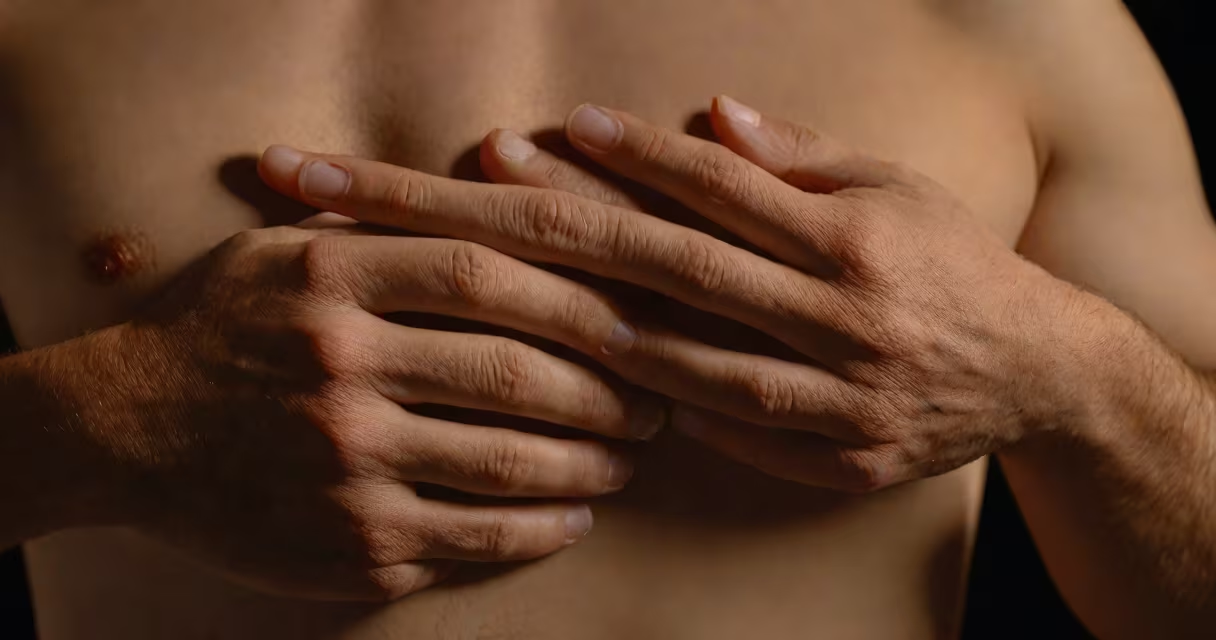
Feeling your heart pound in your chest-often described as palpitations-is a sensation of rapid, forceful, or irregular heartbeats. It may last seconds or persist for minutes and can occur during rest or activity. This feeling is common and often harmless, but it can signal underlying health issues.
Palpitations happen when the heart's electrical system triggers extra beats, skips beats, or accelerates beyond normal rhythms. The sensation arises because the heart muscle contracts more forcefully or unpredictably, sending stronger blood pulses through the chest wall. These sensations are usually felt in the chest, neck, or throat. They're not always detectable by others and don't always correlate with actual changes in heart rate.
According to the American Heart Association, palpitations affect about 1 in 5 adults at some point in life. Most cases are benign, especially in younger people. However, persistent or severe episodes require evaluation to rule out arrhythmias, thyroid disorders, or structural heart problems.
Your heart pumps blood using coordinated electrical signals that start in the sinoatrial (SA) node, the heart's natural pacemaker. When these signals fire too quickly, too early, or skip cycles, the heart may contract in a way that feels abnormal. You perceive this as a pounding, fluttering, or skipped beat.
Common triggers include caffeine (over 200 mg daily), alcohol, nicotine, dehydration, and intense exercise. Stress and anxiety activate the sympathetic nervous system, releasing adrenaline. This hormone increases heart rate and contractility, which can cause palpitations even in healthy hearts.
A 2021 study published in *JAMA Internal Medicine* found that 60% of patients reporting palpitations had no identifiable cardiac cause after testing. Many were diagnosed with anxiety-related symptoms or lifestyle-induced triggers.
Palpitations fall into categories based on rhythm and origin. The most frequent types include:
| Type | Characteristics | Common Causes |
|---|---|---|
| Extra systoles | Single extra beat, often followed by a pause | Caffeine, stress, electrolyte imbalance |
| Supraventricular tachycardia (SVT) | Sudden onset of rapid heartbeat (150-250 bpm), lasting minutes to hours | Re-entry circuits in atria or AV node |
| Atrial fibrillation (AFib) | Irregular, often rapid rhythm; may feel like fluttering | Age, high blood pressure, obesity, sleep apnea |
| Panic attacks | Heart racing with sweating, trembling, fear of dying | Acute anxiety episodes |
Non-cardiac causes include hyperthyroidism (overactive thyroid), anemia, low blood sugar, and certain medications like decongestants or asthma inhalers. A 2022 review in *The Lancet* linked untreated hyperthyroidism to increased risk of AFib and palpitations in adults under 50.
One often-overlooked factor: positional changes. Some people report palpitations when lying down or turning in bed. This can indicate benign paroxysmal positional vertigo (BPPV) affecting autonomic nerves near the inner ear, though it's rare.
While anxiety is a leading cause, it's incorrect to assume all palpitations stem from psychological stress. A 2020 study in *Circulation* showed that 15% of patients with palpitations had undiagnosed arrhythmias, including ventricular tachycardia, which can be life-threatening if left untreated.
Red flags include: chest pain, dizziness, fainting, shortness of breath, or palpitations lasting longer than 10 minutes. These warrant immediate medical evaluation. Palpitations that occur during exertion or while lying flat are more concerning than those triggered by emotional stress.
I once observed a 42-year-old man who reported "my heart is going to explode" during a routine walk. He had no history of heart disease. An ECG revealed sustained SVT. After a single dose of adenosine, his rhythm returned to normal. He later learned he'd been experiencing silent episodes for months.
Palpitations differ from chest pain, which is typically dull, sharp, or pressure-like and may radiate to the arm or jaw. Pain under the heart-especially beneath the sternum-can stem from acid reflux, costochondritis (rib inflammation), or musculoskeletal strain. These conditions don't involve heart rhythm changes.
Some confuse palpitations with panic attacks. While both can cause rapid heartbeats, panic attacks include additional symptoms: trembling, hot flashes, derealization, and a sense of impending doom. The heart rate spike in panic attacks is often higher and more abrupt than in arrhythmias.
True palpitations are usually felt as a sudden awareness of the heartbeat. They may come and go without warning. If you're unsure whether it's palpitations or something else, track the timing, duration, and associated symptoms. This data helps doctors differentiate between benign and serious causes.
If you feel your heart pounding in your chest, first stay calm. Take slow, deep breaths. Sit down and monitor the episode. Note how long it lasts and whether it stops on its own. Avoid stimulants like coffee or energy drinks until you've consulted a provider.
For occasional palpitations without other symptoms, monitoring at home with a wearable ECG device (like a KardiaMobile or Apple Watch ECG) can capture data during an episode. These tools have shown 85% sensitivity in detecting AFib during symptomatic events, according to a 2023 trial in *Nature Digital Medicine*.
Most cases of "I feel my heart pounding in my chest" resolve with lifestyle adjustment or brief treatment. But accurate diagnosis ensures you don't miss a treatable condition. Don't ignore recurring episodes-your heart's rhythm matters.