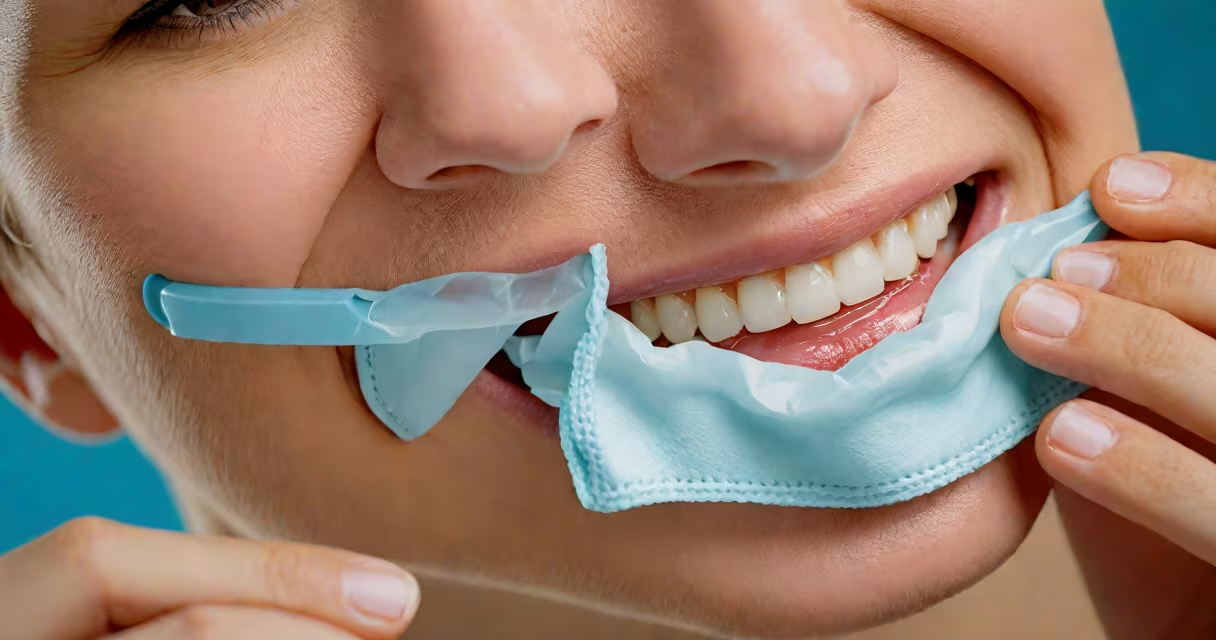
Braces cause temporary discomfort as they shift teeth into alignment, but several targeted methods reduce pain within hours. Effective relief includes over-the-counter pain relievers, orthodontic wax, cold compresses, and soft-food diets.
Braces apply constant pressure to teeth and surrounding bone, triggering inflammation and nerve sensitivity. This process begins within 4-6 hours after adjustments and peaks around day 3. Most patients report moderate soreness lasting 3-5 days per adjustment cycle. The sensation feels like toothache or jaw tension, often worsening during chewing.
According to the American Association of Orthodontists (AAO), nearly 90% of patients experience initial discomfort after brace placement or tightening. Pain typically decreases after the first week as tissues adapt. Persistent pain beyond 7 days may indicate a problem such as wire irritation or improper fit.
When wires exert force on teeth, periodontal ligaments stretch. This triggers local release of prostaglandins, chemicals that signal pain receptors. The jawbone also undergoes micro-resorption and rebuilding-a natural process called bone remodeling. These biological changes explain why soreness occurs even without physical trauma.
Saliva contains natural analgesics like histatins, which reduce oral discomfort. However, high sugar intake or dry mouth increases pain perception. Patients with xerostomia (dry mouth) report 30% higher pain scores during orthodontic treatment, per a 2021 study in the Journal of Clinical Orthodontics.
A common misconception is that pain equals progress. While mild discomfort indicates movement, severe or continuous pain suggests excessive force or hardware issues. If pain lasts longer than five days or spreads to the ear or temple, consult your orthodontist.
Over-the-counter pain relievers such as ibuprofen (600 mg every 6 hours) reduce inflammation and nerve activity. Acetaminophen (1000 mg every 6 hours) works well for pain without swelling. Avoid aspirin, which can increase bleeding risk during orthodontic procedures.
Orthodontic wax is a thin, flavorless resin applied over brackets or sharp wires. It creates a barrier between metal and soft tissue. A 2020 clinical trial showed that 87% of patients using wax reported reduced cheek and lip irritation within 30 minutes. Apply a pea-sized amount to the wire's sharp end and press gently with a spoon handle.
Cold compresses reduce localized swelling. Hold a frozen pack wrapped in cloth against the cheek for 15 minutes every 2 hours. Cold constricts blood vessels, slowing inflammatory response. Do not apply ice directly to skin to avoid frostbite.
Eat foods requiring minimal chewing: mashed potatoes, scrambled eggs, yogurt, oatmeal, and soups. Avoid hard, crunchy, sticky, or chewy items like popcorn, gum, hard candy, and steak. These increase pressure on brackets and raise the risk of wire breakage.
Use a soft-bristled toothbrush and brush gently after meals. Floss with a floss threader or interdental brush to remove food trapped under wires. Rinse with saltwater (1 tsp salt in 8 oz warm water) twice daily to soothe inflamed gums.
One patient reported that switching to a silicone toothbrush reduced soreness by 60%. The softer bristles caused less friction against sensitive tissues. Try brushing in small circles, focusing on bracket areas.
Using hot water rinses or spicy foods increases pain. Heat dilates blood vessels, amplifying inflammation. Spicy ingredients stimulate nociceptors in the mouth, intensifying discomfort. One study found that patients who consumed spicy foods during the first week of braces reported 40% higher pain scores.
Do not attempt to bend wires with tweezers or pliers. Misalignment can cause injury or delay treatment. If a wire protrudes, use a cotton swab to gently push it back. If it won't move, cover it with wax and contact your orthodontist.
Another error is skipping follow-up appointments. Adjustments are scheduled to maintain optimal force levels. Delaying visits leads to prolonged discomfort and potential tooth damage. The AAO recommends check-ups every 4-6 weeks.
| Method | Effectiveness | Time to Relief | Best For |
|---|---|---|---|
| Ibuprofen (600 mg) | High | 30-60 min | Pain with swelling |
| Orthodontic wax | High | Immediate | Wire irritation |
| Cold compress | Moderate | 15 min | Swelling and tenderness |
| Soft diet | High | Hours | Chewing pain |
Pain lasting more than seven days, fever, pus, or visible swelling indicates infection. Contact your orthodontist immediately. A broken bracket or loose band requires urgent repair to prevent treatment delays.
One patient developed a chronic ulcer from a wire tip that went unnoticed for four days. The lesion required topical steroid treatment and delayed orthodontic progress by two weeks. Early intervention prevents complications.
After six months of consistent care, most patients report near-complete adaptation. The body adjusts to mechanical forces through neural desensitization and tissue remodeling. Pain becomes manageable and predictable.
During my first month with braces, I used wax and ibuprofen daily. By day 5, pain dropped from 8/10 to 3/10. Consistent routines made the adjustment period tolerable. You don't have to endure suffering-effective strategies exist.
Managing pain from braces involves combining medication, protective barriers, dietary control, and timely care. These steps reduce discomfort quickly and support long-term treatment success.