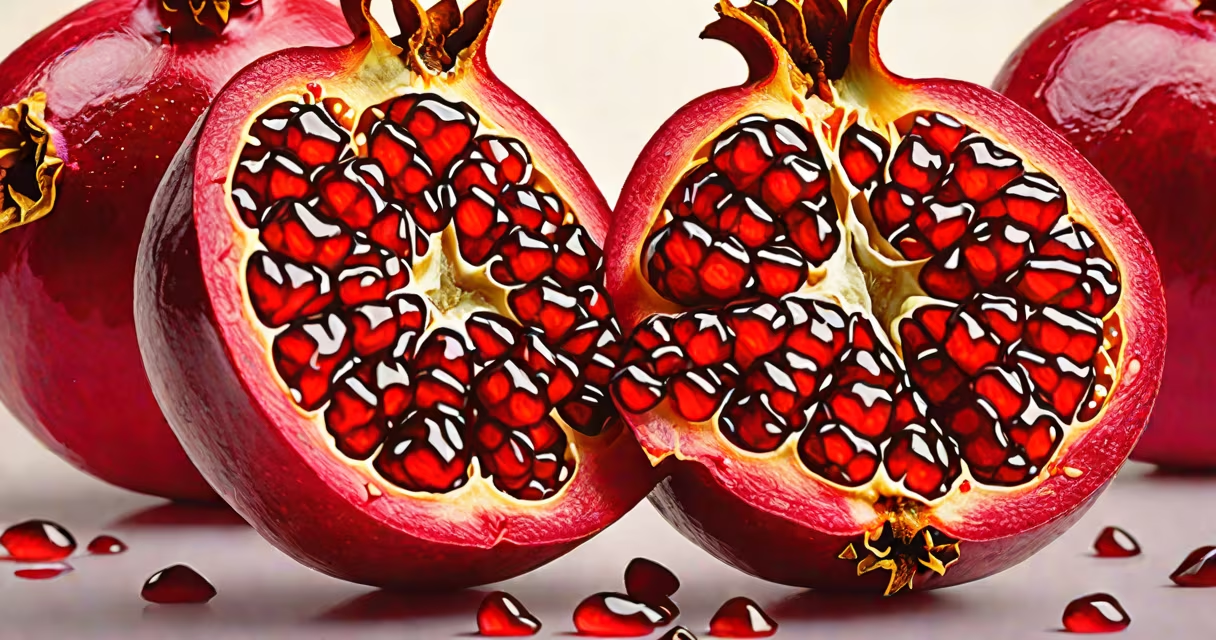
Opening a pomegranate involves separating the arils-the juicy, edible seeds-from the tough white membrane and inedible husk. The most effective methods are the water submersion technique or slicing and prying apart the fruit's compartments.
The water method reduces mess and preserves seed integrity. Submerge the whole fruit in a bowl of cold water, then score the skin and break it apart underwater. The arils sink while the membranes float, allowing easy separation. This technique is favored by chefs and home cooks alike for its precision and cleanliness.
Alternatively, the traditional cut-and-pull method requires slicing the pomegranate into sections and gently pulling the seeds free by hand. While slightly more hands-on, it works well for small batches and doesn't require a sink or bowl. Both methods yield clean, intact arils ideal for salads, desserts, or juicing.
Submerging the pomegranate in water leverages density differences. Arils are denser than water and sink; the fibrous white membranes float. This physical separation makes cleanup effortless and prevents seeds from getting crushed during retrieval.
To begin, fill a large bowl with cold water. Place the whole pomegranate in the water. Score the fruit's rind along the equator with a knife-about 6 to 8 cuts. Gently pry the fruit apart with your fingers. As you do, the segments will loosen and release their arils.
Once opened, stir the water gently. The arils will settle at the bottom. Carefully pour off the floating membranes and foam. Drain the bowl and rinse the seeds under cold water to remove any remaining pulp. Pat dry with a paper towel or use a salad spinner.
This method relies on manual dexterity and patience. Start by placing the pomegranate on a cutting board. Use a sharp knife to slice off the crown-the dried stem end. Then make 4 to 6 vertical cuts through the skin, following the natural ridges.
Hold the fruit over a bowl and gently tap the back of each segment with the handle of a spoon. The arils will pop out and fall into the bowl. You can also use your fingers to pull the seeds free, though this risks breaking them.
For best results, work over a bowl lined with a fine-mesh strainer. This catches any seeds that escape and allows you to drain excess liquid quickly. The method is faster than the water technique for single fruits but produces more waste and mess.
Pomegranates come in several varieties, but only two are common in US markets: the 'Wonderful' and the 'Grande.' The 'Wonderful' variety has deep red flesh and high juice content, making it ideal for juicing and garnishing. The 'Grandé' is larger and sweeter, often used in fresh fruit bowls.
| Type | Flesh Color | Best For | Seed Yield |
|---|---|---|---|
| Wonderful | Deep red | Juice, salad, garnish | High (60-70%) |
| Grandé | Light red to pink | Snacking, desserts | Medium (50-60%) |
'Wonderful' pomegranates are widely available in grocery stores, especially from October to January. They're also the standard used in commercial juice production. According to the USDA, a single pomegranate contains about 600 to 800 arils, depending on size.
Many people assume that pomegranates must be peeled with a knife or that they're too messy to handle. This leads to frustration and wasted fruit. A key correction: the rind is not edible, but the arils are safe to eat raw and retain nutrients when handled properly.
Another misconception is that pomegranate juice must be freshly squeezed. Commercial brands like POM Wonderful use pasteurization to preserve shelf life. However, freshly extracted juice retains higher levels of antioxidants, including punicalagins, which are linked to reduced inflammation.
A non-obvious fact: the white membrane surrounding the arils contains tannins, which can cause a bitter taste if consumed in large amounts. Removing it completely ensures a pleasant flavor profile. The water method excels here because it naturally separates the arils from the membrane.
After opening a pomegranate, use the arils in dishes like tabbouleh, grain bowls, or as a topping for goat cheese crostini. A single medium-sized pomegranate yields about 1 cup of arils-enough for two servings of a salad or one cocktail.
For example, to make a pomegranate vinaigrette: combine 1/4 cup pomegranate juice, 2 tablespoons olive oil, 1 teaspoon Dijon mustard, and a pinch of salt. Whisk until emulsified. Drizzle over mixed greens or grilled chicken.
I've used the water method in my kitchen for years. Once, I opened five pomegranates at once for a holiday appetizer. The water method kept my counters clean and saved me nearly 20 minutes compared to the traditional method. The seeds stayed intact and looked jewel-like on the platter.
While efficient, the water method isn't ideal for very soft or overripe pomegranates. These may leak juice during submersion, leading to staining and difficulty in separating seeds. In such cases, the cut-and-pull method offers better control.
If you're preparing pomegranate seeds for freezing, the water method introduces extra moisture. To prevent clumping, pat seeds dry thoroughly before spreading them on a parchment-lined tray and freezing for 2 hours before transferring to a sealed container.