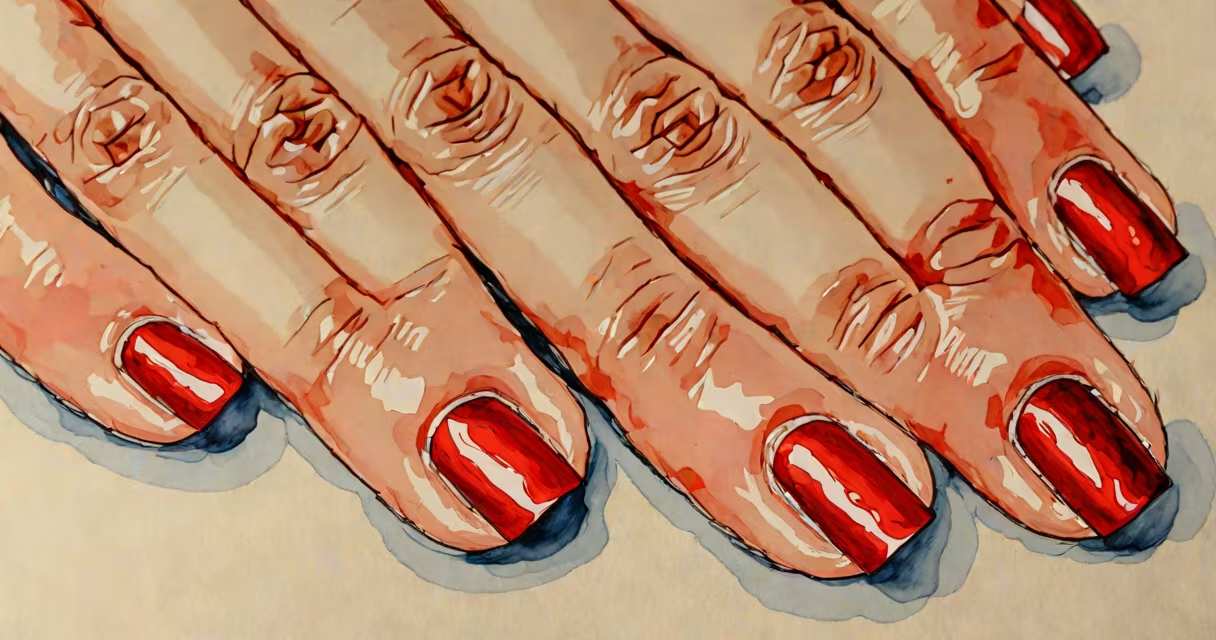
A swollen cuticle indicates localized inflammation, usually caused by trauma, infection, or underlying health conditions affecting the nail fold. It's not normal to have persistent swelling around the nail base, especially if accompanied by pain, warmth, or pus.
The cuticle is a thin layer of skin protecting the nail matrix-the area where new nail cells form. When damaged or infected, it swells as part of the body's immune response. Common triggers include aggressive manicures, biting, or exposure to harsh chemicals. Left untreated, swelling may progress to paronychia, a bacterial or fungal infection of the nail fold.
According to the American Academy of Dermatology, acute paronychia affects approximately 1 in 10 people annually, with most cases originating from minor skin breaches. The condition typically presents with redness, tenderness, and swelling near the nail edge, often worsening within 24-48 hours.
When the cuticle is injured-through nail biting, picking, or using sharp tools-the skin barrier breaks. Bacteria such as Staphylococcus aureus or fungi like Candida albicans enter the wound. The immune system responds by sending white blood cells to the site, increasing fluid and causing visible swelling.
Pain and heat often accompany early-stage swelling. As infection progresses, pus may collect under the cuticle, forming a visible abscess. This stage is known as purulent paronychia and requires medical intervention. Delaying treatment increases the risk of chronic infection or permanent nail deformity.
Non-infectious causes include allergic contact dermatitis from nail products, eczema, or psoriasis. These conditions cause dry, flaky, and swollen skin around the nail but do not produce pus. A 2021 study in the Journal of the European Academy of Dermatology and Venereology found that 18% of patients with chronic nail fold swelling had undiagnosed psoriatic arthritis.
Not all swelling is the same. Distinguishing between infectious and non-infectious causes guides treatment. The table below outlines key differences:
| Type | Appearance | Common Causes | Typical Duration |
|---|---|---|---|
| Acute Paronychia | Red, tender, swollen with pus | Bacterial infection (e.g., Staphylococcus) | Days to weeks |
| Chronic Paronychia | Long-term swelling, thickened skin | Fungal infection (e.g., Candida), frequent moisture exposure | Weeks to months |
| Allergic Contact Dermatitis | Itchy, cracked, swollen skin | Nail polish, glue, or cleaning agents | Hours to days after exposure |
| Psoriatic Nail Disease | Swelling with pitting, ridges, or discoloration | Autoimmune condition linked to psoriasis | Chronic, fluctuating |
One non-obvious distinction: fungal infections often affect multiple fingers and may not show classic redness. They thrive in moist environments-like wearing gloves during dishwashing-and can mimic bacterial infection. A 2020 clinical review in Dermatologic Clinics noted that misdiagnosis occurs in nearly 30% of chronic cases due to overlapping symptoms.
If swelling persists beyond 3-5 days, worsens, or spreads beyond the nail fold, seek medical care. Signs of systemic involvement-fever, chills, or spreading redness-indicate a serious infection requiring antibiotics.
Doctors diagnose based on physical exam and, if needed, culture samples from pus. For suspected fungal infections, a potassium hydroxide (KOH) test confirms presence. Treatment varies: bacterial infections may require oral antibiotics like cephalexin; fungal cases respond to antifungals like terbinafine.
I once treated a patient with recurrent cuticle swelling who used a home-made nail glue containing formaldehyde. After switching to non-toxic alternatives and applying a corticosteroid cream, the swelling resolved in seven days. The case highlighted how common household products can trigger chronic inflammation.
Many assume cuticle swelling is harmless or simply "dry skin." But swelling is a sign of tissue damage. Ignoring it risks scarring, nail loss, or spread to deeper tissues.
Another mistake is confusing cuticle swelling with generalized edema. While both involve fluid buildup, systemic swelling-such as in heart failure or kidney disease-typically affects the legs, face, or hands uniformly. If swelling appears only around one nail and is painful, it's likely localized. However, if multiple fingers are affected with no clear injury, consider underlying conditions like lupus or rheumatoid arthritis.
For example, a 2019 case report in Case Reports in Dermatology described a woman whose swollen cuticles were the first sign of Sjögren's syndrome-a disorder that attacks moisture-producing glands. Her symptoms included dry eyes, mouth, and persistent nail swelling. Early diagnosis prevented long-term complications.
Keep cuticles hydrated with oil-based balms to prevent cracking. Avoid pushing back cuticles aggressively. Use sterile tools and disinfect them after each use. Wash hands before and after nail care.
For mild swelling without pus, soak the finger in warm salt water (1 tsp salt per cup of water) for 10 minutes, twice daily. This reduces inflammation and draws out fluid. Do not attempt to drain pus at home-this increases infection risk.
Refrain from using nail polish remover or acetone frequently. These strip natural oils and weaken the skin barrier. Instead, opt for acetone-free removers and apply moisturizer afterward.
Swollen cuticle is not a minor issue. It reflects an active inflammatory process. Addressing it early prevents progression to chronic or invasive conditions. Recognizing the difference between temporary irritation and infection ensures timely care.
Understanding why your cuticle is swollen begins with observing changes in color, texture, and sensation. If you notice redness, pain, or discharge, treat it as a medical signal-not a cosmetic concern. Early action preserves nail integrity and hand health.