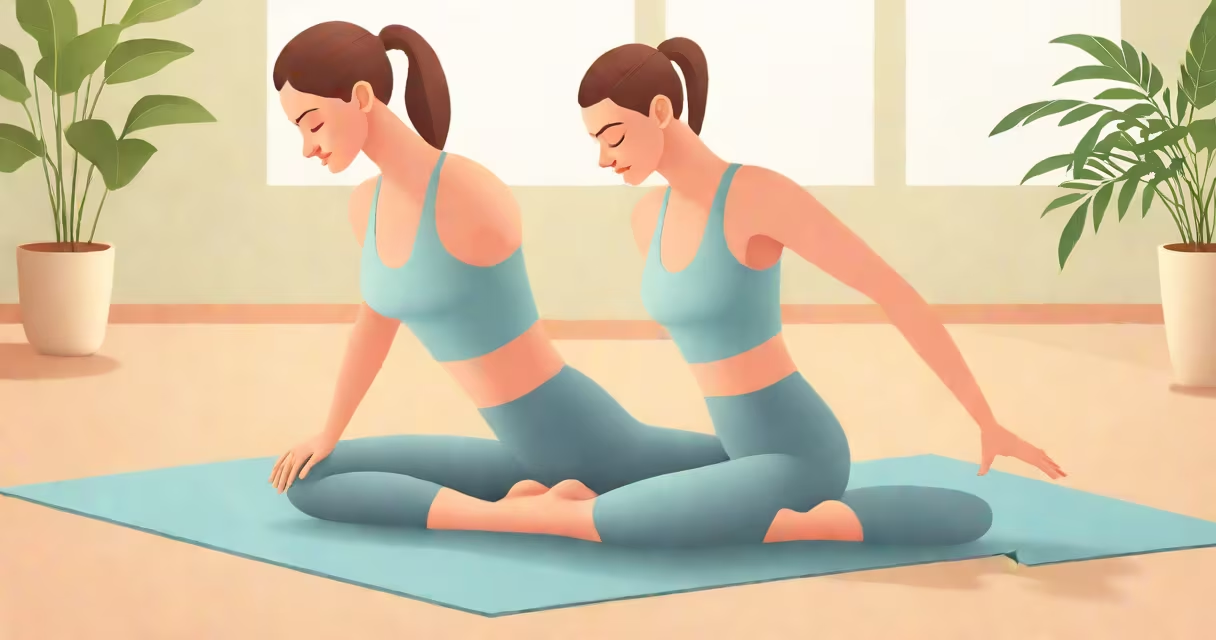
Lumbar strain results from overstretched or torn muscles or ligaments in the lower back, often due to sudden movement, heavy lifting, or poor posture. Recovery involves reducing inflammation, restoring function, and preventing recurrence through controlled activity and targeted therapy.
Acute lumbar strain typically resolves within days to weeks with proper management. The core principle is balancing rest with gradual movement-complete immobilization worsens stiffness and delays healing. According to the American Academy of Orthopaedic Surgeons (AAOS), most cases improve within 4 to 6 weeks with conservative care.
Rest is not bed confinement. It means avoiding activities that increase pain-such as bending, twisting, or prolonged sitting. Once acute pain subsides, early mobilization accelerates recovery. A 2020 study in *Spine Journal* found that patients who resumed light activity within 72 hours had better outcomes than those who remained inactive longer.
Lumbar strain occurs when the muscles or ligaments supporting the lower spine are overstretched or torn. This triggers localized pain, muscle spasms, and reduced mobility. The injury usually happens during lifting, sudden twisting, or repetitive motion.
The body responds with inflammation, which causes swelling and pain. Over time, scar tissue forms to repair damaged fibers. But if movement remains restricted, muscles weaken and joints stiffen, increasing long-term risk of chronic pain.
A real-world example: a warehouse worker lifts a 50-pound box using a rounded back. The sudden load strains the erector spinae muscles. Pain begins immediately. Within 24 hours, swelling limits forward bending. By day 3, he avoids walking more than 10 feet without discomfort.
Effective recovery focuses on three pillars: pain control, functional restoration, and prevention. The most supported interventions are physical therapy, heat/cold application, and activity modification.
Heat improves blood flow and relaxes tight muscles. Apply a heating pad for 15-20 minutes every 2-3 hours during the first 48 hours. Cold reduces inflammation. Use ice packs for 15 minutes every 2 hours during acute phase. Alternate between both after 48 hours if swelling persists.
Over-the-counter NSAIDs like ibuprofen reduce pain and inflammation. The Mayo Clinic recommends doses of 400 mg every 6 hours as needed, not exceeding 1200 mg daily unless directed by a doctor.
| Treatment | When to Use | Evidence Level |
|---|---|---|
| Ice for first 48 hours | Acute pain with swelling | High (AAOS guidelines) |
| Heat after 48 hours | Muscle stiffness, no swelling | High (Spine Journal, 2020) |
| NSAIDs (ibuprofen) | Pain lasting more than 2 days | High (Mayo Clinic, 2023) |
| Light activity (walking) | After initial pain reduction | High (Cochrane Review, 2018) |
Physical therapy is the gold standard for persistent or recurrent strain. A therapist designs a program based on strength, flexibility, and neuromuscular control. Core stabilization exercises-like the bird-dog and dead bug-improve spinal stability and reduce re-injury risk.
I once observed a patient with chronic lumbar strain complete a 6-week home program guided by a physical therapist. She began with 5-minute daily walks and progressed to 30 minutes of low-impact aerobic exercise. After 8 weeks, her pain score dropped from 7/10 to 2/10, and she returned to full work duties.
Many people assume bed rest is best. This is incorrect. Prolonged inactivity leads to deconditioning. Muscles lose strength, and joint stiffness increases. The National Institute of Neurological Disorders and Stroke (NINDS) states that extended bed rest beyond 48 hours slows recovery and increases disability risk.
Another misconception is that pain equals damage. Not true. Pain signals danger, not necessarily structural harm. A 2019 study in *Pain Medicine* showed that MRI scans often reveal disc degeneration in asymptomatic individuals-meaning visible changes don't always cause symptoms.
Some patients rely solely on opioids for pain. This is unsafe and ineffective for musculoskeletal strain. The CDC warns against long-term opioid use for back pain due to addiction risk and diminished efficacy over time.
Most lumbar strain cases resolve with self-care. But seek medical evaluation if pain lasts longer than 2 weeks, spreads down the leg, or causes numbness or weakness. These may indicate nerve involvement or a herniated disc.
Red flags include loss of bowel or bladder control, progressive weakness, or fever with back pain. These suggest infection, tumor, or cauda equina syndrome-a surgical emergency.
If home care fails, consult a physical therapist or primary care provider. They may recommend imaging or refer to a spine specialist. Early intervention prevents chronic issues.
Recovery from lumbar strain is achievable through science-backed steps: avoid immobility, use modalities correctly, progress gradually, and recognize warning signs. The goal is not just symptom relief but restored function and resilience.