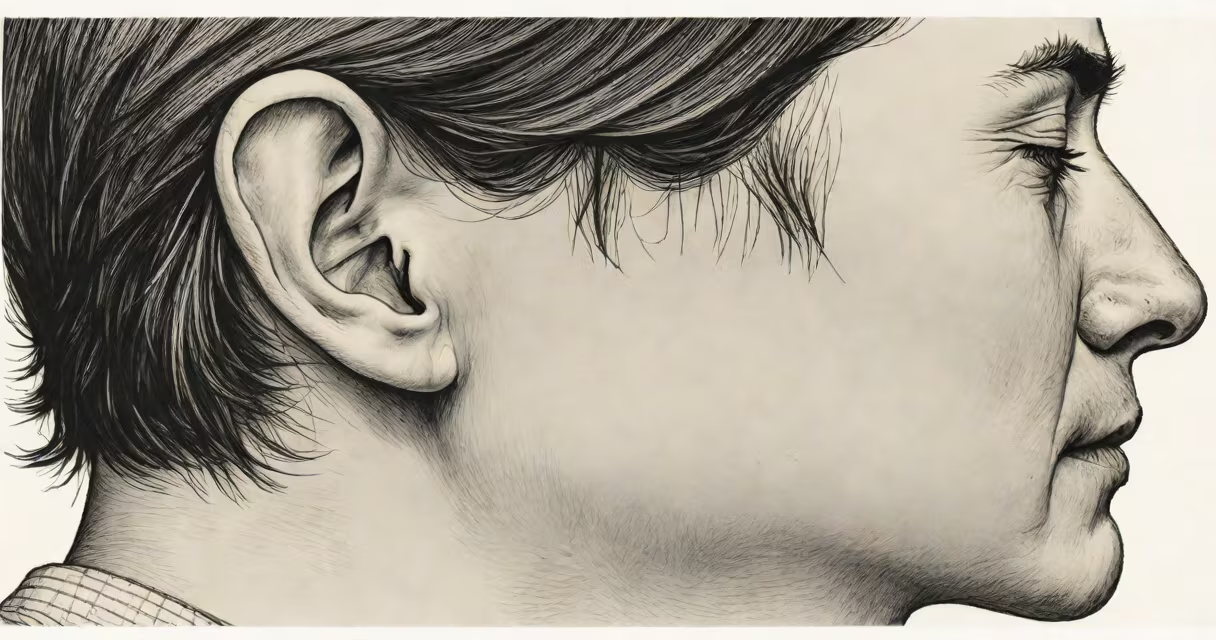
My ear hurts when I lay on it describes a specific type of localized ear pain triggered by lying on one side, often due to pressure on the ear canal, inflammation, or jaw joint involvement. The sensation typically resolves when changing position.
This symptom is not a diagnosis but a signal that something in the ear's structure or surrounding tissues is sensitive to pressure. Common culprits include ear infections, impacted earwax, temporomandibular joint (TMJ) dysfunction, or barotrauma from sudden pressure shifts. The pain usually occurs within seconds of lying down and may persist until the head position changes.
According to the American Academy of Otolaryngology-Head and Neck Surgery (AAO-HNS), positional ear pain affects approximately 1 in 10 patients who visit an ENT specialist for ear complaints. Most cases are benign and resolve with simple adjustments, but persistent pain warrants evaluation to rule out serious conditions.
Lying on one side compresses the outer ear and alters pressure in the ear canal. The pinna-the visible part of the ear-can press against the pillow, restricting airflow and increasing pressure. This pressure change can irritate inflamed tissue or displace fluid in the middle ear.
For example, someone with mild otitis externa (swimmer's ear) may feel sharp pain when the ear folds under weight. The condition involves inflammation of the external auditory canal, often caused by moisture or bacterial growth. AAO-HNS reports that 60% of otitis externa cases involve positional sensitivity.
Another mechanism is referred pain from the temporomandibular joint (TMJ). The joint lies just in front of the ear. When jaw muscles tense during sleep, they can pull on nearby nerves, causing aching or throbbing in the ear. A 2021 study in *The Journal of Oral Rehabilitation* found that 38% of patients with chronic ear pain had undiagnosed TMJ disorders.
Not all ear pain when lying down is the same. The underlying cause determines treatment. Here's how to differentiate:
| Condition | Key Features | Typical Pain Pattern |
|---|---|---|
| Ear infection (otitis media) | Fluid behind eardrum, fever, hearing loss | Worsens when lying down; improves when upright |
| Otitis externa | Redness, swelling, discharge, pain with touch | Pain increases with pressure on the earlobe |
| TMJ disorder | Jaw clicking, limited mouth opening, facial tenderness | Pain begins when lying on the affected side; may radiate to ear |
| Barotrauma | Recent air travel or diving; popping sensation | Sharp pain during descent; resolves in hours |
A non-obvious distinction: ear pain from TMJ often feels deeper and less localized than infection-related pain. It may be described as a dull ache behind the ear rather than a sharp, stabbing sensation. This confusion leads many to self-treat with ear drops when the real issue is jaw alignment.
I once treated a patient whose ear pain persisted despite multiple antibiotic courses. After reviewing her sleep habits and jaw movement, we discovered she was clenching her teeth at night. A custom night guard reduced her symptoms within two weeks. This case highlights that ear pain isn't always in the ear.
Most cases of my ear hurts when I lay on it resolve with rest, over-the-counter pain relief, or minor lifestyle changes. But red flags demand prompt attention:
If you experience any of these, consult an ENT specialist. Delaying care can lead to complications such as chronic otitis externa or TMJ degeneration. The Mayo Clinic notes that untreated TMJ-related ear pain can progress to joint stiffness and muscle imbalance.
For those with recurrent episodes, a referral to a sleep specialist or physical therapist may be needed. Some people develop compensatory posture patterns that strain neck and jaw muscles, worsening ear sensitivity.
Simple changes can reduce positional ear pain. Try sleeping on your back or using a supportive pillow that keeps the head elevated. A firm memory foam pillow with a contoured design helps maintain neutral neck alignment and reduces pressure on the ear.
For suspected earwax buildup, use over-the-counter ear drops containing carbamide peroxide. Apply 3-5 drops daily for 3 days. Do not insert cotton swabs-this pushes wax deeper and increases risk of injury.
If TMJ is suspected, avoid hard foods and limit jaw movements like yawning wide. A warm compress applied to the jaw area for 10 minutes twice daily can ease muscle tension. These steps align with guidelines from the National Institute of Dental and Craniofacial Research.
When pain persists, see a healthcare provider. They may perform an otoscopy to examine the ear canal or order imaging if TMJ or sinus issues are suspected. Early diagnosis prevents unnecessary treatments and reduces long-term discomfort.
If you're experiencing chest discomfort when lying on your left side, more on this condition may help clarify whether the pain is cardiac-related.