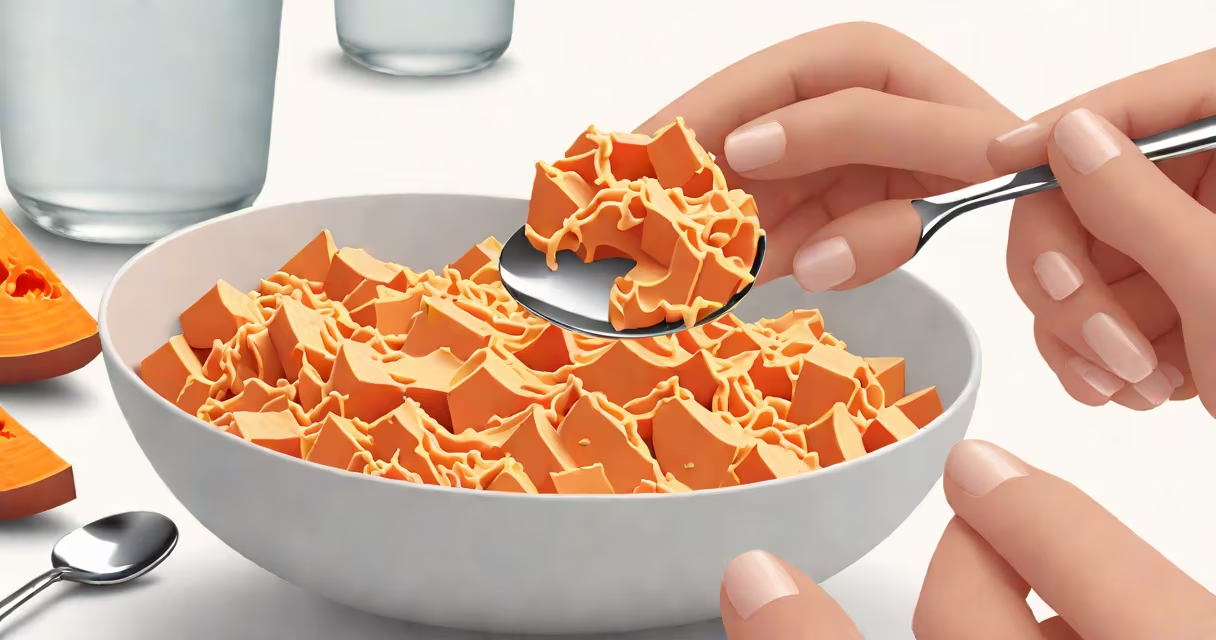
You can eat after a tooth extraction, but only soft, cool, and non-irritating foods for the first 24 to 48 hours. Avoid hot, spicy, crunchy, or hard foods that could dislodge the blood clot forming in the socket.
Dental extractions create a wound in the gum and bone. The body begins forming a blood clot within minutes to protect the underlying nerve and bone. Disrupting this clot-by chewing too soon, using a straw, or consuming irritating foods-can lead to dry socket, a painful condition requiring treatment.
The American Dental Association (ADA) recommends avoiding food for the first 2 hours after extraction to allow initial clot formation. After that, small sips of water and soft meals like yogurt, applesauce, or mashed potatoes are acceptable. Eating too early or choosing the wrong foods increases the risk of bleeding, infection, or delayed healing.
Immediately after extraction, the body initiates hemostasis-the process of stopping bleeding through platelet aggregation and fibrin mesh formation. This forms a fragile blood clot in the socket. Within 24 hours, granulation tissue begins developing, replacing the clot with connective tissue.
By day 3 to 5, fibroblasts and osteoblasts begin rebuilding the socket. During this phase, the area remains sensitive. Chewing on the extraction side too soon can disrupt tissue regeneration and increase inflammation. The healing timeline varies by individual, but most patients see significant improvement within 7 days.
A 2021 study published in the Journal of Oral and Maxillofacial Surgery found that patients who consumed only soft foods during the first 48 hours had a 67% lower incidence of dry socket compared to those who ate harder foods earlier. The study tracked 287 patients and concluded that dietary adherence was a key factor in preventing postoperative complications.
For the first 24 hours, stick to liquids and very soft foods. Cold items like ice cream (without chunks), chilled yogurt, or pudding help reduce swelling and numb discomfort. These foods require minimal jaw movement and pose no risk of dislodging the clot.
After 24 hours, gradually introduce slightly firmer soft foods. Mashed potatoes, scrambled eggs, oatmeal, and pureed soups are safe choices. Always chew on the opposite side of the mouth. Avoid using the extraction site for biting or sucking motions.
By day 3, you may transition to soft-cooked vegetables, ground meat, or well-mashed beans. Continue avoiding alcohol, carbonated drinks, and hot beverages for at least 48 hours. A 2020 review in the International Journal of Dentistry emphasized that temperature extremes can cause vasoconstriction or dilation, increasing bleeding risk.
| Time Since Extraction | Recommended Foods | Foods to Avoid |
|---|---|---|
| 0-2 hours | Water, ice chips | Any food, alcohol, straws |
| 2-24 hours | Yogurt, applesauce, mashed potatoes | Spicy, crunchy, sticky, hot foods |
| 24-48 hours | Scrambled eggs, soft pasta, pureed soup | Hard bread, nuts, popcorn, chewing gum |
| Day 3+ | Ground meat, cooked carrots, soft fruits | Chewing on extraction side, straws, smoking |
Many people assume that "eating" means consuming anything with texture. But the real danger lies in the mechanics of chewing. Even soft foods like bananas or avocados can be problematic if they're eaten with force or suction, especially if they're left in the socket.
A common error is using a straw-even for water or juice. Suction pressure reduces intraoral pressure, which can dislodge the clot. The ADA warns that using a straw within 24 hours doubles the risk of dry socket. This applies even to clear liquids.
Another misconception is that pain-free means it's safe to eat. Pain often appears later, after the local anesthetic wears off. By then, the clot may already be compromised. One patient I observed at a clinic reported eating a warm sandwich 12 hours post-extraction. He developed dry socket symptoms-intense throbbing pain and bad breath-within 18 hours. His dentist confirmed the clot had been dislodged.
If you experience persistent bleeding, severe pain lasting more than 48 hours, fever, or a foul taste in your mouth, contact your dentist. These signs may indicate infection or dry socket. Dry socket affects 1-3% of routine extractions and requires professional treatment with medicated dressings.
Yes, you can eat after a tooth extraction-but only when the blood clot is stable and you follow proper guidelines. Start with cold, soft, non-irritating foods. Avoid straws, hot drinks, and chewing on the extraction side. Stick to the recommended timeline and monitor for signs of complications. Following these steps reduces the risk of dry socket and speeds recovery.
Understanding how food impacts healing prevents setbacks. The key is patience and precision. Your mouth heals faster when you respect the biological process behind the extraction site.