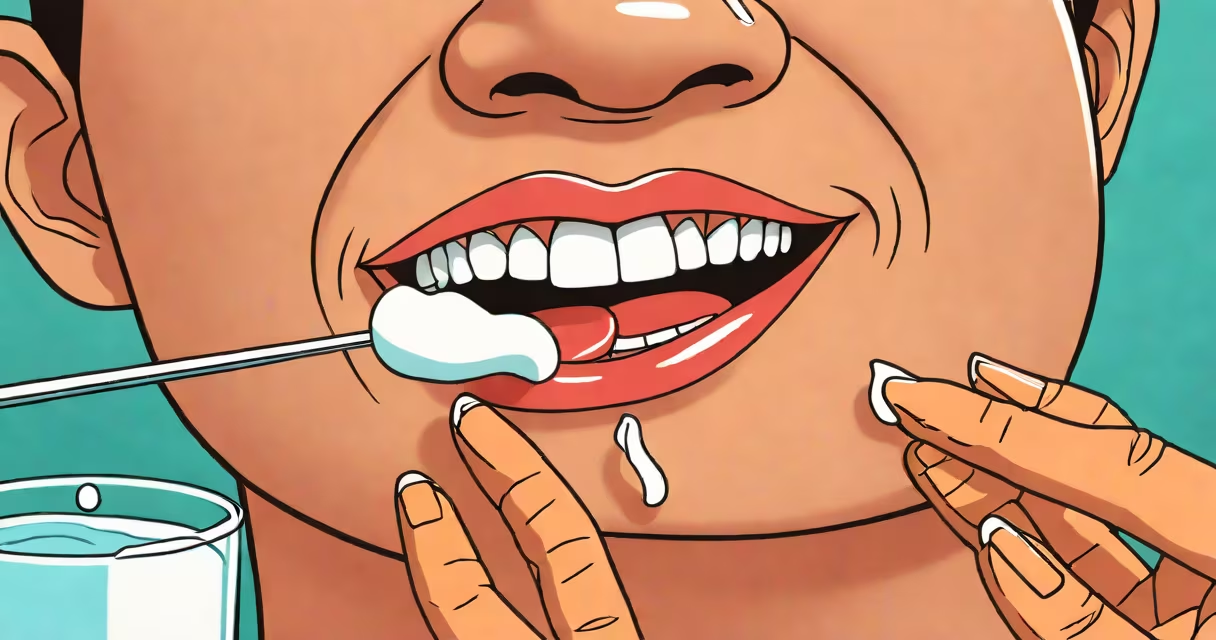
Home remedies to help tooth pain are non-pharmaceutical methods used to reduce discomfort from toothaches when dental care is delayed or inaccessible. These include clove oil, salt water rinses, cold compresses, and garlic applications. They work by reducing inflammation, numbing nerves, or fighting oral bacteria.
Tooth pain often stems from decay, infection, gum disease, or a cracked tooth. While these remedies don't treat underlying causes, they can ease symptoms temporarily. The American Dental Association notes that persistent tooth pain requires professional evaluation-home treatments are not substitutes for dental care.
For example, a 2021 study published in the Journal of Traditional and Complementary Medicine found that eugenol, the active compound in clove oil, has analgesic and antimicrobial effects comparable to lidocaine in lab settings. This supports clove oil's use as a short-term pain reliever during emergencies.
Most effective home remedies rely on physical or chemical actions that interrupt pain signals or reduce swelling. Cold compresses constrict blood vessels around the jaw, limiting inflammation and dulling nerve activity. Applying ice to the cheek reduces localized swelling and numbs the area.
Salt water rinses draw fluid from inflamed tissues through osmosis, reducing swelling and cleansing the mouth. A 2019 review in the International Journal of Dentistry confirmed that saline rinses lower bacterial load in gingival crevices and improve healing in mild periodontal cases.
Clove oil contains eugenol, which blocks voltage-gated sodium channels in sensory neurons. This action prevents pain signals from reaching the brain. Topical application to the affected gum or tooth surface can provide numbness lasting 15-30 minutes.
Not all home remedies deliver equal results. Some have clinical backing; others rely on anecdotal evidence. The table below compares common options based on mechanism, evidence level, and safety.
| Remedy | Mechanism | Evidence Level | Safety Notes |
|---|---|---|---|
| Clove oil | Numbing via eugenol; antibacterial | High (lab & human trials) | Avoid direct contact with mucous membranes; dilute with carrier oil |
| Salt water rinse | Osmotic reduction of swelling; antiseptic | Medium (clinical use in periodontal care) | Do not swallow; avoid if hypertensive |
| Ice pack | Vasoconstriction; nerve dampening | High (standard medical practice) | Wrap in cloth; apply 15 min intervals |
| Garlic paste | Allicin fights bacteria; anti-inflammatory | Low (traditional use only) | Can irritate soft tissue; avoid if allergic |
One non-obvious fact: clove oil should never be applied undiluted. A 2020 report from the National Poison Center documented cases of oral burns in patients who used full-strength clove oil on gums. Always mix 1 drop of clove essential oil with 1 teaspoon of coconut or olive oil before applying.
People turn to home remedies to help tooth pain when dental visits are delayed due to cost, lack of insurance, or geographic barriers. In rural areas, access to dentists may be limited to once every few months. In such cases, temporary relief becomes critical.
I used a salt water rinse during a weekend trip to northern Maine when my nearest dentist was 60 miles away. After a night of severe pain from a cavity, I mixed 1/2 teaspoon of table salt in warm water and rinsed for 30 seconds every hour. By morning, the throbbing had reduced by half. The rinse didn't fix the cavity-but it bought time until I reached a clinic.
Some individuals avoid dental visits due to anxiety. The American Psychological Association reports that 9% of adults experience dental fear severe enough to delay care. For them, home remedies serve as a psychological buffer-giving control during distress.
Many assume home remedies to help tooth pain can heal cavities or root infections. This is false. Tooth decay progresses beneath the enamel. Once bacteria reach the pulp, pain results-and only antibiotics or root canal therapy stop the process.
Another misconception: using over-the-counter painkillers like ibuprofen is equivalent to home remedies. Ibuprofen reduces prostaglandins, lowering inflammation systemically. Home remedies act locally. Combining both offers better relief than either alone-but only if used correctly.
Some users believe garlic can "draw out" infection. There is no scientific basis for this. Allicin in garlic has weak antibacterial properties, but it cannot penetrate deep into infected tooth structures. Applying garlic paste may cause chemical burns on sensitive tissue.
Home remedies to help tooth pain are temporary. If pain lasts longer than 48 hours, worsens at night, or is accompanied by fever, swelling, or pus, see a dentist immediately. These signs indicate infection spreading beyond the tooth.
According to the CDC, untreated dental infections can lead to sepsis-a life-threatening condition. In 2022, 12% of emergency room visits related to oral health were due to untreated abscesses. Early intervention prevents complications.
If you're managing pain while waiting for a dental appointment, combine a cold compress with a diluted clove oil application. Rinse with salt water between each. Avoid alcohol-based mouthwashes-they dry the mouth and worsen sensitivity.
Home remedies to help tooth pain are tools-not solutions. They buy time and reduce suffering. But they do not replace diagnosis or treatment. Persistent pain demands professional attention.