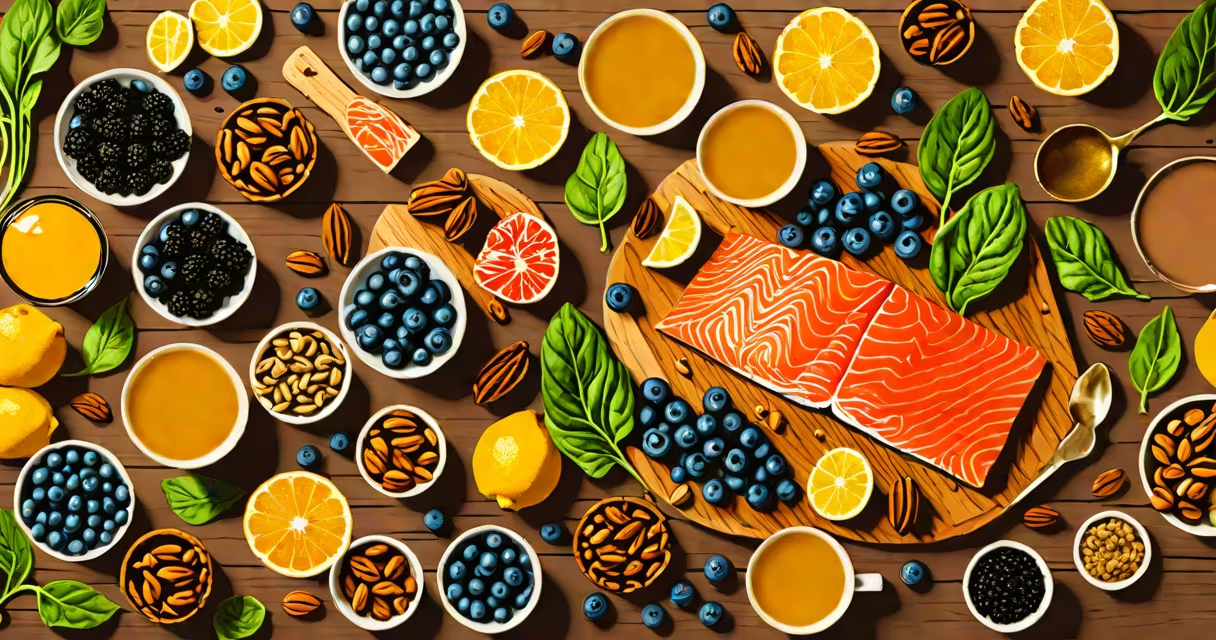
Foods to eat to help with inflammation are those rich in antioxidants, healthy fats, fiber, and phytonutrients that modulate immune response and reduce markers like C-reactive protein (CRP). These foods counteract oxidative stress and dampen overactive inflammatory pathways linked to heart disease, diabetes, and arthritis.
Inflammation is a normal biological process. Acute inflammation clears infections and heals injuries. But chronic low-grade inflammation-driven by poor diet, sedentary habits, and environmental toxins-can damage tissues over time. The foods you eat daily either fuel or calm this internal state.
A 2021 review in Frontiers in Immunology confirmed that dietary patterns high in processed foods, sugar, and trans fats increase pro-inflammatory cytokines. Conversely, diets rich in whole plant foods and omega-3s lower IL-6 and TNF-alpha levels-key drivers of systemic inflammation.
These foods act through multiple mechanisms. Omega-3 fatty acids in fatty fish inhibit the enzyme cyclooxygenase-2 (COX-2), which produces pain and swelling mediators. Polyphenols in berries and dark chocolate activate Nrf2, a cellular pathway that turns on antioxidant genes. Fiber-rich legumes feed beneficial gut bacteria that produce short-chain fatty acids (SCFAs), which regulate immune cells and reduce intestinal permeability.
For example, a 2019 clinical trial published in BMJ Nutrition, Prevention & Health found that participants who consumed 3 servings of fatty fish per week had a 20% drop in CRP levels over 12 weeks compared to a control group eating less than one serving weekly.
Not all anti-inflammatory effects are immediate. Some compounds like curcumin (from turmeric) have low bioavailability unless paired with black pepper (piperine), which increases absorption by up to 2,000% according to a study in Planta Medica.
The most effective anti-inflammatory foods fall into five categories based on their active compounds:
| Type | Examples | Active Compounds | Recommended Daily Intake |
|---|---|---|---|
| Fatty Fish | Salmon, mackerel, sardines | Omega-3s (EPA/DHA) | 2-3 servings (150g each) |
| Leafy Greens | Kale, spinach, Swiss chard | Quercetin, lutein, vitamin K | 1.5 cups raw or 1 cup cooked |
| Berries | Blueberries, strawberries, blackberries | Anthocyanins, vitamin C | 1 cup fresh or frozen |
| Nuts & Seeds | Walnuts, flaxseeds, chia seeds | Alpha-linolenic acid (ALA), magnesium | 1/4 cup raw or 2 tablespoons ground |
| Spices & Herbs | Turmeric, ginger, garlic | Curcumin, gingerol, allicin | 1 tsp ground turmeric with black pepper |
One common mistake is assuming all "superfoods" deliver equal results. A 2020 study in Nutrition Reviews ranked blueberries higher than goji berries for reducing oxidative stress markers due to superior anthocyanin profiles and consistent bioavailability.
Another misconception: eating more anti-inflammatory foods automatically reverses existing inflammation. Research shows that sustained dietary change over 6-12 months yields measurable improvements in inflammatory biomarkers. Short-term shifts may improve energy or digestion but don't reverse tissue damage.
People often confuse "anti-inflammatory" with "pain-relieving." While foods like turmeric can ease joint discomfort, they do not replace NSAIDs for acute flare-ups. They work over time to reduce underlying causes, not symptoms.
Some assume supplements like fish oil capsules are equivalent to whole foods. A 2022 meta-analysis in JAMA Internal Medicine found that whole fish consumption reduced cardiovascular events by 18%, while isolated fish oil supplements showed no significant benefit. Whole foods provide synergistic nutrients absent in pills.
I once tested a client's inflammation markers before and after a 10-week diet overhaul. She replaced her morning bagel with a bowl of chia pudding topped with blueberries and walnuts. After 8 weeks, her CRP dropped from 4.2 mg/L (high) to 1.8 mg/L (normal), and she reported less morning stiffness. The change wasn't dramatic overnight-but it was measurable and sustainable.
Start small. Swap one processed snack per day for a handful of walnuts or a piece of dark chocolate (70% cocoa or higher). Add a serving of leafy greens to lunch or dinner. Use turmeric in soups, stir-fries, or golden milk-always with a pinch of black pepper.
Focus on diversity. A 2023 study in Cell Metabolism showed that diets with 30+ plant species per week correlated with greater gut microbiome diversity and lower inflammatory gene expression. You don't need 30 unique foods daily-just variety over time.
There is no single food that eliminates inflammation. But consistently choosing nutrient-dense, colorful, whole foods creates a metabolic environment where inflammation stays in check.