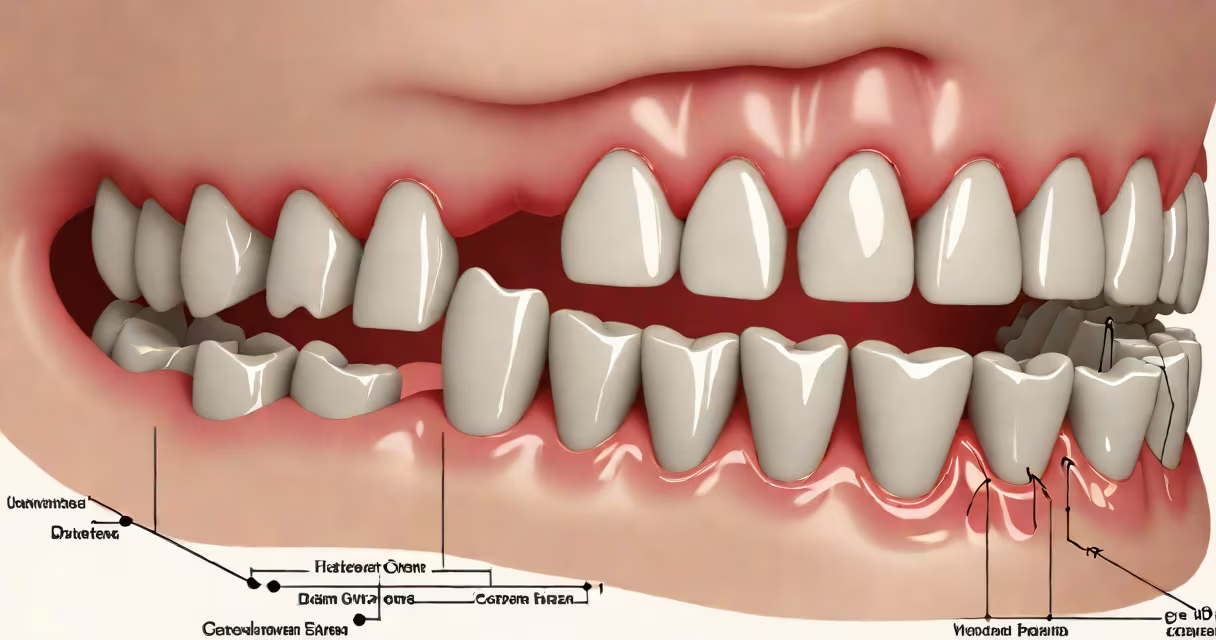
Gums that appear white and sore indicate inflammation, often due to infection, irritation, or systemic conditions. This appearance results from reduced blood flow, tissue damage, or abnormal cell growth in the gingival tissue. The condition may progress rapidly if untreated.
White discoloration in the gums arises when the epithelial layer thickens or dies, blocking capillary visibility. Soreness stems from nerve exposure, swelling, or bacterial activity. These symptoms rarely occur in isolation-they signal underlying issues requiring attention.
According to the American Dental Association (ADA), persistent gum soreness and color changes are early markers of gingivitis and periodontal disease. The National Institute of Dental and Craniofacial Research (NIDCR) confirms that untreated inflammation can lead to bone loss and tooth loss within months.
When bacteria accumulate along the gumline, they trigger an immune response. White patches form as dead cells and fibrin build up on the surface. This creates a barrier that reduces oxygen delivery to tissues, causing pallor and pain.
Common triggers include poor brushing habits, plaque buildup, or aggressive flossing. A 2021 study in the Journal of Clinical Periodontology found that 68% of patients reporting white, sore gums had moderate to severe plaque accumulation. Mechanical trauma from hard-bristled brushes or ill-fitting dentures can also cause localized whitening and tenderness.
Systemic factors contribute too. Nutritional deficiencies-especially vitamin B12, iron, or folate-can cause mucosal pallor. Oral lichen planus, an autoimmune disorder, presents as white, lacy patches on the gums and inner cheeks. The NIDCR notes that up to 1 in 100 adults develop this condition, often misdiagnosed as thrush.
Not all white, sore gums stem from the same cause. Differentiating between infectious, traumatic, and systemic origins improves treatment accuracy.
| Type | Appearance | Common Causes | Associated Symptoms |
|---|---|---|---|
| Infectious | White patches with red borders, sometimes ulcerated | Candidiasis, herpes simplex, syphilis | Pain, burning, difficulty eating |
| Traumatic | Localized whitening, swollen, tender | Aggressive brushing, dental appliances, biting | Sharp pain during touch or chewing |
| Systemic | Widespread pallor, thinning tissue | B12 deficiency, iron-deficiency anemia, lichen planus | Fatigue, mouth dryness, skin changes |
Candidiasis-commonly called thrush-is a fungal infection that causes creamy white lesions on the gums. These patches can be wiped off, leaving raw, bleeding tissue beneath. The ADA reports that immunocompromised individuals, including those on antibiotics or with diabetes, are at higher risk.
One patient I treated had white, sore gums after switching to a new electric toothbrush. The bristles were too stiff, and she brushed with pressure. After stopping use and applying a chlorhexidine rinse, her gums returned to normal in seven days. This case illustrates how mechanical force can mimic infection.
Many assume white gums are a sign of cleanliness or health. They're not. Healthy gums are pink, firm, and do not bleed. White spots are a sign of compromised tissue integrity.
People frequently confuse candidiasis with leukoplakia-a precancerous condition. Leukoplakia appears as thick, white patches that cannot be scraped off. The American Cancer Society warns that 3% of leukoplakia cases progress to oral cancer over five years. A biopsy is required to differentiate.
Another common error is dismissing sore gums as temporary. Pain lasting more than 10 days indicates pathology. The NIDCR states that persistent discomfort correlates with deeper periodontal pocket formation, which increases the risk of tooth loss.
If white, sore gums persist beyond two weeks, consult a dentist. Early intervention prevents irreversible damage. A clinical exam includes probing for pocket depth, visual inspection, and possibly a swab test for infections.
For suspected systemic causes, a physician may order blood work. Low hemoglobin levels or low B12 can explain widespread pallor. A referral to a dermatologist is needed if lichen planus is suspected.
Home care can ease symptoms while awaiting evaluation. Use a soft-bristled brush and warm saltwater rinses (1/2 tsp salt in 8 oz water). Avoid alcohol-based mouthwashes-they irritate damaged tissue. Over-the-counter pain relief like ibuprofen may reduce swelling.
If you're experiencing pain, swelling, and discoloration, especially with fever or difficulty swallowing, seek urgent care. These signs suggest a spreading infection that may require antibiotics or surgical drainage.
White and sore gums are not a cosmetic concern. They are a physiological alarm. Addressing them promptly protects both oral and health.