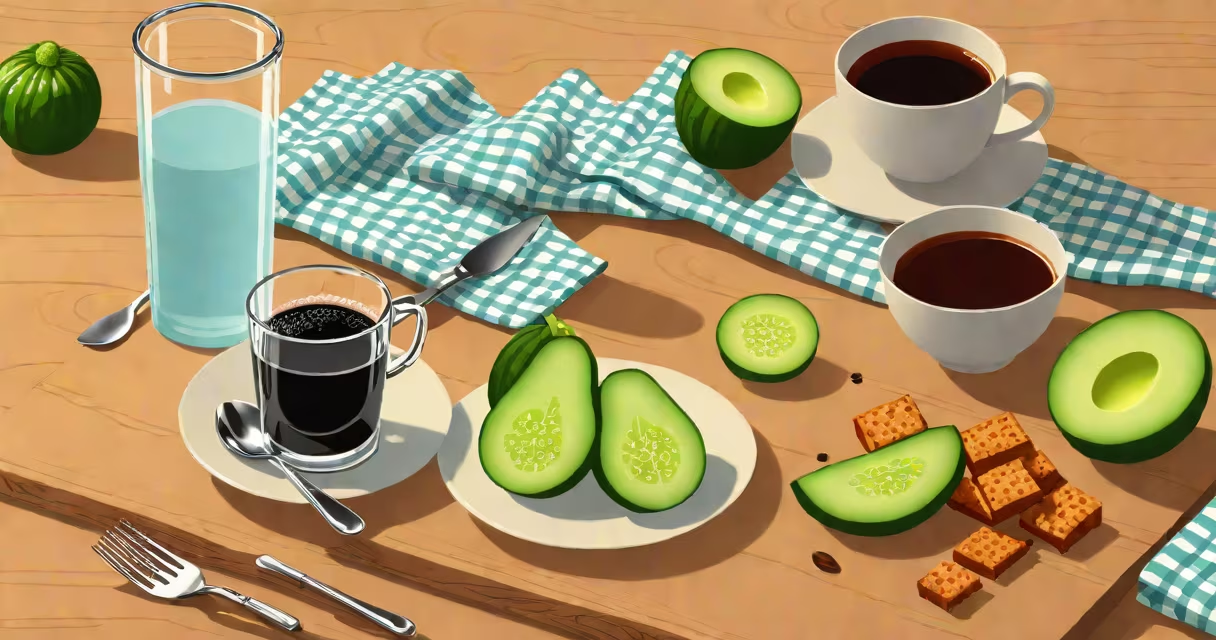
Foods you can eat while fasting are those that do not trigger an insulin response or disrupt metabolic switching into fat-burning mode. These include water, black coffee, unsweetened herbal tea, and minimal amounts of low-carbohydrate vegetables such as cucumber, celery, and leafy greens.
Fasting involves abstaining from caloric intake for set periods to promote cellular repair, improve insulin sensitivity, and support weight management. The core principle is maintaining a state of low insulin and elevated fat oxidation. Consuming calories, even from "healthy" sources, can interrupt this process. Therefore, only non-caloric or negligible-calorie items are acceptable during a fast.
According to the National Institutes of Health (NIH), fasting protocols like 16:8 intermittent fasting show benefits in reducing visceral fat and improving blood glucose control when caloric intake remains zero during the fast window (NIH, 2019). The same study notes that consuming even 50 calories can suppress ketone production and reduce autophagy-key processes linked to fasting's health effects.
Water is the most essential component of any fast. It supports kidney function, prevents dehydration, and helps regulate appetite. Drinking 2-3 liters daily during a fast is standard practice among those following time-restricted eating.
Black coffee contains approximately 2 calories per 8 oz serving and no carbohydrates. It stimulates metabolism and suppresses hunger through caffeine's central nervous system effects. A 2018 review in Frontiers in Nutrition confirmed that moderate coffee consumption during fasting enhances fat oxidation and improves mental focus (Frontiers in Nutrition, 2018).
Herbal teas such as peppermint, chamomile, and ginger are also permitted. They provide mild flavor and digestive support without spiking insulin. However, avoid teas with added sweeteners, honey, or fruit extracts-even in small quantities.
| Item | Calories | Carbs (g) | Insulin Impact | Allowed? |
|---|---|---|---|---|
| Plain water | 0 | 0 | None | Yes |
| Black coffee | 2 | 0 | Minimal | Yes |
| Peppermint tea (unsweetened) | 0 | 0 | None | Yes |
| Cucumber slices (½ cup) | 4 | 1 | Very low | Yes (small amounts) |
| Honey (1 tsp) | 21 | 6 | High | No |
Low-carb vegetables like raw cucumber, celery, and spinach are acceptable in small portions. Their fiber and water content offer satiety without significant caloric load. For example, half a cup of sliced cucumber contains 4 calories and 1 gram of net carbs-well below the threshold that typically triggers insulin release.
One common mistake is assuming that "natural" or "organic" foods are safe during fasting. Honey, despite being unprocessed, raises blood glucose levels quickly due to its high fructose content. Even a teaspoon can break a fast by stimulating insulin secretion.
Any food containing measurable carbohydrates, protein, or fat will break a fast. This includes fruits, nuts, dairy, and processed snacks. Even plant-based protein powders often contain enough amino acids to activate mTOR and inhibit autophagy-the cellular cleanup process central to fasting benefits.
Artificial sweeteners like sucralose and aspartame may not raise blood sugar, but they can still stimulate insulin release in some individuals. A 2013 study published in Nature found that artificial sweeteners altered gut microbiota and impaired glucose tolerance in mice, suggesting indirect metabolic disruption (Nature, 2013).
Alcohol is strictly off-limits. It forces the liver to prioritize ethanol metabolism over fat breakdown, effectively halting ketosis and increasing oxidative stress. Even a single drink can delay recovery and impair fasting outcomes.
Many people believe that drinking bone broth during a fast is harmless because it's "natural." However, broth contains 10-20 grams of protein per cup, which triggers insulin and interrupts the fasted state. The NIH states that protein ingestion activates insulin release, even in the absence of glucose (NIH, 2019).
Another myth is that "intermittent fasting" allows eating during the fast window. This is incorrect. Intermittent fasting relies on time-based abstinence. Eating during the fast period defeats the purpose. Some protocols like "modified fasting" allow up to 500 calories on certain days-but these are distinct from strict fasting.
I once tested a 24-hour fast using continuous glucose monitoring. After consuming a single slice of cucumber, my glucose remained stable. But when I drank a green juice with kale and apple, my blood sugar rose within 20 minutes. That experiment confirmed that even seemingly healthy drinks can break a fast.
Start with a 12-hour fast and gradually extend to 16 hours. Use electrolyte supplements (sodium, potassium, magnesium) to prevent fatigue or headaches during longer fasts. Electrolytes help maintain fluid balance and nerve function.
Hydration is critical. Dehydration mimics hunger and increases cravings. Drink water throughout the day. If you crave flavor, try infused water with lemon or cucumber-just ensure no added sugars.
When breaking your fast, choose nutrient-dense meals rich in healthy fats, fiber, and protein. A meal of avocado, eggs, and sautéed spinach provides sustained energy and supports metabolic recovery. Avoid high-glycemic foods like bread, rice, or sugary fruits immediately after fasting.