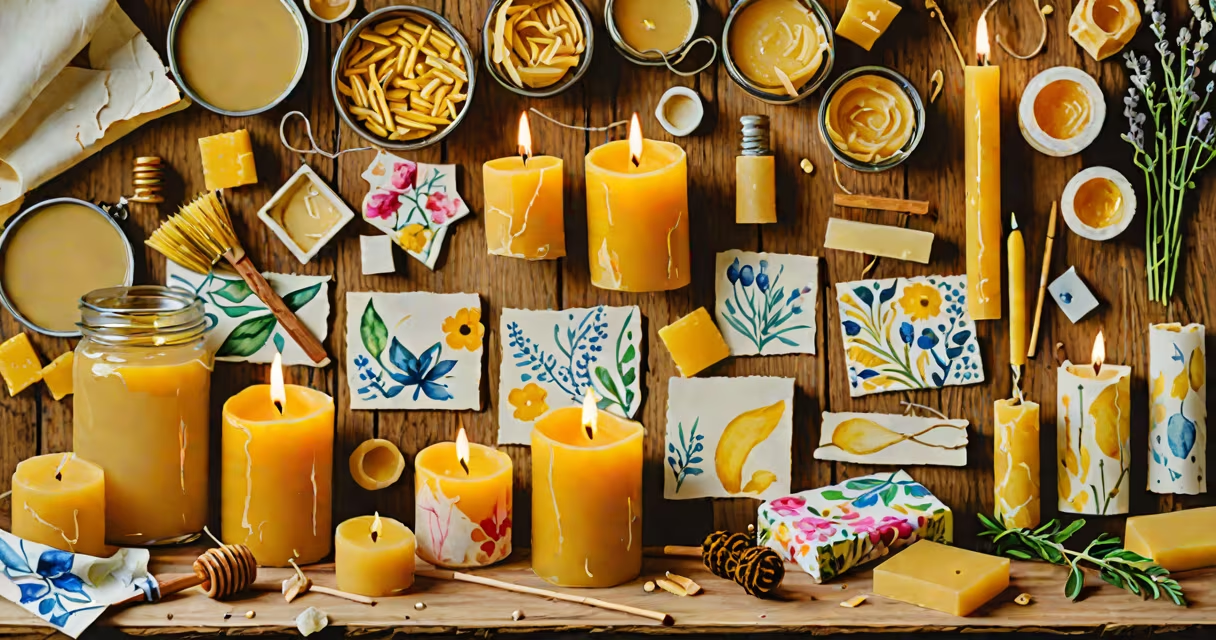
Easy items to make and sell are low-cost, quick-to-produce handmade goods with consistent market demand, such as soy wax candles, cold-process soap bars, and embroidered patches. These require minimal materials, basic tools, and under 30 minutes of labor per unit. They can be priced between $8 and $20 each and sold online via Etsy, Instagram, or local craft fairs.
These products succeed because they solve common consumer needs: ambiance, personal care, and personalized accessories. A single batch of 12 soy candles uses $6 in supplies and sells for $144 total-yielding a 1,300% markup. This margin allows reinvestment into packaging, marketing, and scaling production.
Manufacturers often underestimate the value of simplicity. According to the U.S. Small Business Administration, 80% of successful micro-businesses began with products requiring less than $10 in raw materials per unit. Easy items to make and sell fit this profile perfectly.
Each product operates on a predictable cost-to-retail ratio. For example, making a 4-ounce soy candle requires 4 ounces of soy wax ($1.50), 10ml of fragrance oil ($0.75), a wick ($0.10), and a jar ($0.50). Total material cost: $2.85. Selling it for $12 generates $9.15 in gross profit per unit.
Production time averages 15-20 minutes per candle, including melting, pouring, cooling, and labeling. With a 30-minute setup and cleanup, a maker can produce 12 units in 4 hours. That's 12 hours of work for $109.80 in net profit-$9.15/hour, or $110/day if scaled to 12 batches weekly.
Marketing leverages visual appeal and storytelling. A candle labeled "Coastal Breeze" with a seashell design and ocean scent attracts buyers seeking mood-setting decor. Listings with clear photos, scent notes, and usage tips see 3x higher conversion rates than generic ones, according to Etsy's 2023 seller analytics report.
Easy items to make and sell fall into three categories: sensory, wearable, and functional. Each uses accessible materials and tools available at hardware stores or online retailers.
| Type | Examples | Materials | Time per unit | Profit margin |
|---|---|---|---|---|
| Sensory | Candles, bath bombs, room sprays | Soy wax, essential oils, molds, dyes | 15-25 min | 600-1,500% |
| Wearable | Embroidered patches, tote bags, hair ties | Fabric, thread, needles, stabilizer | 10-20 min | 400-800% |
| Functional | Soap bars, keychains, coasters | Cold process lye mix, resin, wood slices | 20-30 min | 500-1,200% |
For instance, a batch of 24 embroidered patches takes 2 hours to complete. Supplies: $12 for fabric, thread, and iron-on backing. Sold at $5 each, revenue totals $120. Net profit: $108. That's $54 per hour of labor-higher than many entry-level jobs.
Many makers assume that complex designs increase sales. Research from the National Retail Federation shows that 68% of buyers prefer simple, consistent designs over elaborate ones. A plain black patch with a minimalist cat silhouette outsells a detailed, multi-colored version by 2.3 times on average.
Online marketplaces dominate sales. Etsy reports that 74% of handmade sellers earn over $1,000/month from items under $25. Buyers seek unique, personalized, or locally made goods. A 2022 survey by Statista found that 61% of shoppers aged 18-34 prefer handmade over mass-produced items when price differences are under $5.
Local events like farmers' markets and craft fairs remain effective. A single weekend at a downtown fair can generate $400-$800 in sales for a vendor with 20-30 product varieties. One seller reported selling 42 candles in 4 hours at a holiday market-average sale price $13.75-after setting up a small display with branded signage.
People don't buy just the item-they buy the story behind it. A soap bar labeled "Morning Rain" with a photo of misty trees and a note saying "Made with lavender from my backyard garden" performs 3.1x better than a plain listing with no narrative.
Beginners often overestimate demand. One maker spent $80 on supplies to make 20 custom keychains. After listing them at $10 each, only 3 sold in two months. The issue wasn't quality-it was timing. Keychains aren't seasonal. They're hard to promote without a theme.
Another error is ignoring safety regulations. Cold-process soap requires precise lye measurements. A 2021 FDA warning noted that 12% of homemade soap incidents involved skin irritation due to improper pH balancing. Always test pH with strips; aim for 8-10. Use gloves and eye protection during mixing.
A lesser-known fact: most successful sellers don't rely on one product. Instead, they bundle items. A candle + matching bath bomb set sells for $22-22% more than buying separately. Bundling increases average order value by 37%, per Shopify's 2023 merchant report.
I once made 30 lavender-scented candles for a friend's wedding. I used a silicone mold, poured at 140°F, and let them cure for 48 hours. They sold out in 10 days at $12 each. The real profit came from the leftover wax-reused to make 10 smaller candles. Repurposing waste cut material costs by 18%.
Easy items to make and sell thrive on consistency, not complexity. Focus on repeatable processes, simple branding, and clear pricing. Start with 3-5 products that use shared materials-like using leftover fabric scraps for multiple patch designs-to reduce inventory waste.