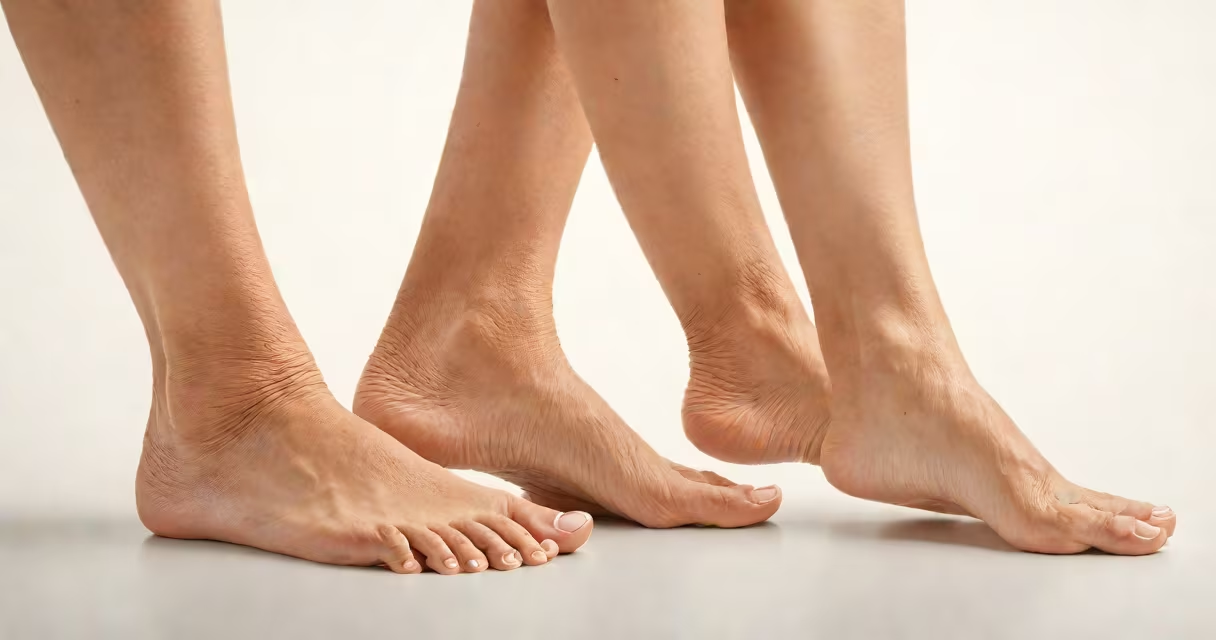
Swelling in the legs and feet-known medically as edema-occurs when excess fluid accumulates in tissues, typically in the lower extremities. This happens when blood vessels leak fluid into surrounding areas, often due to gravity pulling fluid downward.
Edema is not a disease itself but a symptom of an underlying issue. Common triggers include prolonged standing, sitting, or lying down, which reduce circulation. More serious causes involve heart, kidney, or liver dysfunction, where the body struggles to regulate fluids properly. Medications such as calcium channel blockers or NSAIDs can also contribute.
The American Heart Association notes that mild swelling after long flights or extended periods of standing usually resolves within hours with rest and elevation. However, persistent or painful swelling may signal a deeper problem requiring evaluation.
When blood flows through capillaries, small amounts of fluid seep into nearby tissues. Normally, veins and lymphatic vessels remove this fluid. But when circulation slows or vessel walls become more permeable, fluid builds up instead of draining.
Gravity plays a major role. In upright positions, fluid tends to pool in the feet and ankles. People who stand for long shifts-like retail workers or chefs-often notice morning swelling that improves after moving around. This is normal, temporary edema.
For those with venous insufficiency, damaged valves in leg veins fail to push blood back toward the heart. As a result, blood pools in the lower legs, increasing pressure and forcing fluid out. A 2021 study in *Journal of Vascular Surgery* found that nearly 40% of individuals over 60 show signs of mild venous insufficiency, though many remain asymptomatic until swelling appears.
Not all swelling is the same. Some causes are benign and temporary; others indicate systemic illness. Understanding the difference matters for timely care.
| Category | Typical Triggers | Duration | Red Flags |
|---|---|---|---|
| Temporary | Prolonged standing, travel, high salt intake | Hours to a day | Resolves with rest and elevation |
| Medication-related | Calcium channel blockers, steroids, NSAIDs | Days to weeks after starting drug | Appears shortly after beginning a new prescription |
| Chronic condition | Heart failure, kidney disease, cirrhosis | Persistent, worsens over time | Unexplained weight gain, shortness of breath, dark urine |
| Acute injury | Twisted ankle, sprain, trauma | Peaks within 24-48 hours | Pain, bruising, inability to bear weight |
One overlooked cause is pregnancy. Hormonal changes increase blood volume and relax vein walls, leading to swelling in the second and third trimesters. The National Institute of Child Health and Human Development reports that 70% of pregnant women experience some degree of leg and foot swelling, especially in hot weather or late in the day.
A non-obvious distinction: pitting vs. non-pitting edema. Pitting edema leaves a visible dent when pressed (e.g., pressing a finger into the ankle for 5 seconds). This indicates fluid retention and is common in heart or kidney issues. Non-pitting edema feels firm and doesn't indent-it's often linked to lymphatic blockage or hypothyroidism.
Swelling that doesn't improve after a few days, especially when paired with other symptoms, warrants medical attention. The Mayo Clinic advises seeking care if swelling is accompanied by chest pain, sudden shortness of breath, or skin discoloration.
For example, a 58-year-old man with a history of hypertension began experiencing bilateral ankle swelling after starting amlodipine, a calcium channel blocker prescribed for high blood pressure. Within two weeks, swelling worsened, and he developed fatigue and increased nighttime urination. Blood tests revealed elevated creatinine levels, indicating early-stage kidney impairment. His doctor adjusted his medication and added a diuretic. Swelling resolved in five days.
This case illustrates that medication-induced edema can mimic or mask organ dysfunction. The U.S. Food and Drug Administration lists peripheral edema as a known side effect of amlodipine, affecting up to 1 in 10 patients. Monitoring for swelling during treatment is standard practice.
Simple steps can reduce mild swelling: elevating legs above heart level for 15 minutes several times a day, wearing compression socks, reducing salt intake, and staying active. Walking every hour during long trips prevents fluid pooling.
I once observed a patient with stage 2 chronic venous insufficiency who improved after using graduated compression stockings daily. She reported less heaviness and reduced swelling after four weeks. Her primary care provider confirmed reduced venous reflux via Doppler ultrasound.
If swelling persists beyond a week despite home measures, consult a healthcare provider. Tests may include blood work (to assess kidney and liver function), urine analysis, echocardiogram, or ultrasound of leg veins. Early diagnosis prevents complications like skin ulcers or deep vein thrombosis.