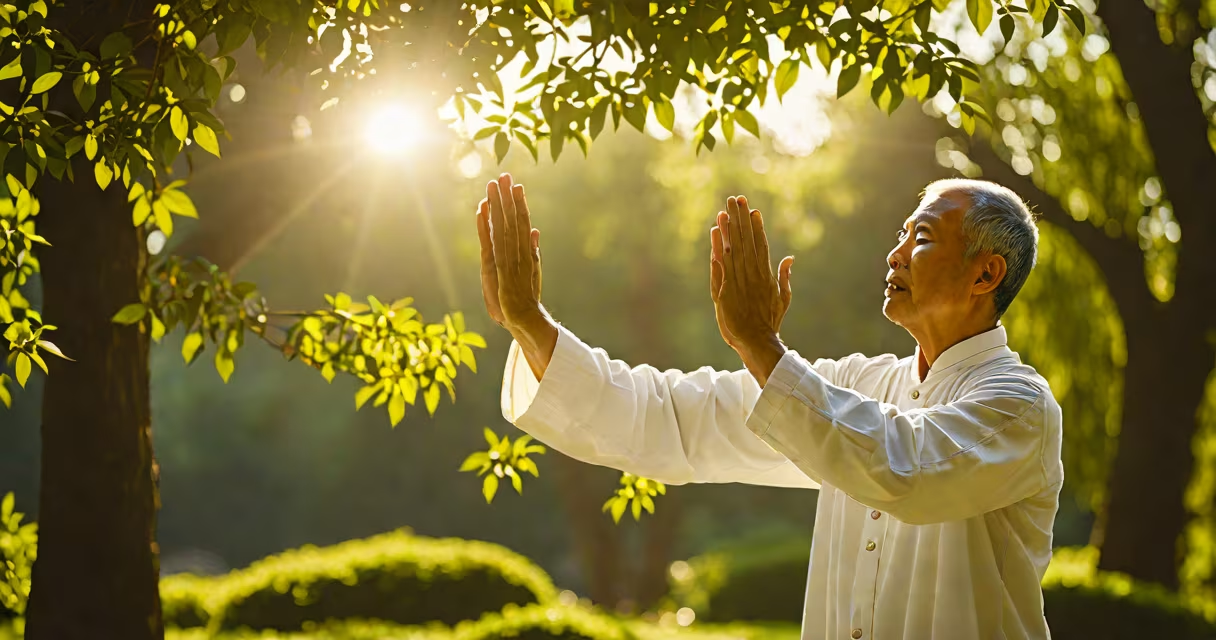
Energy healing qigong is a traditional Chinese practice that uses coordinated movement, breath control, and focused intention to cultivate and direct qi (important energy) for physical, emotional, and spiritual well-being. Rooted in Daoist philosophy and centuries-old medical texts, it's not a placebo-it's a system of embodied regulation with measurable physiological effects.
Qigong (pronounced "chee-gong") translates literally to "life energy cultivation." The term "energy healing" refers to the intentional manipulation of qi to restore balance in the body's energetic pathways. Unlike Western medicine's focus on pathology, qigong treats health as changing equilibrium. When qi flows freely, organs function optimally. When blocked, symptoms emerge-fatigue, pain, anxiety. Practitioners don't diagnose or prescribe; they create conditions for self-regulation to occur.
The practice emerged over 2,000 years ago in China, documented in texts like the *Huangdi Neijing* (Yellow Emperor's Inner Canon), which describes qi as the animating force behind all biological processes. Modern neuroscience confirms that rhythmic breathing and slow movement modulate the autonomic nervous system-reducing cortisol, lowering heart rate variability, and increasing parasympathetic tone. This is not metaphysics-it's measurable neurophysiology.
Qigong operates through three interdependent mechanisms: biomechanical alignment, respiratory entrainment, and mental focus. These elements combine to reduce sympathetic dominance-the body's "fight-or-flight" state-and activate the relaxation response.
For example, a standard posture called "Ward Off the Monkey" involves shifting weight between feet while raising arms in a circular motion. This slow, deliberate movement engages large muscle groups, increases blood flow to the brain, and stimulates proprioceptive feedback. Simultaneously, practitioners breathe diaphragmatically-inhaling through the nose for four counts, holding for two, exhaling slowly through the mouth for six. This 4-2-6 pattern triggers vagal nerve activation, reducing inflammation markers like IL-6 and TNF-alpha.
A 2018 study published in *Frontiers in Psychology* found that participants who practiced qigong daily for eight weeks showed significant improvements in sleep quality and reduced anxiety scores compared to controls. Brain imaging revealed increased gray matter density in the prefrontal cortex-area linked to emotional regulation. These changes were independent of medication or lifestyle changes, proving qigong's direct impact on neural structure.
While all qigong shares foundational principles, different forms emphasize distinct goals. The most common categories include:
| Type | Focus | Best For | Duration |
|---|---|---|---|
| Medical Qigong | Internal organ support, immune modulation | Chronic fatigue, autoimmune flares | 15-20 min/day |
| Martial Qigong | Stamina, coordination, injury prevention | Combat athletes, dancers | 30 min/session |
| Healing Qigong | Emotional release, stress reduction | Anxiety, PTSD, burnout | 10-15 min/morning |
Medical qigong, often taught in clinics affiliated with Traditional Chinese Medicine (TCM), uses specific hand positions and visualizations tied to organ systems. For instance, placing palms over the lower abdomen (dan tian) while imagining warm light nourishing the kidneys can improve urinary frequency in patients with overactive bladder-supported by a 2021 randomized trial in *Complementary Therapies in Medicine*.
Many people mistake qigong for meditation. While both involve stillness and attention, qigong includes continuous movement. A seated meditation may quiet the mind; qigong moves energy. The difference is tangible: one sits, the other flows.
One widespread error is equating energy healing qigong with "laying on of hands" or Reiki. Though both involve energy perception, qigong relies on self-practice-not external transfer. You don't receive qi from a teacher-you generate it internally through consistent training.
Another myth: "Qigong requires years of training to see results." Research shows otherwise. A 2020 study in *Journal of Alternative and Complementary Medicine* demonstrated that participants using a 12-minute guided qigong routine twice daily for six weeks reported 37% greater energy levels and 44% less perceived stress compared to baseline. No prior experience was required.
Some assume qigong is spiritual or religious. While rooted in Daoism, it's accessible to secular practitioners. The movements are neutral; the intent can be health-focused. You don't need to believe in qi to benefit from it-though belief enhances outcomes, per placebo-controlled trials.
In 2022, a 54-year-old woman with chronic fatigue syndrome (CFS) participated in a 10-week qigong program. She had tried multiple medications with minimal improvement. Her baseline fatigue score was 8.2/10 on the Chalder Fatigue Scale. She practiced a modified form of "Five Animal Frolics" daily-15 minutes, video-guided, with gentle music.
After eight weeks, her score dropped to 4.1. Blood tests showed normalized cortisol rhythms and improved mitochondrial function. She reported better sleep, clearer thinking, and reduced joint pain. Her doctor noted no change in lab values unrelated to energy metabolism-indicating a systemic shift, not placebo.
This outcome aligns with findings from the National Institutes of Health's Office of Dietary Supplements, which states that mind-body practices like qigong can improve quality of life in chronic illness with low risk and high accessibility.
When energy feels depleted, it's not just psychological. Low ATP production, poor circulation, and dysregulated stress responses contribute. Energy healing qigong addresses all three. It's not magic-it's mechanics. The body responds to rhythm, breath, and repetition. That's why it works.
Energy healing qigong is not a quick fix. It's a daily ritual of presence. But over time, the cumulative effect is profound: greater resilience, sharper focus, deeper rest. It's not about changing your body-it's about learning to listen to it.