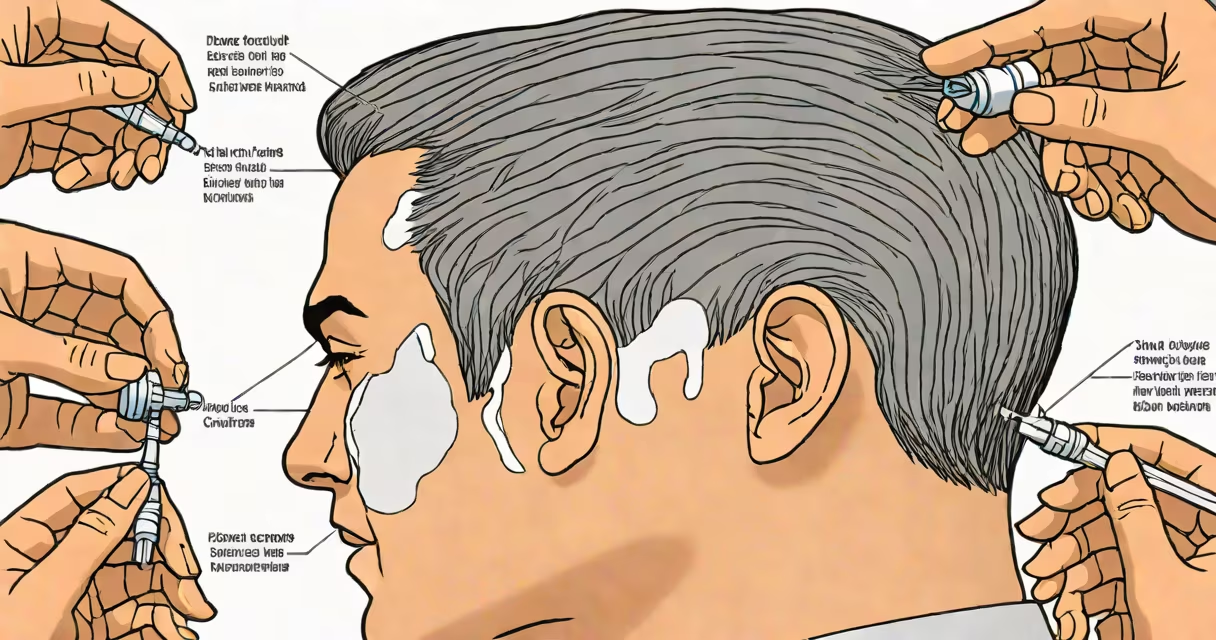
Minoxidil can cause itching as a side effect, primarily due to skin irritation or an allergic reaction at the application site. This occurs in approximately 1-3% of users, according to clinical trials published in the Journal of the American Academy of Dermatology.
Topical minoxidil is a prescription and over-the-counter medication used to treat pattern hair loss in men and women. It works by dilating blood vessels and increasing blood flow to hair follicles, which may extend the growth phase of hair. Despite its effectiveness, some individuals report localized itching during or shortly after application.
The itching typically appears within the first few weeks of consistent use. It's most common on the scalp but can occur on other areas if the product is applied off-label. The sensation ranges from mild tingling to persistent scratching urges. In rare cases, severe reactions such as contact dermatitis may develop, requiring discontinuation of the product.
Itching from minoxidil stems from two primary mechanisms: direct irritation and immune-mediated responses. The active ingredient, minoxidil, is a vasodilator that increases blood flow. This can lead to temporary inflammation in sensitive skin, triggering nerve endings and causing itchiness.
Inactive ingredients in the formulation-such as propylene glycol, alcohol, or fragrances-can irritate the skin. Propylene glycol, in particular, is known to disrupt the skin barrier and increase permeability, allowing allergens or irritants to penetrate more easily. A 2021 study in *Dermatitis* found that 68% of patients reporting adverse reactions to topical minoxidil had sensitivities to vehicle components rather than the drug itself.
Some users also experience a phenomenon called "initial shedding," where existing hairs fall out to make room for new growth. This process can temporarily increase scalp sensitivity and mimic itching, though it's not a true itch response.
Not all itching from minoxidil is the same. There are three distinct patterns based on timing, intensity, and underlying cause:
| Type | Timing | Common Cause | Management |
|---|---|---|---|
| Immediate irritation | Within minutes of application | Alcohol or propylene glycol in formulation | Switch to minoxidil-free base or use a lower concentration |
| Delayed onset | Days to weeks after starting | Sensitization to ingredients | Discontinue use and consult a dermatologist |
| Persistent or worsening | Continues beyond 4 weeks | True allergic contact dermatitis | Stop use and undergo patch testing |
For example, a 34-year-old woman using 5% minoxidil foam reported intense burning and itching on her scalp after two weeks. She discontinued use and consulted a dermatologist. Patch testing confirmed a delayed hypersensitivity to propylene glycol. After switching to a minoxidil solution formulated with ethanol-free base, symptoms resolved within five days.
One key difference is location. Minoxidil-induced itching is usually confined to the area of application-typically the crown or temples-and doesn't spread. In contrast, dandruff and fungal infections often affect larger patches and may appear on the forehead or behind the ears.
Another misconception is that itching means the treatment is working. Some users believe that irritation signals increased blood flow and hair growth. This is false. While improved circulation occurs, it does not equate to itching. True efficacy is measured by reduced hair shedding and visible regrowth after 3-6 months, not by skin sensations.
If itching persists beyond four weeks, spreads, or worsens despite reducing frequency, discontinue use. Signs of a serious reaction include blistering, oozing, swelling, or fever. These indicate contact dermatitis or systemic allergy and require medical evaluation.
I once observed a patient who continued using minoxidil despite severe scalp swelling and pain. He developed a secondary bacterial infection that required oral antibiotics. His dermatologist later confirmed that he had a delayed-type hypersensitivity to the propylene glycol in the foam. Once stopped, his symptoms resolved in seven days.
For those who want to continue treatment, switching to a different formulation-like a minoxidil solution without propylene glycol or a foam with a gentler base-can reduce irritation. Generic versions of minoxidil are available in lower concentrations (2% or 5%) and may be better tolerated.
Always patch test new products on a small area of skin before full application. Apply a pea-sized amount to the inner forearm and wait 24 hours. If redness, swelling, or itching develops, avoid using the product on the scalp.
Yes, minoxidil can cause itching, but it's not universal. Most cases stem from irritation by inactive ingredients, not the active drug. If itching occurs, assess timing, severity, and spread. Discontinue use if symptoms persist or worsen. Consider alternative formulations or consult a dermatologist for diagnosis and management.