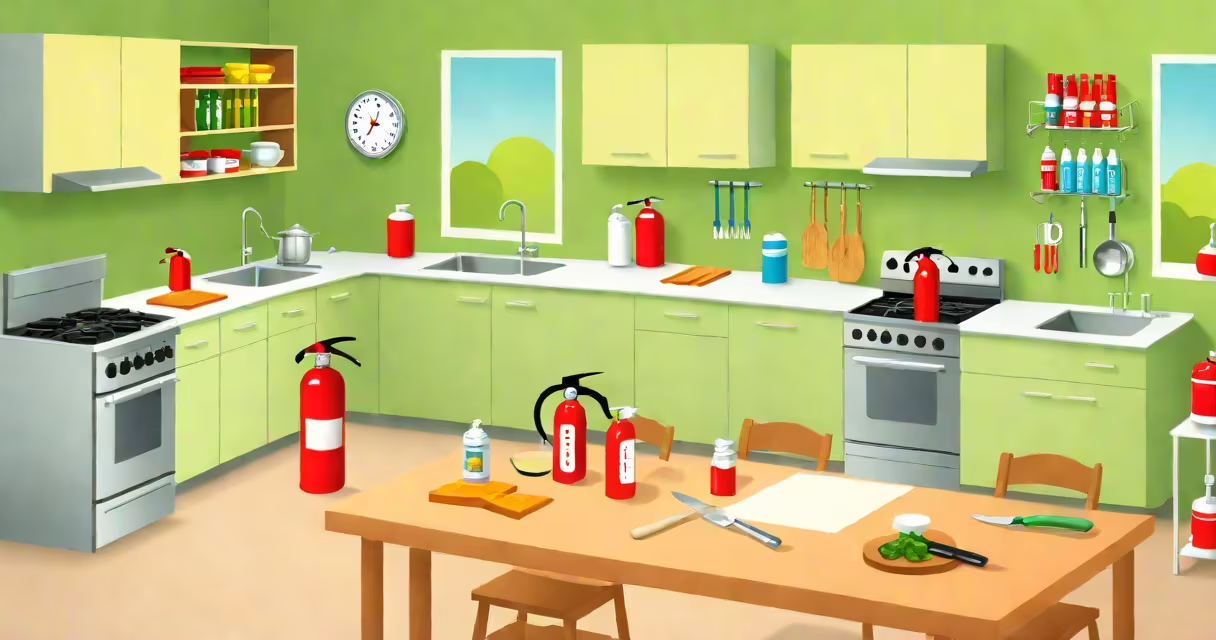
Kitchen safety refers to the set of practices, tools, and behaviors designed to prevent injuries and contamination during food preparation, cooking, and cleaning. It includes managing heat, sharp objects, electrical appliances, and cross-contamination risks. The goal is to create a controlled environment where accidents and foodborne illnesses are minimized.
The Centers for Disease Control and Prevention (CDC) reports that about 1 in 6 Americans gets a foodborne illness each year, with roughly 128,000 hospitalizations and 3,000 deaths annually. Many of these cases stem from preventable kitchen errors-such as improper storage, undercooking meat, or using contaminated cutting boards-making kitchen safety not just a convenience but a public health necessity.
Proper kitchen safety begins with recognizing common hazards. These include slips on wet floors, burns from stovetops or microwaves, cuts from knives, and electrical shocks from faulty cords. Food-specific risks involve bacterial growth (like Salmonella or E. coli), allergen exposure, and chemical contamination from cleaning products stored near food.
Kitchen safety operates through layered controls: engineering controls (like automatic shutoffs on kettles), administrative controls (training staff on handwashing), and personal protective equipment (aprons, oven mitts). These layers reduce risk at multiple points.
For example, a gas stove with a flame failure device automatically shuts off the gas if the flame goes out. This prevents gas buildup and potential explosion. According to the National Fire Protection Association (NFPA), cooking fires are the leading cause of home fires, accounting for 15% of all reported residential fires in 2022. Devices like automatic shut-off valves and smoke detectors are critical in reducing fatality rates.
Hygiene is equally important. The CDC states that handwashing reduces the risk of foodborne illness by up to 50%. A single unclean hand can transfer millions of bacteria. Using soap and water for at least 20 seconds-especially after touching raw meat, eggs, or trash-is essential. Even brief lapses in routine can lead to outbreaks.
Kitchen safety measures fall into four categories: physical, procedural, environmental, and behavioral.
| Type | Examples | Function |
|---|---|---|
| Physical | Non-slip mats, blade guards, outlet covers | Prevent falls, cuts, and electric shock |
| Procedural | Separate cutting boards for meat and vegetables, time-temperature charts | Stop cross-contamination and ensure thorough cooking |
| Environmental | Exhaust fans, proper lighting, ventilation | Reduce fumes, improve visibility, prevent mold |
| Behavioral | Wearing closed-toe shoes, labeling containers, regular cleaning schedules | Encourage consistent habits that reduce error |
A non-obvious fact: many kitchen accidents occur during cleanup, not cooking. A 2021 study published in the Journal of Occupational and Environmental Medicine found that 38% of kitchen-related injuries in commercial settings happened while washing dishes or wiping counters. This highlights the need for safety protocols beyond meal prep.
People often mistake "kitchen safety" for only preventing burns or cuts. But it also includes food safety-like avoiding cross-contamination between raw chicken and salad ingredients. A single shared cutting board can transfer harmful pathogens. The U.S. Department of Agriculture (USDA) advises using color-coded boards: red for raw meat, green for produce, blue for fish.
Another misconception is that all kitchen fires start on the stove. In reality, microwave fires are rising. Overheating metal containers or using plastic wrap in microwaves causes rapid ignition. The NFPA notes that 17% of kitchen fires originate in microwaves, often due to user error.
Some assume that a clean kitchen equals a safe kitchen. But cleanliness doesn't eliminate biological risks. A surface wiped with a damp cloth may still harbor Listeria monocytogenes, which thrives in cold environments. The USDA recommends sanitizing surfaces with a solution of 1 tablespoon of bleach per gallon of water after handling raw foods.
In 2019, a family in Oregon experienced a kitchen fire caused by a toaster left unattended near a paper towel dispenser. The flame spread rapidly, resulting in $28,000 in property damage. The incident was preventable: the National Fire Protection Association (NFPA) requires that flammable materials be kept at least three feet away from heat sources.
Consider this scenario: You're preparing dinner. You cut raw chicken on a cutting board, then use the same board to slice tomatoes without cleaning it. After eating, your family develops nausea, vomiting, and diarrhea within six hours. A doctor diagnoses salmonellosis. The source? Cross-contamination from the unclean board.
To prevent this:
These steps align with FDA Food Code standards, which mandate that food handlers follow strict separation and sanitation rules in both homes and restaurants.
When working in a professional kitchen, safety protocols are enforced through training and inspections. For example, a chef at a New York City restaurant was fined $1,500 in 2020 for failing to store raw seafood at 40°F or below, violating city health codes. The temperature violation led to a confirmed case of Vibrio infection in a customer.
Even in private homes, applying these principles matters. A 2022 survey by the Consumer Product Safety Commission found that 43% of households had at least one kitchen appliance with a known defect-such as frayed cords or malfunctioning switches-yet only 18% reported replacing them promptly.
Understanding the definition of kitchen safety means seeing it as a changing system, not a checklist. It involves ongoing vigilance, education, and adaptation to new risks-like smart appliances that track usage patterns or apps that remind users to wash hands.
Kitchen safety is not optional. It's a daily practice rooted in science, regulation, and real-world consequences. feeding a crowd, following proven methods reduces harm and builds confidence in the kitchen.