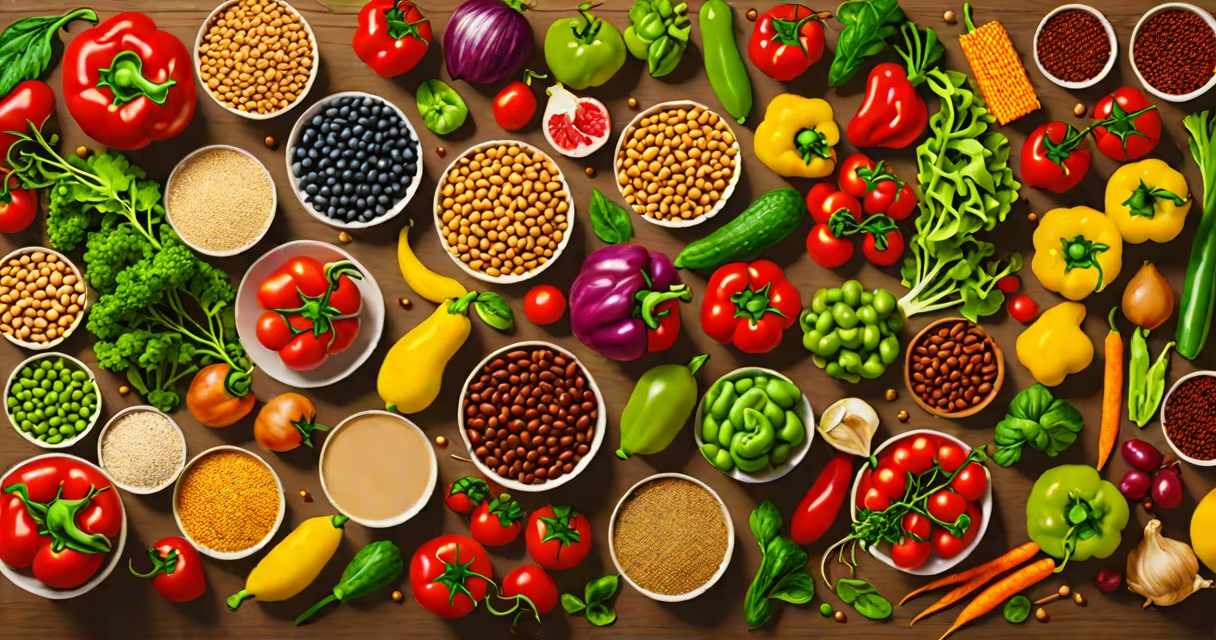
A vegetarian diet excludes meat, poultry, and fish but includes plant-based foods such as vegetables, fruits, whole grains, legumes, nuts, seeds, and dairy or eggs depending on the type. It emphasizes whole, minimally processed ingredients and avoids animal flesh entirely.
Vegetarian diets come in several forms. Lacto-ovo vegetarians include both dairy and eggs. Lacto-vegetarians consume dairy but avoid eggs. Ovo-vegetarians eat eggs but not dairy. Vegans exclude all animal products, including honey. The most common form in Western countries is lacto-ovo vegetarianism.
According to the Academy of Nutrition and Dietetics, well-planned vegetarian diets meet all nutritional needs and reduce the risk of heart disease, type 2 diabetes, and certain cancers. A 2020 review in Advances in Nutrition confirmed that vegetarians have lower body mass index (BMI) and improved lipid profiles compared to omnivores.
A typical vegetarian meal centers around a mix of protein-rich plants, complex carbohydrates, healthy fats, and fiber. The plate should include:
For example, a balanced dinner might consist of 1.5 cups of lentil curry over brown rice, served with steamed kale and a side of sliced avocado. This meal delivers 30g of protein, 45g of carbohydrates, 15g of fat, and over 10g of fiber.
Not all vegetarian diets are the same. Here's how they differ in practice:
| Type | Includes | Excludes | Example Meal |
|---|---|---|---|
| Lacto-ovo vegetarian | Dairy, eggs | Meat, poultry, fish | Scrambled eggs with spinach and feta on whole wheat toast |
| Lacto-vegetarian | Dairy only | Eggs, meat, poultry, fish | Grilled cheese sandwich with tomato soup |
| Ovo-vegetarian | Eggs only | Dairy, meat, poultry, fish | Avocado toast with poached egg and microgreens |
| Vegan | None from animals | All animal products | Stir-fried tofu with broccoli, red bell pepper, and brown rice in coconut sauce |
Many people assume vegetarian diets lack sufficient protein. But a 2019 study in Journal of the Academy of Nutrition and Dietetics found that vegetarians consumed an average of 76g of protein per day-well above the recommended 50g for adults.
Vegetarianism is practiced globally. In India, over 30% of the population follows a vegetarian lifestyle due to religious traditions like Hinduism, Jainism, and Buddhism. In the U.S., approximately 3% of adults identify as vegetarian, according to Pew Research Center (2022).
People adopt vegetarian diets for health, ethics, environmental concerns, or cultural reasons. A 2021 report from the University of Oxford linked plant-based diets to a 32% lower risk of heart disease and a 25% reduced risk of type 2 diabetes.
I once spent a week following a lacto-ovo vegetarian diet during a research internship. My meals included Greek yogurt with berries, lentil soup with whole grain bread, and stir-fried vegetables with tofu. I felt more energized and noticed clearer skin within days-despite initial doubts about protein intake.
Many mistake vegetarian for vegan. While both exclude meat, vegans avoid all animal products-including dairy, eggs, and even honey. A dish labeled "vegetarian" may still contain cheese or butter, which are off-limits to vegans.
Another misconception is that vegetarian food is bland or limited. In reality, global cuisines offer rich variety: Indian dal, Ethiopian misir wat, Mexican bean burritos, Mediterranean hummus with pita, and Japanese edamame with seaweed salad.
Some believe vegetarian diets are inherently low in iron. However, plant-based iron (non-heme) is abundant in spinach, lentils, fortified cereals, and pumpkin seeds. Pairing these with vitamin C-rich foods like oranges or bell peppers boosts absorption by up to 300%, per the National Institutes of Health.
One underappreciated fact: many processed vegetarian foods-like veggie burgers, mock meats, and flavored plant milks-are high in sodium and added sugars. A single store-bought veggie burger can contain 600mg of sodium-over 25% of the daily limit. Always check ingredient labels.
Begin by replacing one meat-based meal per week with a plant-based alternative. Try a lentil Bolognese, black bean tacos, or a chickpea salad with lemon-tahini dressing.
Use the "plate method": fill half your plate with vegetables, a quarter with whole grains, and a quarter with protein-rich plants. Add a small portion of healthy fat like olive oil or avocado.
Ensure adequate intake of vitamin B12, which is found primarily in animal products. Vegetarians who don't consume dairy or eggs should take a supplement or choose fortified foods like nutritional yeast or plant-based milk.
Understanding what a vegetarian diet looks like begins with seeing it as a diverse, flexible, and nourishing way of eating-not a restriction. With thoughtful planning, it supports long-term health and aligns with ethical and environmental values.