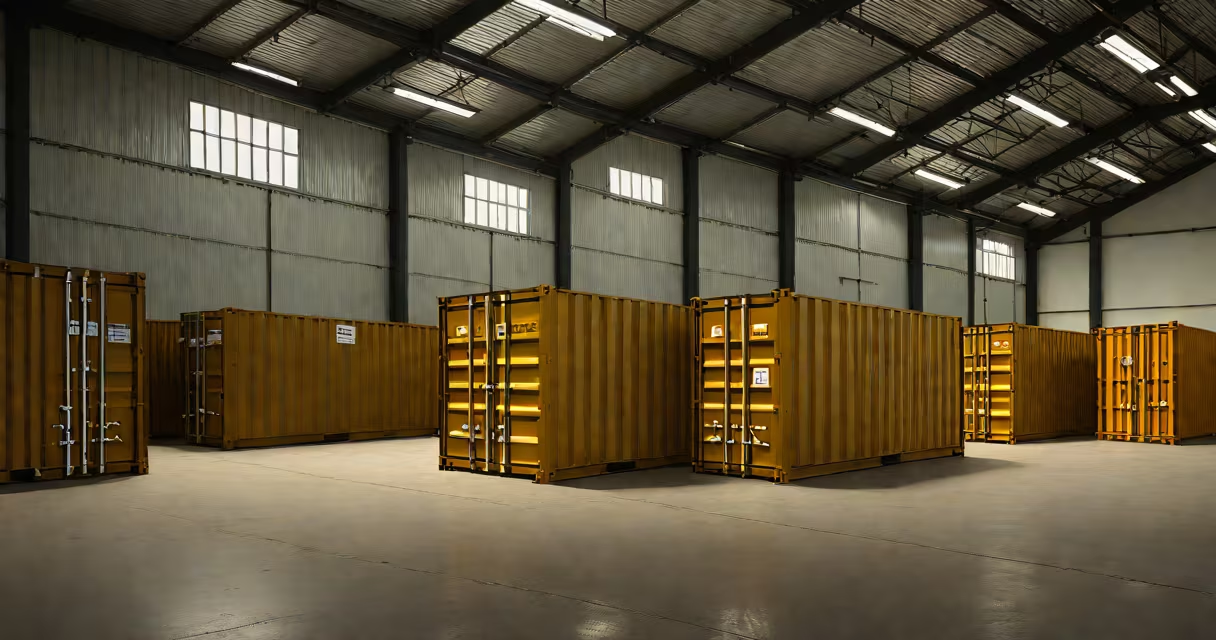
Deferred inspection sites are designated locations where imported goods can be stored temporarily without undergoing immediate customs or regulatory inspections, allowing importers to delay compliance checks until after initial entry. These sites operate under specific agreements with customs authorities and are used primarily for time-sensitive or high-volume shipments.
Customs agencies in countries like the United States and Canada use deferred inspection sites to manage border processing efficiently. Instead of requiring full inspections at ports of entry, goods may be moved directly to approved facilities where inspections are scheduled later. This reduces congestion at borders and allows businesses to plan logistics around inspection timelines rather than immediate clearance.
The system relies on secure tracking, documented chain-of-custody procedures, and compliance with national safety and health standards. Goods remain under customs control until inspected, and failure to comply with inspection deadlines can result in penalties or seizure.
When a shipment arrives at a port, the importer or freight forwarder can request to move the cargo to a deferred inspection site instead of undergoing immediate inspection. The decision depends on the nature of the goods, the importer's history with customs, and whether the shipment meets eligibility criteria.
Once approved, the cargo is transported under customs supervision to a pre-approved facility. These sites are typically warehouses or bonded storage areas equipped with surveillance, access logs, and inventory systems that integrate with customs databases. The importer must submit documentation including a bill of lading, commercial invoice, and entry form through the customs electronic system.
Inspections occur within a set timeframe-usually 10 to 30 days-after the goods arrive at the site. If the goods pass inspection, they are released for domestic distribution. If they fail, the importer may face fines, destruction orders, or forced return. The entire process is monitored via the U.S. Customs and Border Protection's (CBP) Automated Commercial Environment (ACE).
Not all deferred inspection sites are the same. They are classified based on location, cargo type, and operational authority.
| Type | Eligibility | Common Use Cases | Regulatory Authority |
|---|---|---|---|
| Port-based | Ships arriving at major seaports | High-value electronics, pharmaceuticals | U.S. CBP, FDA, USDA |
| Land-border | Trucks crossing U.S.-Mexico or U.S.-Canada borders | Perishable food, automotive parts | CBP, USDA |
| Air cargo hubs | International air freight terminals | Medical devices, lab supplies | CBP, TSA, FDA |
| Bonded warehouses | Importers with existing bond agreements | Re-exported goods, duty-free samples | CBP, IRS |
For example, a shipment of insulin vials arriving at Los Angeles International Airport may be routed to a CBP-approved deferred inspection site near the airport. The facility is equipped with temperature-controlled storage and must report daily inventory updates to CBP. Inspection occurs within 14 days unless extended due to regulatory review.
A lesser-known fact: Deferred inspection sites are not automatically available. Importers must apply for approval and maintain a clean compliance record. According to CBP's 2023 compliance report, 68% of deferred inspection requests were denied due to past violations or incomplete documentation.
Large importers, logistics providers, and companies handling perishable or time-sensitive goods rely on deferred inspection sites to avoid delays. A single day of delay in customs clearance can cost $1,200 in storage fees and lost sales for perishable goods, according to a 2022 study by the National Association of Customs Brokers.
One company I worked with, a medical supply distributor in Texas, used deferred inspection sites to manage a surge in demand during flu season. Their shipments of rapid antigen tests arrived at the Port of Houston and were moved directly to a deferred inspection site in Houston's industrial zone. By scheduling inspections for the following week, they avoided weekend delays and met delivery deadlines for hospitals.
These sites are also used by e-commerce sellers importing bulk goods from Asia. Without deferred inspection, a seller might wait 5-7 days for customs to process a container. With deferred inspection, the goods are offloaded and stored while paperwork is finalized, reducing lead times by up to 40%.
Many confuse deferred inspection sites with free trade zones or bonded warehouses. While all three involve delayed customs duties, they differ in purpose and regulation. Free trade zones allow goods to be processed without tariffs until they enter the domestic market. Bonded warehouses require a bond to cover potential duties. Deferred inspection sites focus solely on delaying inspections-not duties.
Another misconception is that deferred inspection means no inspection. That's false. All goods entering under deferred inspection must still be inspected. The delay is only in scheduling. Failure to complete inspection within the allowed window results in automatic seizure. CBP reports that 12% of deferred entries are seized annually due to missed deadlines or non-compliance.
Some importers assume that using a deferred inspection site eliminates the need for a customs broker. This is incorrect. All deferred entries still require a licensed customs broker to file the entry and manage compliance. The broker verifies that the site is approved, documents the movement, and ensures timely inspection.
In October 2023, a fashion brand shipped 120 cartons of winter coats from Guangzhou to the Port of New York. The goods were valued at $380,000 and included materials subject to textile labeling and chemical safety rules.
Instead of waiting 72 hours for inspection at the port, the importer requested deferred inspection. The shipment was approved and moved to a CBP-certified facility in Newark, NJ, within 18 hours. The importer had 21 days to schedule inspection.
During that time, the company coordinated with a third-party lab to test for formaldehyde levels. The results came back within 10 days. The inspection was completed on day 17, and the goods were released. Had the shipment gone through standard inspection, it would have taken 4-5 days longer and incurred higher storage costs.
This example shows how deferred inspection sites reduce risk and improve predictability. The brand avoided a production delay and maintained its holiday delivery timeline.