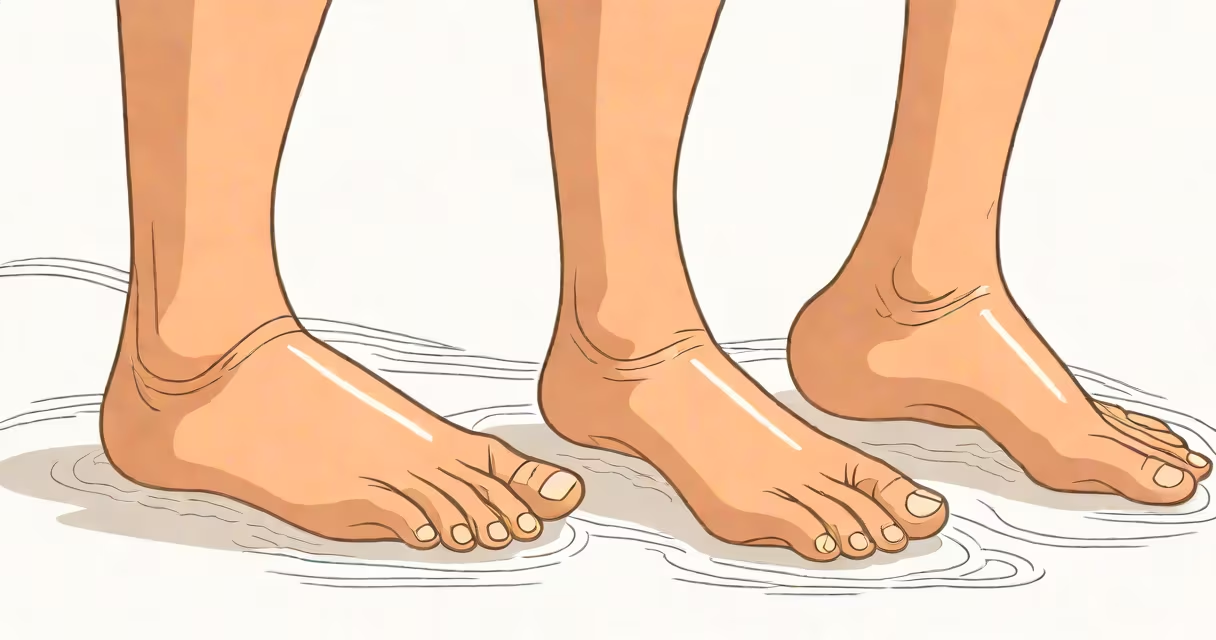
Swelling in the feet and legs occurs when excess fluid accumulates in tissues, often due to poor circulation, injury, or systemic health issues. This condition, known as edema, can result from prolonged standing, medication side effects, or serious underlying diseases.
Edema develops when capillaries leak fluid into surrounding tissue. Normally, the lymphatic system removes this fluid, but when overwhelmed or impaired, swelling appears. Most cases involve the lower limbs because gravity pulls fluid downward. Swelling may start subtly-tighter shoes, rings that don't fit-but can progress to visible puffiness, skin that retains an indentation when pressed (pitting edema), or discomfort.
While mild swelling often resolves with rest and elevation, persistent or painful swelling signals a need for evaluation. The American Heart Association notes that leg swelling can indicate heart, kidney, or liver dysfunction. The Mayo Clinic identifies over 30 potential causes, ranging from lifestyle factors to chronic disease.
When blood vessels dilate or become more permeable, plasma leaks into interstitial spaces. Sodium and water follow via osmotic gradients. The lymphatic system normally clears this fluid, but if overwhelmed or blocked, swelling persists. Factors that increase capillary pressure-such as sitting still for hours-accelerate leakage.
A simple test for pitting edema: press firmly on the ankle for five seconds. If a dent remains for several seconds, fluid is present. Non-pitting edema-where pressure leaves no mark-is linked to conditions like hypothyroidism or lymphedema.
For example, a 62-year-old woman with type 2 diabetes reported bilateral ankle swelling after walking 10 miles during a charity event. She had no pain but noticed her socks left marks. Her primary care provider confirmed mild pitting edema and ruled out heart failure through an echocardiogram. The cause was likely prolonged standing and fluid retention from insulin therapy.
Causes fall into four categories: physiological, circulatory, metabolic, and traumatic. Understanding which category applies helps determine urgency and treatment.
| Type | Examples | Key Triggers |
|---|---|---|
| Physiological | Pregnancy, menstrual cycle, heat exposure | Increased blood volume, hormonal shifts, vasodilation |
| Circulatory | Deep vein thrombosis (DVT), venous insufficiency, heart failure | Impaired return of blood to the heart, valve damage |
| Metabolic | Chronic kidney disease, hypothyroidism, protein deficiency | Reduced oncotic pressure, sodium retention |
| Traumatic/Inflammatory | Fractures, sprains, infections, gout | Local inflammation, tissue damage |
Physiological swelling typically resolves within hours after activity stops. Circulatory causes require medical attention-especially DVT, which can lead to pulmonary embolism. A 2021 study in the Journal of the American College of Cardiology found that 15% of patients hospitalized with heart failure presented with bilateral leg swelling.
Metabolic causes are less obvious. Hypothyroidism reduces metabolic rate and impairs fluid clearance. Low serum albumin levels-common in malnutrition or liver disease-lower oncotic pressure, pulling fluid into tissues. A patient with advanced cirrhosis may develop ascites and peripheral edema simultaneously.
Many assume swelling is simply "water weight" or a normal part of aging. But swelling in older adults often indicates treatable conditions. The National Institute on Aging warns that unexplained leg swelling increases risk of hospitalization and mortality.
Another misconception: swelling only affects the lower legs. It can appear in the hands, face, or abdomen. Generalized edema suggests systemic illness. For example, nephrotic syndrome causes protein loss in urine, leading to generalized swelling, including around the eyes.
Red flags include sudden onset, asymmetry, warmth, redness, or pain. These suggest infection or DVT. A 45-year-old man developed rapid swelling in his left calf after a long flight. He had fever and tenderness. Doppler ultrasound confirmed DVT. Anticoagulants were started immediately to prevent clot migration.
Swelling that worsens ultimately or improves with elevation is usually benign. But if swelling doesn't improve after 24 hours of rest, or if it spreads to the trunk, seek care. The CDC recommends prompt evaluation for any new swelling with shortness of breath-possible pulmonary embolism.
Swelling lasting more than a few days, especially with weight gain, fatigue, or breathing difficulty, requires evaluation. The American College of Physicians advises checking for signs of heart failure: orthopnea (need to sleep upright), paroxysmal nocturnal dyspnea, or reduced exercise tolerance.
Medications are a frequent overlooked cause. Diuretics reduce fluid but can cause rebound swelling if discontinued abruptly. Calcium channel blockers-used for hypertension-commonly cause pedal edema. A 2020 review in the British Journal of Clinical Pharmacology found that 12% of patients on amlodipine reported leg swelling.
I once observed a patient who developed swelling after switching from lisinopril to losartan. Blood pressure remained stable, but edema emerged. Switching back resolved the issue. This illustrates that drug-induced swelling may not be apparent until a change in regimen.
Swelling in the feet and legs is rarely trivial. While temporary causes exist, persistent or worsening symptoms demand investigation. Early diagnosis prevents complications like skin ulcers, infections, or organ failure. Recognizing patterns-timing, location, associated symptoms-guides appropriate action.