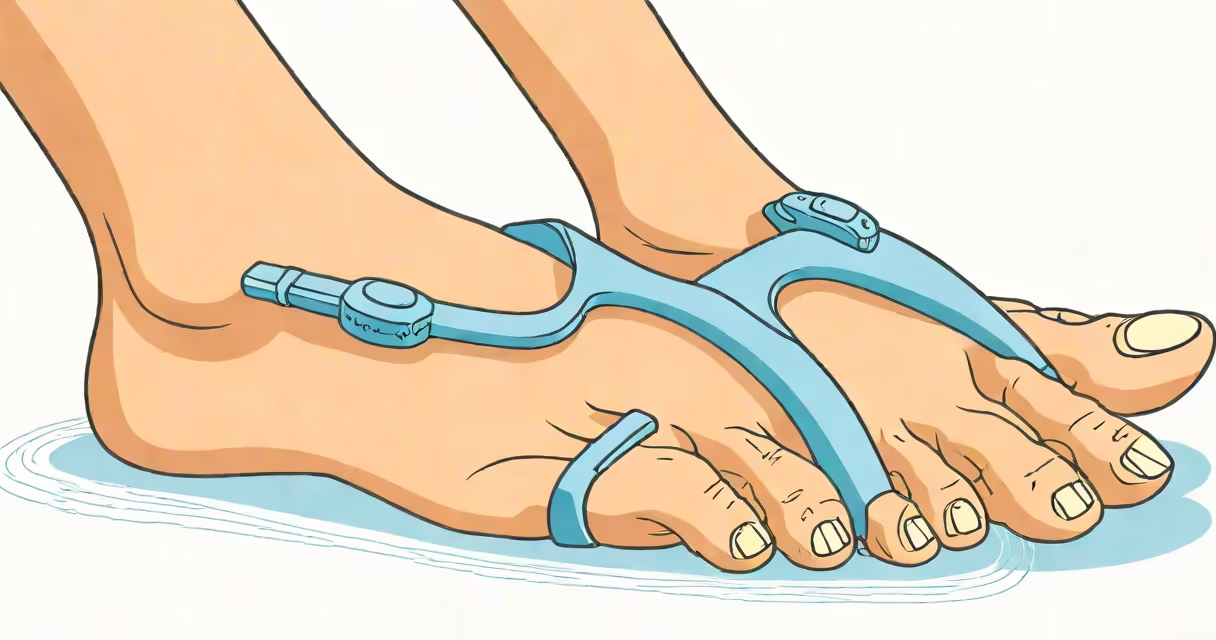
A bunion is a bony bump at the base of the big toe caused by misalignment of the metatarsophalangeal joint. Treatment options range from conservative measures like shoe modifications and orthotics to surgical correction when pain or deformity limits daily function.
Bunions develop when the big toe angles inward toward the second toe, pushing the joint outward. This shift increases pressure on the joint's soft tissues and bone, leading to inflammation, swelling, and pain. The condition often worsens over time, especially with tight footwear or prolonged standing. According to the American Podiatric Medical Association, bunions affect about 36% of adults over age 65, with higher prevalence in women due to footwear choices.
Conservative treatments aim to relieve symptoms and slow progression. These include wearing wide-toe-box shoes, using bunion pads or gel sleeves, and inserting custom orthotics to redistribute pressure. A 2021 study in the Journal of Foot and Ankle Research found that 68% of patients reported reduced pain after six weeks of consistent orthotic use, though no structural correction occurred.
Non-surgical care focuses on symptom management and preventing further joint damage. These methods do not reverse the bunion's underlying structure but can improve comfort and mobility.
Shoe modification is the most accessible option. Shoes with a wide, deep toe box allow the toes to lie flat without compression. Avoiding high heels and narrow dress shoes reduces mechanical stress on the joint. The American Academy of Orthopaedic Surgeons recommends avoiding shoes with heels over 2 inches to minimize forefoot pressure.
Orthotic devices-custom or over-the-counter inserts-help correct gait imbalances and reduce pressure on the bunion site. A 2019 randomized controlled trial showed that patients using custom foot orthoses experienced 40% less pain during walking compared to those using placebo inserts. These devices work by realigning weight distribution across the foot's arch and ball.
| Treatment Type | Effectiveness (Pain Reduction) | Duration of Benefit | Limitations |
|---|---|---|---|
| Wide-toe-box footwear | Modest (30-40%) | Continuous use required | Doesn't address joint misalignment |
| Over-the-counter orthotics | Moderate (40-50%) | Weeks to months | Less precise than custom versions |
| Custom orthotics | High (50-60%) | Months to years | Higher cost, requires fitting |
| Bunion pads/gel sleeves | Low (10-20%) | Short-term | Only protects surface skin |
Physical therapy may complement these strategies. Exercises targeting toe strength and flexibility can improve joint stability. A 2020 study in the Journal of Orthopaedic & Sports Physical Therapy found that patients doing daily toe curls and towel scrunches for eight weeks improved toe alignment by an average of 5 degrees.
Surgery is considered when non-surgical methods fail to control pain or when the deformity interferes with walking, standing, or wearing shoes. Surgery aims to realign bones, remove excess tissue, and restore joint function.
Common procedures include the distal osteotomy (bone cut near the toe joint), the scarf osteotomy (a more stable, angled cut), and the Lapidus procedure (fusion of the first metatarsal-cuneiform joint). The choice depends on bunion severity, joint stability, and patient activity level.
A 2022 review in Foot & Ankle International reported that 87% of patients undergoing scarf osteotomy had good or excellent outcomes at two-year follow-up, with 92% reporting satisfaction. Recovery typically takes 6-12 weeks, during which patients wear a surgical boot and avoid weight-bearing activities.
One common misconception is that bunion surgery always results in a "perfect" foot. In reality, surgeons prioritize pain relief and functional improvement over cosmetic perfection. A 2021 retrospective analysis found that 15% of patients still experienced mild discomfort or stiffness after surgery, particularly during cold weather or long walks.
Surgery is not recommended for mild bunions with minimal symptoms. Guidelines from the American College of Foot and Ankle Surgeons state that surgical intervention should be reserved for cases where pain persists despite conservative care and affects quality of life.
For example, a 54-year-old woman with a grade 2 bunion (measured at 15 degrees of hallux valgus angle) reported persistent pain while walking her dog or shopping. After six months of orthotics and shoe changes, she still struggled to wear flat shoes. She underwent a scarf osteotomy and returned to normal activities within 10 weeks. Her post-op X-ray showed corrected alignment, and she reported 90% pain reduction at one year.
Patients should avoid surgery if they have uncontrolled diabetes, peripheral neuropathy, or poor circulation, as healing risks increase. Smoking also impairs tissue repair and raises infection risk. The American Society for Metabolic and Bariatric Surgery notes that smokers have a 30% higher rate of postoperative complications in foot surgeries.
Many assume that bunion surgery is a quick fix with no recovery. In reality, most procedures require several weeks of limited activity and physical therapy. Some patients expect immediate return to running or dancing, but full recovery often takes four to six months.
Another error is believing that bunion splints or toe spacers can correct the deformity. These devices may temporarily align toes but do not alter bone position. A 2018 study in the Journal of the American Podiatric Medical Association found no measurable change in bunion angle after 12 weeks of nightly splint use.
Finally, some patients think surgery guarantees permanent correction. Recurrence rates vary by procedure: 5-10% for scarf osteotomy, up to 20% for simpler procedures like bunionectomy without bone realignment. Choosing a surgeon with experience in bunion reconstruction lowers recurrence risk.
When evaluating bunion treatment options, focus on pain reduction, functional improvement, and long-term joint health. Conservative care remains first-line for most. Surgery offers lasting relief for severe cases but requires careful planning and realistic expectations. Always consult a board-certified podiatrist or foot and ankle surgeon to assess your specific anatomy and lifestyle needs.
Understanding bunion treatment options allows informed choices between symptom relief and structural correction. The right path depends on severity, activity level, and personal goals. For many, combining footwear changes with orthotics provides lasting benefit without surgery.