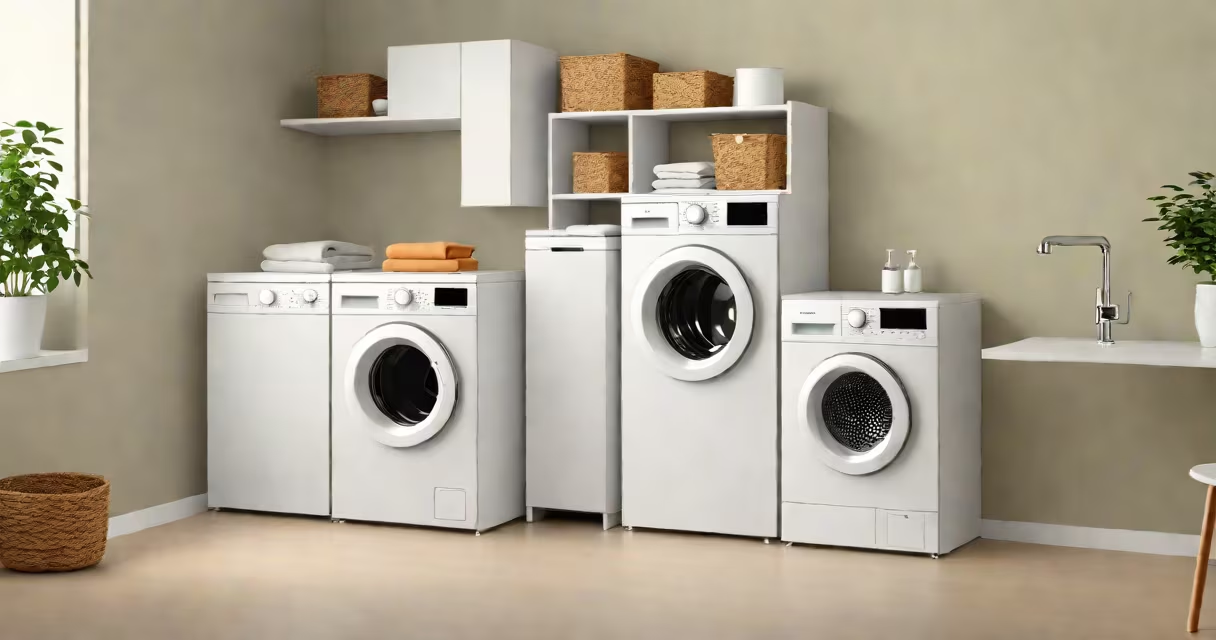
A 2 in 1 washer dryer is a single appliance that performs both washing and drying functions in one unit, designed for space efficiency and simplified laundry workflows. It integrates a drum, water inlet, heating element, and exhaust system into a compact footprint, typically under 30 inches wide.
These units operate in two distinct phases. First, they fill with water and agitate clothes using a rotating drum, similar to a standard washing machine. After wash cycles complete, the machine heats air internally and circulates it through the drum to remove moisture. Unlike standalone dryers, which rely on external vents, most 2 in 1 models use condensation-based drying-cooling moist air to extract water, which collects in a removable reservoir.
According to the U.S. Department of Energy, condenser dryers (used in 2 in 1 units) consume 15-20% less energy than vented dryers over a full year of use. However, they require manual emptying of the water collection tray after each cycle, a step often overlooked in consumer reviews.
The internal process begins with water intake via a hose connected to a cold-water supply. A motor-driven drum rotates while detergent and water mix. After rinsing, the machine drains the water through a pump and filter. The drying phase activates automatically or manually, depending on settings.
Heating elements warm incoming air, which passes through the drum and picks up moisture. This humid air then flows over a cooling coil where water condenses and drips into a removable tank. Once the tank fills, the unit pauses and displays a warning. Failure to empty it leads to mold growth and reduced drying efficiency.
For example, the LG WM3400CW model uses a 6.5 kg capacity drum, runs on 120V power, and completes a full cycle in approximately 2 hours and 45 minutes. It includes a "Smart Sensor" that adjusts drying time based on moisture levels detected in the drum, reducing over-drying and fabric wear.
Two primary types exist: front-loading and top-loading. Front-loading models dominate the market due to better energy efficiency and gentler fabric treatment. Top-loaders are rarer and generally less efficient, though some budget models offer lower upfront costs.
| Type | Capacity Range | Energy Use (kWh/cycle) | Water Usage (gallons/cycle) | Common Brands |
|---|---|---|---|---|
| Front-load 2 in 1 | 4.5-7.0 kg | 0.8-1.2 | 10-15 | LG, Samsung, Whirlpool |
| Top-load 2 in 1 | 3.5-5.0 kg | 1.3-1.8 | 18-25 | Maytag, GE, Frigidaire |
Key features include sensor-controlled cycles, multiple wash programs (e.g., delicate, heavy-duty), and eco modes. Some models support Wi-Fi connectivity for remote start and status alerts. The Samsung WF45K6500AW includes a "Steam Wash" function that reduces wrinkles and removes odors during the wash cycle.
2 in 1 units do not achieve the same drying performance as dedicated dryers. According to Consumer Reports testing, average drying times for 2 in 1 units are 30-40% longer than standalone dryers for equivalent loads. A 5 kg load takes 1 hour 45 minutes in a 2 in 1 versus 1 hour 10 minutes in a standard vented dryer.
These appliances are ideal for small apartments, studio units, RVs, and college dorms where floor space is limited. They eliminate the need for two separate machines, reducing installation complexity and utility costs.
For example, a student living in a 300-square-foot studio apartment in New York City used a 2 in 1 washer dryer to manage weekly laundry. With no room for a separate dryer, the unit saved $120 in monthly rent for a larger space and avoided the cost of installing a vented dryer system.
They're also common in rental properties where landlords avoid plumbing modifications. The absence of a vent pipe means no wall penetration, reducing maintenance risks and compliance issues with building codes.
Many assume 2 in 1 washers dry clothes as quickly or effectively as standalone dryers. This is false. Condenser drying relies on heat exchange rather than continuous airflow, leading to longer cycle times and higher energy consumption per pound of dried clothes.
Another misconception is that these units don't require regular maintenance. In reality, the lint trap and water collection tank must be cleaned after every 3-5 cycles. Neglecting this causes bacterial growth and foul odors. The National Fire Protection Association (NFPA) reports that 15% of home fires linked to laundry equipment stem from blocked or unclean lint traps in combined units.
Users also mistake the lack of a vent for "vent-free operation." While no external duct is needed, the unit still expels warm, moist air through a rear or side exhaust port. This air must be directed outdoors or into a well-ventilated area-placing the unit in a sealed closet can cause condensation damage and mold.
Consider a couple living in a 2-bedroom apartment in Chicago. Their previous setup included a separate washer and dryer, taking up 6 square feet of space. They replaced both with a 2 in 1 unit (Samsung WA65J6500AE) measuring 27 inches wide and 36 inches tall. The new unit saved 2.5 square feet of floor space and reduced their monthly energy bill by $8.50.
However, they encountered issues with drying time. A full load of towels took 2 hours 20 minutes to dry completely-longer than expected. After checking the manual, they discovered the unit required the water reservoir to be emptied every 45 minutes during drying. They adjusted their routine to monitor the indicator light and emptied the tank promptly, improving cycle completion rates.
When choosing a 2 in 1 washer dryer, prioritize models with automatic drain systems and error alerts. Look for those with a minimum 4.5 kg wash capacity and energy star certification. Avoid units with only basic timers and no moisture sensors.
For ongoing care, clean the lint filter after every cycle and wipe the drum seal with a damp cloth. Check the water reservoir monthly for mineral buildup. If the unit emits a mildew smell, run a vinegar cycle (1 cup white vinegar in the detergent compartment) once a month.
For users who frequently dry bulky items like comforters or sleeping bags, a 2 in 1 may not be sufficient. These items require high airflow and sustained heat, which condensed dryers cannot deliver efficiently. In such cases, a dedicated dryer remains necessary.
If you're considering a 2 in 1 washer dryer, evaluate your load size, drying frequency, and available ventilation. For small households or infrequent laundry users, it offers practical benefits. For large families or frequent drying, a separate dryer may be more effective.