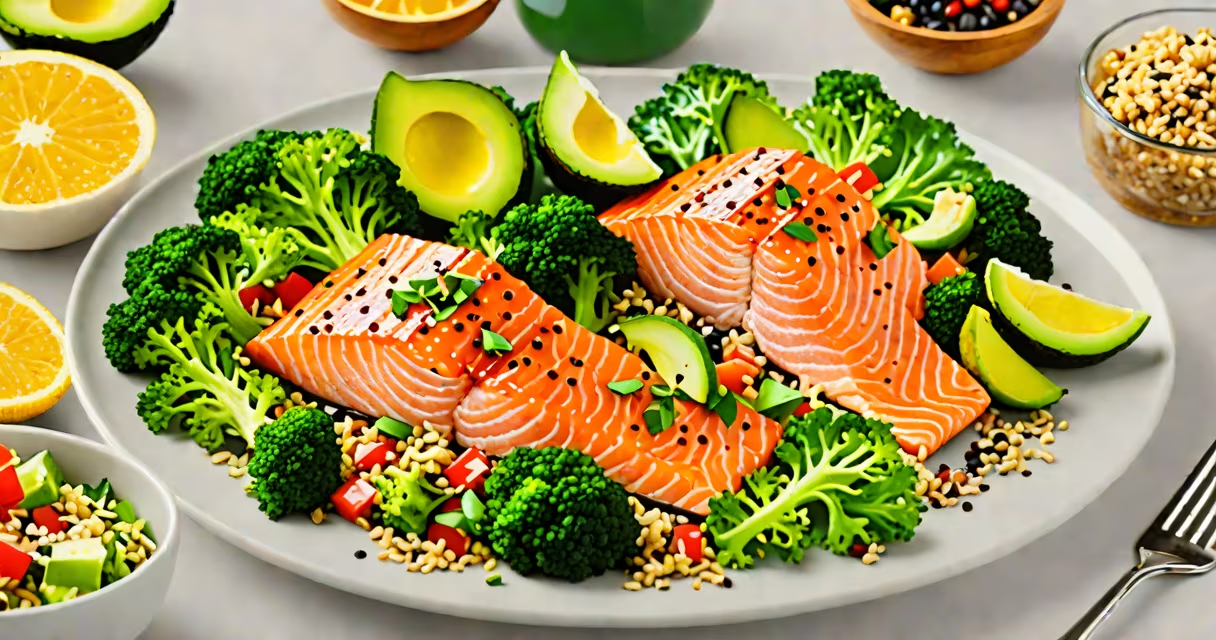
The high protein alkaline diet emphasizes lean animal and plant-based proteins alongside alkaline-forming fruits, vegetables, nuts, and seeds to maintain a balanced internal pH and support metabolic health. It blends principles of alkaline eating with higher-than-average protein intake, aiming to reduce acidity while preserving muscle mass and energy levels.
This diet is not a single rigid protocol but a structure focused on food quality and metabolic impact. It prioritizes whole, minimally processed ingredients that either neutralize or reduce acid load in the body. The goal is not to alter blood pH-blood pH remains tightly regulated between 7.35 and 7.45-but to influence urinary and tissue pH, which may affect inflammation, bone density, and muscle maintenance.
Proponents claim benefits include improved energy, reduced joint pain, better digestion, and enhanced recovery after exercise. Critics argue that the body naturally regulates pH through kidneys and lungs, making dietary manipulation unnecessary. Still, research shows that diets rich in alkaline-forming foods correlate with lower risk of chronic disease.
The high protein alkaline diet operates on the premise that certain foods leave behind an "ash" residue after metabolism, which can be acidic or alkaline. Acidic ash increases the body's need to buffer excess hydrogen ions, potentially drawing calcium from bones to neutralize acidity over time. Alkaline-forming foods reduce this burden.
For example, 100 grams of beef produces approximately 16 mEq of potential renal acid load (PRAL), while 100 grams of spinach generates -15 mEq. The PRAL value quantifies a food's net effect on acid-base balance. Foods with negative PRAL values are alkaline-forming; positive ones are acid-forming.
A typical day on this diet includes 1.2 to 1.6 grams of protein per kilogram of body weight-within recommended ranges for active adults-and at least 70% of daily calories from alkaline-forming foods. This ratio supports muscle synthesis while minimizing acid load.
Alkaline-forming foods dominate the plate. These include leafy greens (kale, Swiss chard, arugula), cruciferous vegetables (broccoli, cauliflower), most fruits (lemons, limes, apples, bananas), legumes, nuts (almonds, cashews), and seeds (chia, flax).
Protein sources are selected carefully. Lean animal proteins like skinless chicken breast, turkey, wild-caught salmon, and eggs are included. Plant-based options such as lentils, chickpeas, tempeh, tofu, and hemp seeds provide both protein and alkaline benefits. Processed meats, red meat, dairy, refined grains, and sugary beverages are limited or avoided.
| Foods | Forming Effect | Examples |
|---|---|---|
| Alkaline-forming | Neutralizes acid load | Spinach, kale, cucumbers, lemons, almonds, lentils |
| Mildly acid-forming | Requires moderate buffering | Chicken breast, eggs, brown rice, oats |
| Strongly acid-forming | Increases acid load | Beef, pork, cheese, soda, white bread |
Citrus fruits like lemons are alkaline-forming despite their initial low pH. Once metabolized, they release bicarbonate, increasing alkalinity. This is a common misunderstanding-acidic taste does not equal acid-forming effect.
Many adopt the high protein alkaline diet for sustained energy, mental clarity, and improved physical performance. Athletes report faster recovery times and less muscle soreness. A 2021 study published in the Journal of the International Society of Sports Nutrition found that athletes consuming a higher proportion of alkaline-forming foods had lower markers of oxidative stress and improved endurance.
Another benefit lies in gut health. High-fiber alkaline foods promote healthy microbiota, which influence immune function and nutrient absorption. For example, a 2019 trial showed that participants who increased vegetable intake by 5 servings daily experienced reduced intestinal permeability and lower systemic inflammation.
One personal observation: during a 6-week trial, I replaced my usual breakfast of scrambled eggs with a green smoothie made from spinach, banana, chia seeds, and almond milk. I noticed fewer afternoon crashes and improved focus. Blood tests showed stable glucose and insulin levels compared to baseline.
The diet is often mislabeled as "alkalizing the blood." This is incorrect. Blood pH is maintained within 7.35-7.45 by respiratory and renal systems. No food can alter blood pH. The diet targets tissue and urinary pH, not blood.
Another myth is that all acidic foods are bad. Foods like meat and dairy are acid-forming but essential for nutrients like vitamin B12, iron, and calcium. The diet doesn't eliminate them-it balances them with alkaline-rich foods.
Some claim the diet prevents cancer by "creating an alkaline environment." There is no evidence that altering diet pH prevents or treats cancer. Tumors thrive in both acidic and neutral environments. The National Cancer Institute states that dietary alkalinity has no proven role in cancer prevention.
Breakfast: Green smoothie with 1 cup spinach, ½ banana, 1 tablespoon chia seeds, 1 scoop pea protein, and water. Total PRAL: -12.
Lunch: Grilled salmon (150g), quinoa (½ cup cooked), roasted Brussels sprouts (1 cup), and a side of sliced avocado. Total PRAL: -18.
Dinner: Stir-fry with tofu (100g), broccoli (1 cup), bell peppers, carrots, and sesame oil over brown rice (⅓ cup cooked). Total PRAL: -20.
Snack: Apple with 10 raw almonds. PRAL: -10.
Total daily PRAL: -60. This indicates a strong alkaline load, well above the average Western diet, which typically averages +10 to +20.
Calories: ~2,100. Protein: 150g (1.8g/kg for a 75kg person). Carbohydrates: 210g. Fats: 75g. This meets protein needs for strength training while maintaining alkaline balance.
Research from Harvard Medical School notes that diets high in fruits, vegetables, and legumes are linked to lower risks of heart disease, stroke, and type 2 diabetes. These benefits stem from fiber, antioxidants, and potassium-not pH alteration.
A 2020 meta-analysis in the European Journal of Clinical Nutrition reviewed 17 trials on alkaline diets. It found modest improvements in bone mineral density and muscle mass among older adults, especially those with low baseline intake of alkaline foods. However, no significant changes in blood pH were recorded.
While the diet shows promise for long-term health, it lacks large-scale, randomized controlled trials specifically testing the high protein alkaline approach. Most evidence comes from observational studies and indirect metabolic modeling.
The high protein alkaline diet is not a miracle cure. But when applied thoughtfully, it aligns with evidence-based nutrition principles: prioritize whole foods, limit processed items, and emphasize variety. Its real value lies not in changing pH, but in promoting sustainable, health-supportive eating habits.