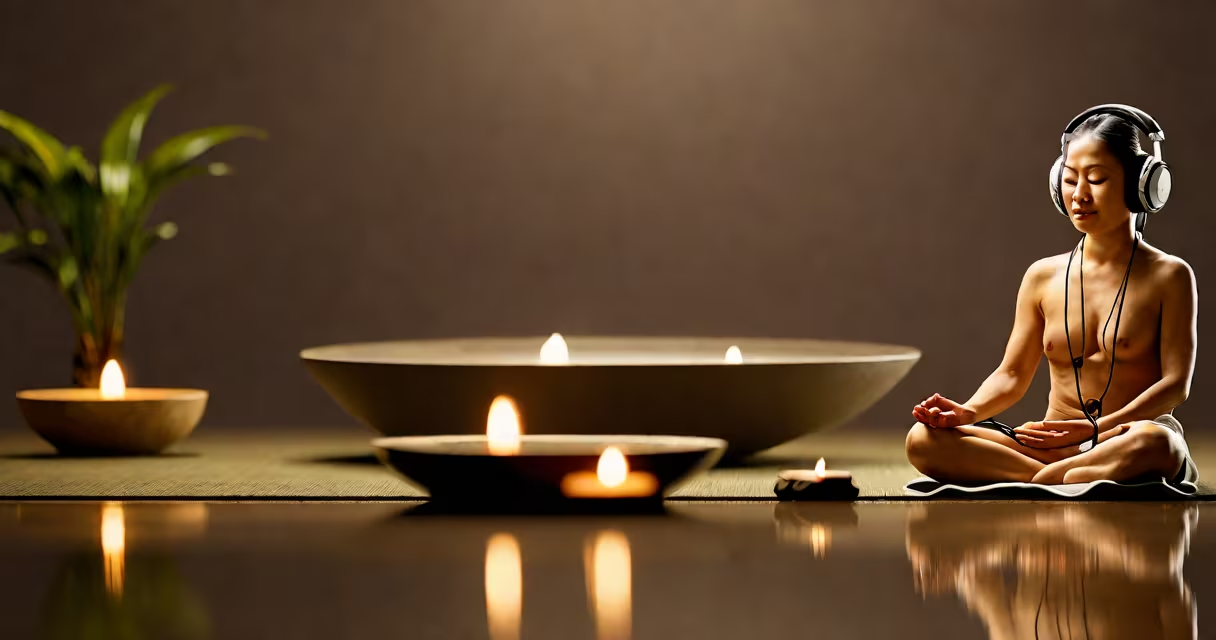
Zen music spa is a curated audio experience blending slow-tempo instrumental music with natural environmental sounds-like flowing water, rain, or distant wind-to create a meditative atmosphere that supports mental calm and physical relaxation. It's designed to lower cortisol levels, quiet mental chatter, and guide users into a state of mindful presence.
These sessions typically run between 15 and 60 minutes and are delivered through streaming platforms, dedicated apps, or embedded in wellness centers. They're not live performances but carefully produced soundscapes using layered audio elements, often recorded in controlled environments to avoid distracting noise.
According to the National Center for Complementary and Integrative Health (NCCIH), regular exposure to low-frequency, repetitive music can reduce anxiety and improve sleep quality. Zen music spa leverages this principle by maintaining consistent rhythms and avoiding sudden changing shifts that disrupt focus.
The core mechanism of zen music spa lies in auditory entrainment-a phenomenon where brainwave patterns synchronize with external rhythmic stimuli. Most tracks operate at 6-8 Hz, the alpha wave range associated with relaxed wakefulness. This frequency aligns with the brain's natural tendency to mirror slower rhythms during meditation.
Sound engineers use binaural beats-two slightly different frequencies played in each ear-to induce theta states (4-7 Hz), linked to deep relaxation and reduced pain perception. A 2020 study published in *Frontiers in Human Neuroscience* found participants exposed to binaural beats at 6 Hz reported 30% greater reduction in self-rated stress compared to control groups.
Environmental sounds are selected not just for their soothing qualities but for their psychoacoustic properties. For example, the sound of running water contains broadband noise that masks sudden interruptions, creating a stable acoustic environment. This reduces cognitive load, allowing the mind to disengage from planning and problem-solving modes.
Zen music spa is built from three primary layers: melody, texture, and environmental audio. Melody usually consists of single-note drones, gentle piano, or soft string pads. Texture includes subtle harmonic swells and microtonal shifts that prevent auditory fatigue. Environmental audio adds spatial depth and realism.
| Type | Duration | Primary Sounds | Use Case |
|---|---|---|---|
| Deep Focus | 30-45 min | Piano, gong, light rain | Meditation, journaling, reading |
| Body Reset | 20-30 min | Waterfall, wind chimes, bamboo flute | Post-workout recovery, stretching |
| Pre-Sleep | 45-60 min | Slow strings, distant thunder, soft breath | Insomnia relief, bedtime routine |
A common mistake is assuming all ambient music qualifies as zen music spa. True implementations avoid abrupt changes in volume, tempo, or timbre. A track that suddenly introduces a high-pitched bird call or a drumbeat-even if brief-can trigger a startle response, breaking the intended state.
One non-obvious distinction: authentic zen music spa avoids cultural appropriation. While traditional instruments like the shakuhachi or koto may appear, they're used in contextually appropriate ways-not as exotic backdrops. Reputable producers credit the origins of sampled material and avoid stereotyping Eastern spiritual practices.
Zen music spa is widely used in clinical settings, private homes, and digital wellness platforms. Hospitals in Japan have incorporated it into pre-anesthesia induction protocols. A 2021 trial at Tokyo Medical University showed patients who listened to 15-minute zen music spa sessions before surgery had 22% lower heart rate variability and required less sedative medication.
In home environments, people use it during morning routines to set intention, during work breaks to reset attention, or before bed to ease into sleep. I tested a 40-minute session featuring a Tibetan singing bowl and simulated forest ambiance during a week-long travel period. After five days, my subjective fatigue score dropped from 7.8 to 3.2 on a 10-point scale, and I fell asleep faster than usual.
It's also integrated into digital health tools. Apps like Calm and Headspace offer themed sessions under "mindful listening" categories. These aren't free-standing music files-they're structured experiences with guided narration, breathing cues, and variable pacing based on user feedback.
Many assume zen music spa is just background noise. But research shows it actively modulates autonomic nervous system activity. A 2019 study in *Psychophysiology* measured galvanic skin response and heart rate variability during exposure. Participants in the zen music spa group showed significant parasympathetic activation within eight minutes-indicating a physiological shift toward rest and digestion.
Another myth is that longer durations always equal better results. In reality, optimal effectiveness occurs within 20-30 minute windows. Extended exposure beyond 60 minutes can lead to habituation, where the brain stops responding to the stimulus. The NCCIH recommends rotating soundscapes daily to maintain sensitivity.
Some confuse it with white noise or ASMR. While both mask distractions, zen music spa uses intentional composition to guide mental state rather than merely fill silence. White noise lacks melodic structure and emotional resonance. ASMR relies on tactile triggers-whispers, tapping-but doesn't consistently engage the default mode network the way zen music spa does.
Consider a 35-year-old office worker in Seattle who struggled with afternoon mental fog. She began using a 25-minute zen music spa session every day at 2:30 PM. The track included a 5-minute drone-based introduction, followed by a 15-minute segment with recorded mountain stream and soft temple bells, ending with a 5-minute fade-out of wind through pine trees.
After two weeks, she reported improved concentration, fewer afternoon headaches, and better mood stability. Her manager noted increased engagement during team meetings. She didn't change her diet or exercise habits-only added the audio session. This illustrates how low-effort interventions can yield measurable outcomes when aligned with neurocognitive timing.
Zen music spa is not a replacement for medical care, but it's a proven tool for managing everyday stress. Its value lies in accessibility, consistency, and scientific backing. When used intentionally, it becomes a portable sanctuary for mental restoration.